12 Key Questions Before Buying a Veneer Dryer
Achieving consistent bonding, low waste and predictable operating cost starts long before the veneer dryer reaches your mill. It starts with the questions you ask every China veneer dryer manufacturer at the RFI stage. When you focus on moisture control, thermal efficiency, real throughput and after‑sales support, you dramatically reduce start‑up risk and hidden OPEX.
This practical guide turns that idea into a 12‑question checklist you can send directly to Shine or any other China veneer dryer supplier. Each question includes what to ask, why it matters, what evidence to request and what red flags to avoid, so your team can compare veneer dryer offers on hard data instead of marketing claims.
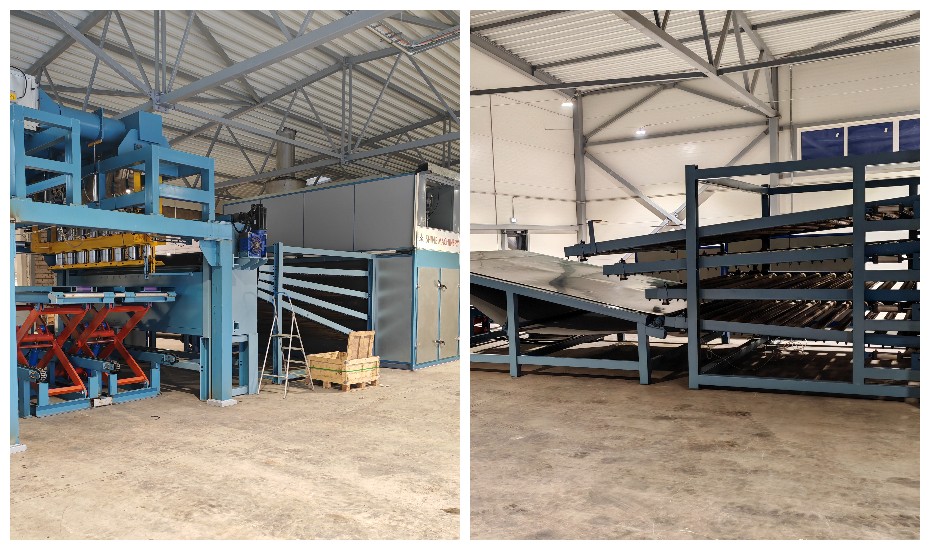
1. Technical Specifications and Model Fit
What to ask
“Please provide detailed datasheets for the proposed veneer dryer: working width, number of decks, total drying length, veneer thickness range, design speed range, and recommended species.”
Why it matters
These core technical parameters determine if the veneer dryer physically fits your line and matches your veneer types. Width, decks and length define capacity potential; thickness range and species suitability define flexibility for your current and future product mix.
Evidence to request
Official datasheet with clear model number.
Layout drawing showing infeed, outfeed and overall footprint.
Recommended thickness and species ranges for each model.
Red flags
Vague answers such as “standard size” or “industry standard design”.
No drawing or only a generic brochure that does not match your requested working width.
2. Real Drying Capacity, Not Just Nameplate
What to ask
“State the drying capacity in m³/h and kg/h for our target veneer thickness and inlet moisture. Please also convert this into an example daily output (m³ per 8‑ or 24‑hour shift) at our planned feed speed.”
Why it matters
Nameplate capacity on a veneer dryer often assumes thin sheets and perfect conditions. Real throughput depends on species, inlet moisture, target outlet moisture, and line speed. Converting data to daily m³ at your conditions avoids bottlenecks and unrealistic expectations.
Evidence to request
Throughput curves that show capacity versus veneer thickness and speed.
Sample production report from a similar installation (species, thickness, inlet M%).
Red flags
Capacity only described as “high output” or “large capacity” with no numbers.
No reference to moisture content or veneer thickness in the capacity statement.
3. Heating Method, Fuel Flexibility and Thermal Efficiency
What to ask
“Describe the heating method and available heat sources (thermal‑oil, hot air, biomass burner, steam). Provide heat‑transfer data, operating temperature ranges, and typical fuel options for this veneer dryer model.”
Why it matters
Heating defines your long‑term OPEX and veneer surface quality. Thermal‑oil roller dryers, like those supplied by Shine Machinery, offer stable temperature control and uniform heat transfer, which help protect veneer from over‑drying and cracking. For many mills, flexible fuel options (biomass burner, gas, or oil) are critical for cost and availability.
Evidence to request
Energy curves in kWh or MJ per m³ (or kg) of dried veneer, with stated inlet and outlet moisture.
Heat exchanger and burner specifications, including thermal efficiency.
Details of any biomass burner or thermal‑oil system design.
4. Finished Moisture Target and Uniformity Guarantees
What to ask
“What finished veneer moisture range can you guarantee (e.g. 6–12%)? How do you control and document moisture uniformity across sheet width, length and different decks?”
Why it matters
Dry veneer is the heart of stable plywood. Bond strength, core gaps, surface quality and panel flatness all depend on tight moisture control. Poor uniformity across the sheet leads to waves, blistering, edge cracking and rework. A serious China veneer dryer supplier should talk openly about moisture windows, not just temperature.
Evidence to request
Factory Acceptance Test (FAT) moisture maps from similar projects.
Moisture analyzer logs showing distribution, not only averages.
Typical target ranges by species and thickness.
.jpeg)
5. Moisture Measurement, Sensors and Automation
What to ask
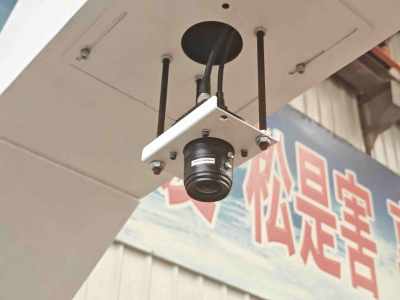
“What type of moisture measurement and sensors are supplied with the veneer dryer (contact brush, NIR, infrared, sampling oven checks)? How are these integrated into automatic control of temperature and speed?”
Why it matters
Inline moisture measurement prevents over‑drying, protects yield and keeps veneer in the right range for bonding. Good systems combine inline sensors with regular oven tests, feeding data into automatic recipe control. This is especially important when drying demanding species like eucalyptus or when running mixed veneer thickness.
Evidence to request
Sensor specifications (measuring range, accuracy, location in the dryer).
Screenshots or videos showing how moisture data appears in the HMI.
Examples of closed‑loop control where speed or temperature adjusts based on measured moisture.
6. Energy Consumption, OPEX and Fuel Options
What to ask
“Provide energy consumption in kWh or MJ per m³ (or kg) of dried veneer, clearly stating inlet and outlet moisture, veneer thickness and species. Include a sample OPEX calculation based on common fuel types.”
Why it matters
Over the life of a veneer dryer, fuel cost usually exceeds the purchase price many times. Comparing kWh/m³ at equal conditions is the only way to see which design truly saves energy. This is also where a thermal‑oil veneer dryer with a high‑efficiency biomass burner can give a clear cost advantage.
Evidence to request
Measured energy curves from existing installations.
Burner and biomass fuel specifications (moisture tolerance, efficiency, emissions).
Example monthly or yearly fuel cost at a reference plant.
7. Installation Footprint, Foundations and Utilities
What to ask
“Provide a site plan with dryer footprint, working height, access platforms and maintenance space. List all required utilities (power, steam or thermal‑oil, compressed air, exhaust) and foundation requirements. Clarify what is included in your commissioning scope.”
Why it matters
Hidden civil works and utility upgrades can easily break a veneer dryer budget. Knowing the exact footprint and foundation loads helps your engineering team plan the building, material flow and safety access. Clear commissioning scope avoids disputes over who provides cranes, piping or insulation.
Evidence to request
Foundation and anchor drawings with loads.
Utility schedule with connection points and consumption.
A step‑by‑step installation and commissioning plan.
Red flags
No clear statement of who is responsible for on‑site piping, electrical work or insulation.
Layout drawings that do not match the proposed model or capacity.
8. Controls, HMI and Recipe Management
What to ask
“Show how the veneer dryer is operated: HMI screenshots, control philosophy, recipe library, alarm system and remote support options. Explain how operators change recipes for different thicknesses, species and target moisture levels.”
Why it matters
A modern veneer dryer should not depend on one “super operator” turning manual knobs. Robust controls and recipe management ensure consistent quality across shifts and new staff. For many mills, remote support reduces downtime and speeds up troubleshooting.
Evidence to request
HMI screenshots covering start/stop, recipe selection, trends and alarms.
Overview of PLC and remote access options (VPN, cloud monitoring, etc.).
Examples of standard recipes for typical veneer products.
Red flags
Expectation that operators manually adjust temperature and speed all day based on “experience”.
No remote support or data logging capabilities offered.
9. Spare Parts, Consumables and Lead Times
What to ask
“Provide a list of critical spare parts and consumables for the veneer dryer, including part numbers, recommended stock levels and typical local lead times for our region.”
Why it matters
Even the best veneer dryer will eventually need chains, bearings, rollers, seals or sensors replaced. Clear part numbers and realistic lead times allow you to build a sensible stock and avoid extended downtime. For a China veneer dryer supplier exporting globally, local support or bonded stocks are a real advantage.
Evidence to request
Critical spares list for the first 12–24 months.
Suggested stocking policy by running hours.
Description of any local partner or warehouse that can support your plant.
Red flags
Generic spare parts descriptions with no part numbers.
Vague promises like “we can always send parts quickly” without logistics details.
10. After‑Sales Support, Warranty and Service Levels
What to ask
“Define the warranty terms, service response times and the full scope of commissioning and training. Clarify how FAT, site acceptance and a 30‑day conditional acceptance period are handled.”
Why it matters
A veneer dryer is not “finished” when it leaves the factory. Real performance only becomes visible after installation, tuning and operator training. Strong after‑sales support and clear SLAs protect your investment, reduce ramp‑up time and give your team confidence to run the dryer at design capacity.
Evidence to request
Written warranty conditions with clear start date (ideally from commissioning).
Sample SLA document outlining response times and escalation.
Commissioning and training plan, including number of days on site.
Red flags
Warranty starting from shipment date instead of commissioning.
No structured training program for operators and maintenance staff.
11. References, FAT Evidence and Comparable Species
What to ask
“Share reference projects that match our situation: similar species (for example eucalyptus), thickness, capacity and fuel. Provide FAT reports, moisture maps and on‑site photos. Where possible, allow us to contact reference mills.”
Why it matters
Nothing beats seeing a veneer dryer running successfully on similar wood. Eucalyptus, poplar, pine and mixed hardwoods each behave differently in the dryer. References from a China top veneer dryer factory carrying real production data are more valuable than any brochure.
Evidence to request
Contact details for reference mills willing to share experience.
FAT reports including moisture distribution, energy use and speed.
Photos or videos of full lines, not just show‑room machines.
12. Price Structure, Payment Terms and Delivery Schedule
What to ask
“Provide an itemized price breakdown for the veneer dryer line, including optional extras (automatic feeder, biomass burner, moisture analyzer, heat recovery). Specify trade terms (EXW, FCA, FOB, CIF), standard payment terms, manufacturing lead time and on‑site commissioning schedule.”
About Shine Machinery and How to Contact Us
Shine Machinery is a specialized China veneer dryer manufacturer focused on thermal‑oil roller veneer dryers, automatic veneer feeders and high‑efficiency biomass burners. Our installations in China and overseas run a wide range of species, including eucalyptus, poplar and mixed hardwoods, with a strong focus on stable moisture control and low energy consumption.
If you are planning a new veneer dryer project or an upgrade to an existing line, you can discuss your RFI checklist, capacity targets and fuel options directly with our technical team:
Email: info@sdshinemachinery.com
Tel / WhatsApp: +86 15806625431
Our engineers can help you interpret vendor answers, validate capacity claims and align the veneer dryer design with your plywood plant layout and product roadmap.