How Plywood is Made?
Inside a Modern Plywood Plant
The plywood industry, a cornerstone of the global construction and furniture sectors, is undergoing a quiet revolution driven by automation and precision engineering. For those outside the manufacturing sector, the process of transforming raw logs into sturdy, versatile panels remains largely opaque. This article pulls back the curtain on the sophisticated plywood production line, detailing the critical roles of machinery like the veneer drying machine, plywood cold press, and plywood hot press in ensuring quality and efficiency.
The Starting Point: From Log to Veneer
The journey of a plywood sheet begins long before it reaches the pressing stage. In a typical plywood making machine setup, logs are first debarked and cut into manageable lengths. They are then softened in hot water baths, a crucial step that prepares the wood for the rotary lathe.
Here, the logs are peeled or sliced into thin layers known as veneers. This initial processing is highly dependent on the quality of the plywood production line equipment. A high-precision lathe ensures uniform thickness, which is paramount for the structural integrity of the final product. The resulting green veneers, however, are pliable and saturated with moisture, making them unsuitable for immediate bonding.
The Critical Drying Phase
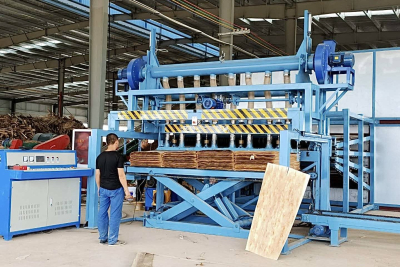
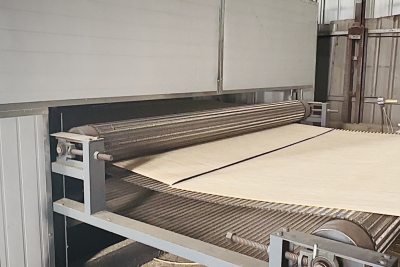
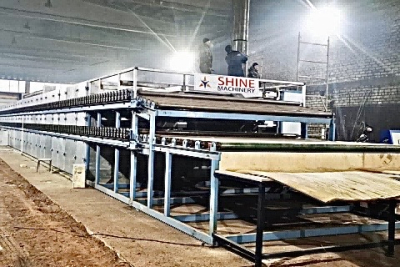
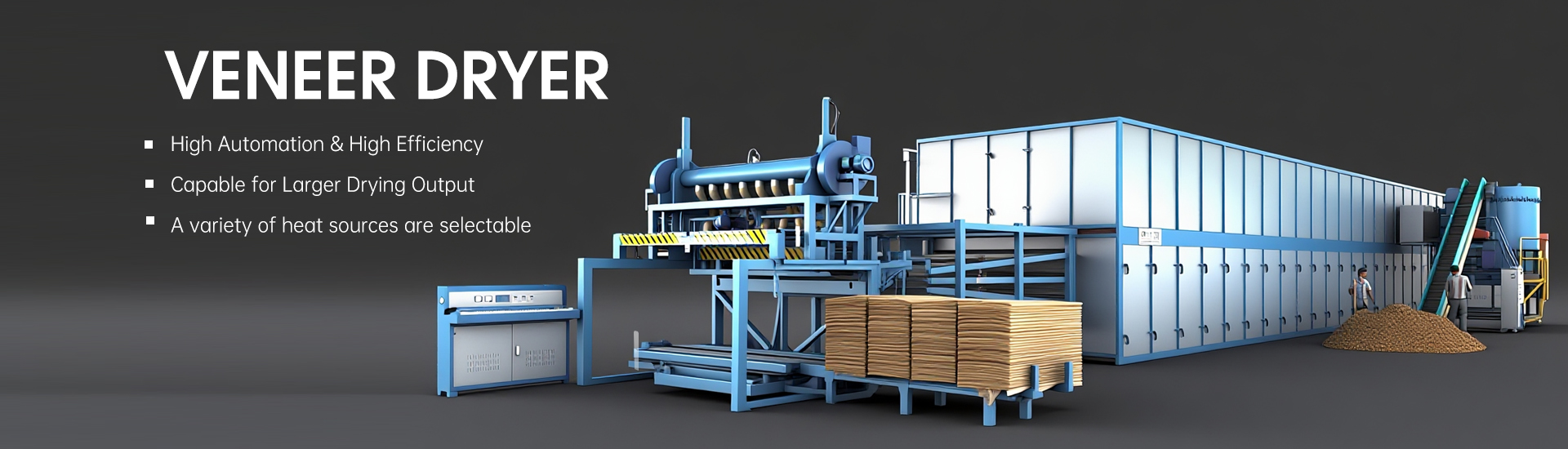
Freshly peeled veneers possess a moisture content that can exceed 100% in some species. This is where the veneer drying machine, often called a plywood dryer, becomes indispensable. These massive, conveyor-based dryers operate at temperatures between 160°C and 180°C, systematically reducing moisture levels to an optimal 8-12%.
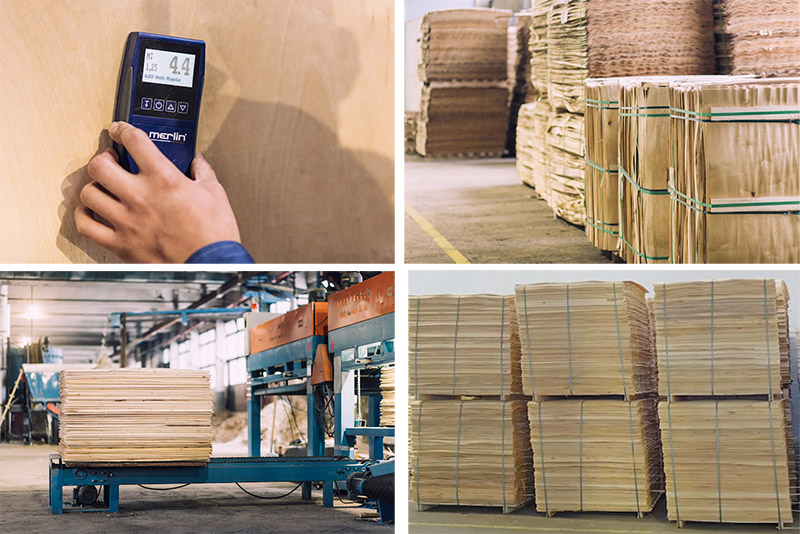
The function of the plywood dryer is twofold: it stabilizes the wood to prevent warping and prepares the veneer fibers to properly absorb adhesive. In modern plants, automated veneer drying machines are integrated with moisture detection systems that sort veneers in real-time, routing defective pieces for patching and repair before they proceed down the plywood production line.
Gluing and Assembly: The Prelude to Pressing
Once dried and graded, the veneers enter the gluing station. Adhesives—ranging from urea-formaldehyde for interior grades to phenolic resins for marine-grade panels—are applied via automated spreaders. The layers are then assembled in a cross-grain pattern (with adjacent veneer grains perpendicular to each other) to create the characteristic strength and dimensional stability of plywood.
This assembled "pack" is known as a mat. Before this mat can be permanently bonded, it must undergo an often-overlooked but vital step: pre-pressing.
The Role of the Cold Press
The plywood cold press serves as the gatekeeper before the final bonding. Its primary function is to lightly compact the layered veneers, squeezing out air pockets and creating a semi-rigid mat that is easier to handle. This pre-pressing prevents the layers from shifting when they are loaded into the plywood hot press.
Furthermore, the plywood cold press allows for initial adhesive penetration and gives operators a window to perform surface inspections and minor repairs. By ensuring the mat is perfectly flat and intact, the cold press optimizes the efficiency of the subsequent hot-pressing stage, reducing energy waste and improving the yield of the entire plywood making machine system.
The Heart of the Operation: Hot Pressing
If one machine defines the plywood production line, it is the plywood hot press. This colossal piece of equipment, typically a multi-opening hydraulic press, is where the magic of transformation occurs. The mat enters the press, and under intense heat (105°C–150°C) and extreme pressure, the thermosetting adhesive cures in a matter of minutes.
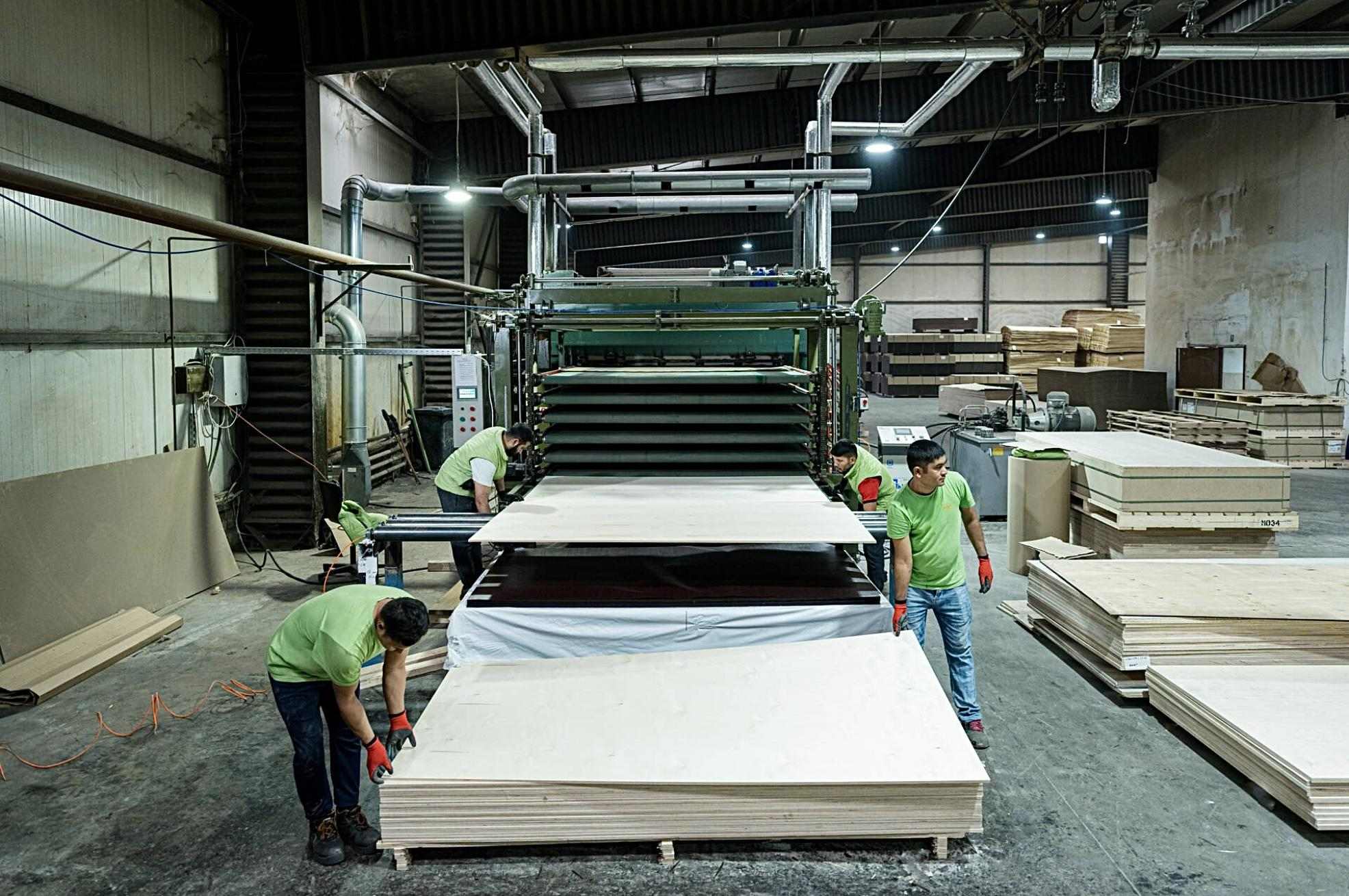
The plywood hot press does more than just glue the layers together; it sets the final thickness, density, and surface texture of the panel. Modern plywood hot press units are computer-controlled, with programmable logic controllers (PLCs) managing the pressure and temperature curves for different panel specifications. This stage is irreversible—any flaw introduced here, such as under-curing or over-pressing, results in a defective panel.
Finishing and the Future
After exiting the plywood hot press, the panels are cooled, trimmed to exact dimensions, and sanded to a smooth finish. Automated grading systems then scan the surfaces for imperfections before the plywood is packaged for shipment.
The evolution of the plywood production line continues to focus on integration. The latest trends involve linking the veneer drying machine data directly with the plywood hot press parameters, creating a closed-loop system that self-adjusts based on real-time moisture readings. This level of precision, powered by advancements in each plywood making machine component, is what allows manufacturers to meet the growing global demand for high-performance, sustainable wood panels. From the initial peel to the final press, understanding this intricate dance of machinery reveals why plywood remains a marvel of engineered wood technology.