How is plywood made from veneers?
In an era increasingly focused on sustainable and engineered materials, plywood remains a cornerstone of global construction and furniture manufacturing. Its journey from raw log to versatile sheet is a symphony of precision engineering and controlled chemistry, heavily reliant on advanced plywood machinery. This deep dive explores the sophisticated process behind this ubiquitous material.
The modern plywood production line is a marvel of industrial efficiency, transforming forest resources into a product stronger than the sum of its parts. The principle is ancient—layering wood veneers with crossed grains—but the execution is thoroughly modern, driven by automation and technological innovation.
Stage 1: Peeling the Veneer
The process begins with log preparation. Debarked logs, softened in steam or water baths, are mounted onto a lathe. Here, a critical piece of plywood making machine technology goes to work. Like unrolling a giant paper towel, the lathe rotates the log against a razor-sharp blade, peeling off a continuous sheet of veneer. This "green" veneer, often just millimeters thick, is fragile and saturated with moisture. The skill of the lathe operator and the machine’s calibration determine both yield and quality, setting the stage for all subsequent steps.
Stage 2: Drying for Stability
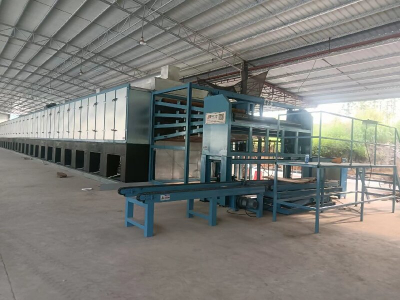
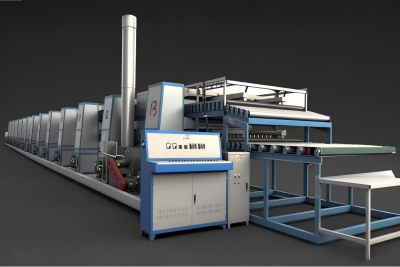
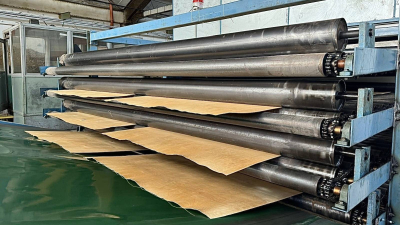
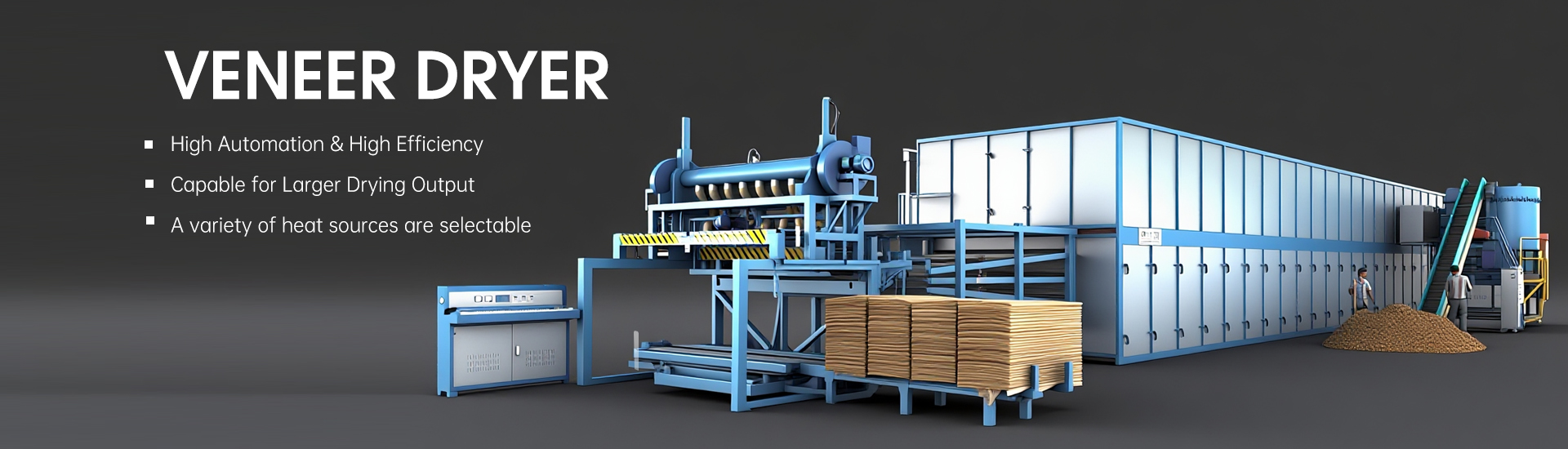
The saturated green veneer is unusable for bonding. This is where the veneer dryer becomes indispensable. Typically a long, conveyor-fed oven, the dryer subjects the veneer to a stream of hot air, carefully and uniformly reducing its moisture content to a precise 6-10%. This step is crucial; uneven or excessive drying causes warping or cracking, while insufficient drying will lead to bonding failures later. Modern veneer dryers are models of efficiency, often recycling heat within the plant to minimize energy waste.
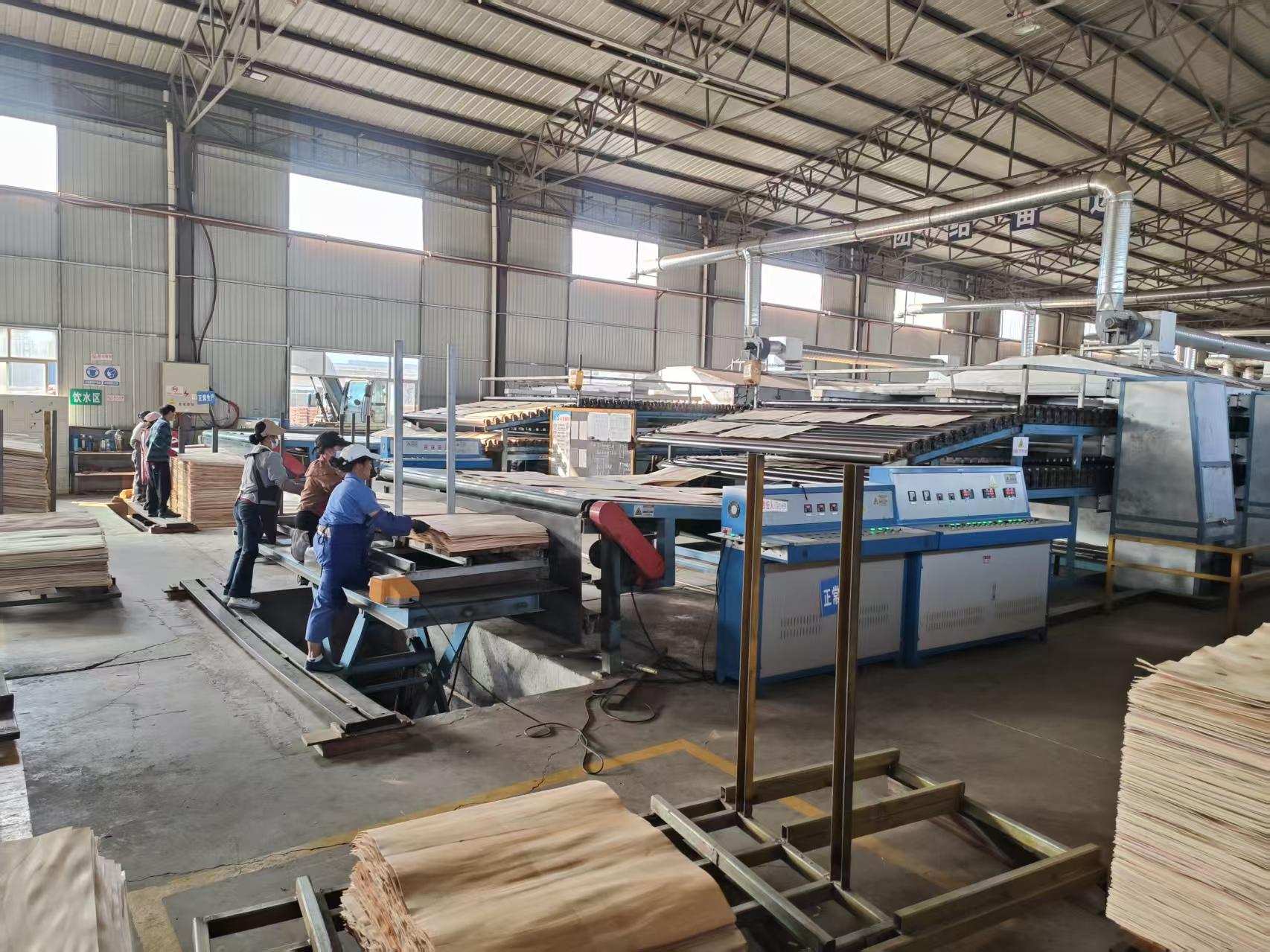
Stage 3: Composition and Layup
Dried veneers are then graded, sorted, and trimmed. Defects are clipped out, and sheets are spliced edge-to-edge to form full-size layers. The art of plywood construction lies in the layup. An odd number of veneer piles are assembled with their wood grains perpendicular to adjacent layers. This cross-graining neutralizes wood’s natural tendency to expand with humidity along the grain, granting plywood its renowned dimensional stability. The outer piles (faces) receive the highest-grade veneers, while the core and inner piles can utilize lower grades. A resin adhesive—commonly urea-formaldehyde for interior use or phenol-formaldehyde for weather-resistant plywood—is applied to each layer by roller or sprayer in the assembly section of the plywood production line.
Stage 4: The Pressing Power
With layers stacked, the bonded assembly must be consolidated under heat and pressure. This occurs in two key phases. First, a plywood cold press may be used. This machine applies significant pressure at room temperature to compact the layup, squeeze out air pockets, and establish a preliminary bond. This "pre-pressing" step ensures the panel holds together firmly and uniformly before it enters the main event: the plywood hot press.
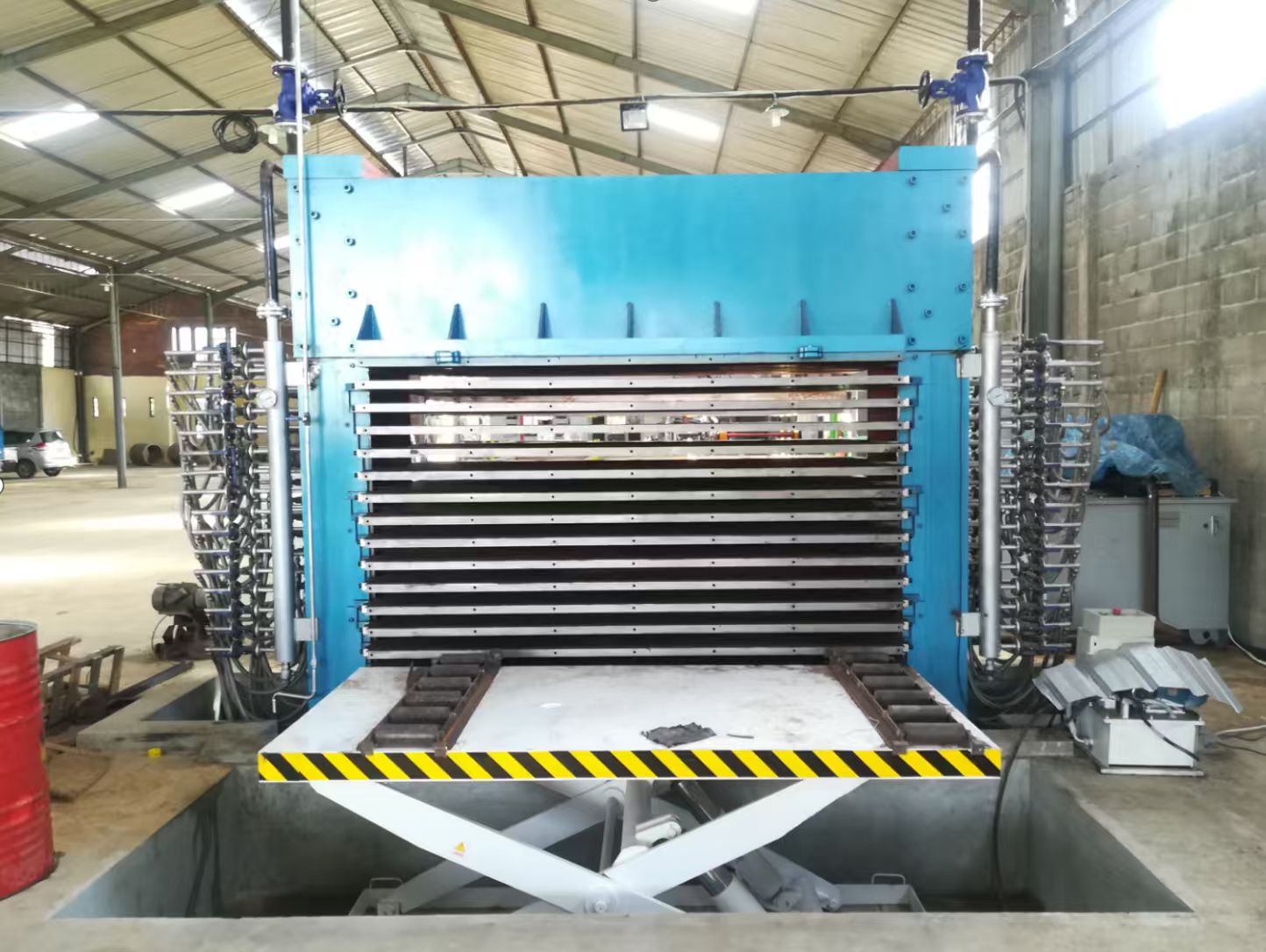
The plywood hot press is the heart of the factory. It is a massive, multi-opening press with heated steel platens. Loaded with dozens of panels separated by metal caul plates, the press closes hydraulically, applying immense pressure—often over 200 psi. Simultaneously, the heated platens (typically at 140-160°C for UF resin) cure the thermosetting adhesive. The heat penetrates the stack, turning the liquid resin into an insoluble, rigid glue line. The precise control of time, temperature, and pressure in the plywood hot press is what ultimately defines the panel’s bond strength, waterproof quality, and final thickness.
Stage 5: Finishing the Product
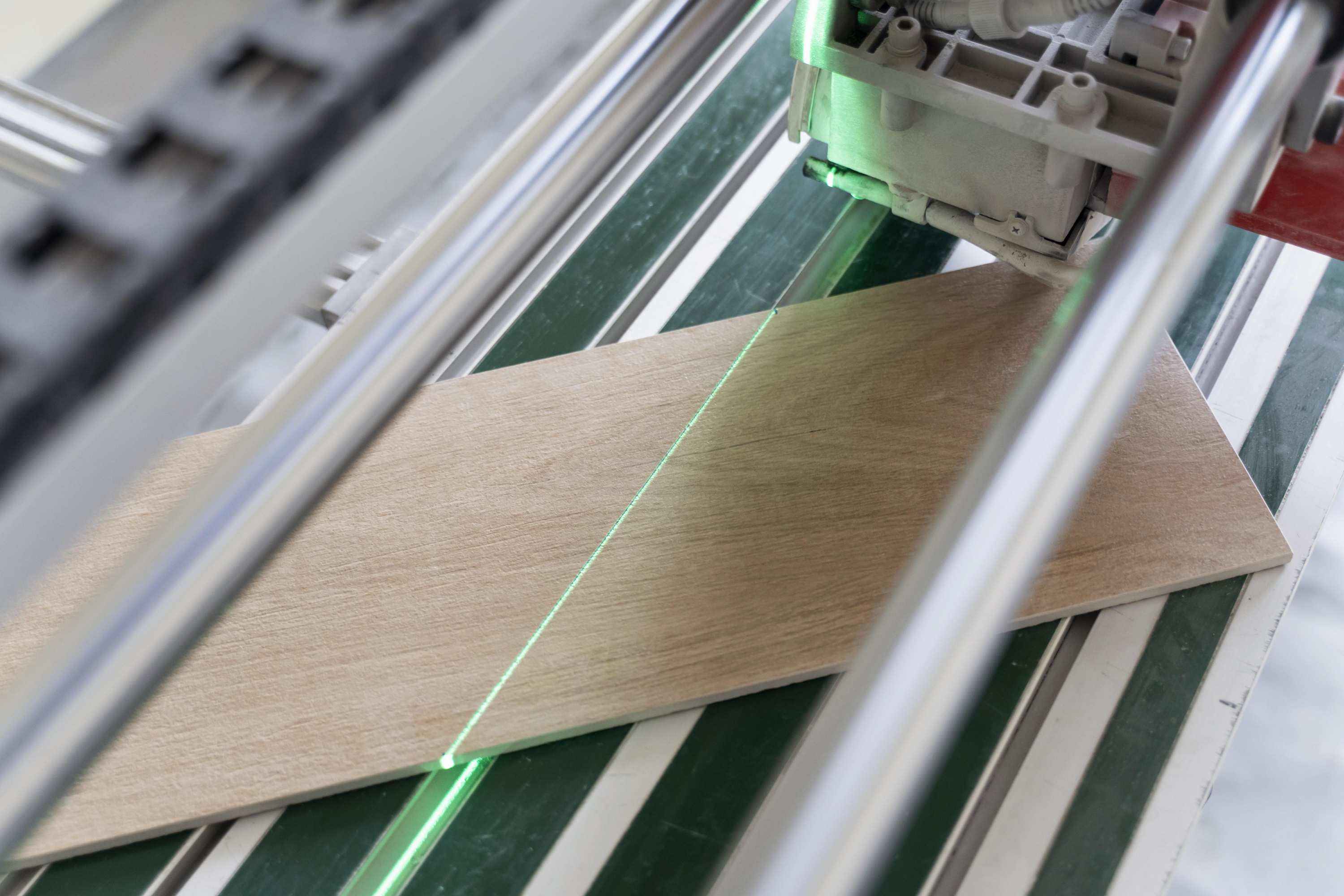
Once cured, the hot panels are unloaded, cooled, and trimmed to exact final dimensions on high-precision saws. For higher-end products, they may proceed through extensive sanding lines to achieve a flawlessly smooth, uniform surface ready for coating or lamination. Each panel is graded, stamped, and prepared for shipping.
The Machinery Ecosystem
Today’s competitive manufacturers don’t view these machines in isolation. The trend is toward fully integrated, automated systems. A modern plywood production line links the lathe, dryer, glue spreader, prepress, hot press, and finishing saws with automated conveyors and handling robots. This connectivity maximizes throughput, minimizes labor costs, and ensures consistent quality. Innovations in plywood machinery now focus on IoT sensors for predictive maintenance, AI-driven optimization of drying and pressing cycles, and more efficient hot press designs that reduce energy consumption—a major cost factor.
From the relentless spin of the peeling lathe to the formidable squeeze of the plywood hot press, the creation of plywood is a testament to industrial ingenuity. As demand grows for sustainable, strong, and versatile wood panels, the evolution of plywood making machine technology continues to drive the industry forward, ensuring this engineered wood staple remains fit for the challenges of modern manufacturing and construction.