How to Choose Heat Source for Plywood Dryer?
Choosing Heat for Veneer: Powering the Plywood Dryer
In the heart of the modern plywood production line, the veneer dryer stands as a critical gatekeeper. Its primary function—reducing the moisture content of green veneer from over 30% to a precise 6-10%—is deceptively simple. The method of achieving it, however, is a major strategic decision that impacts the entire factory's efficiency, cost structure, and environmental footprint. The choice of heat source for this vital plywood making machine is a complex calculation balancing energy efficiency, operational stability, capital cost, and sustainability. Today, three primary contenders dominate the industry: the thermal oil boiler, the steam boiler, and the direct-fired biomass burner.
The High-Efficiency Contender: The Thermal Oil Boiler System
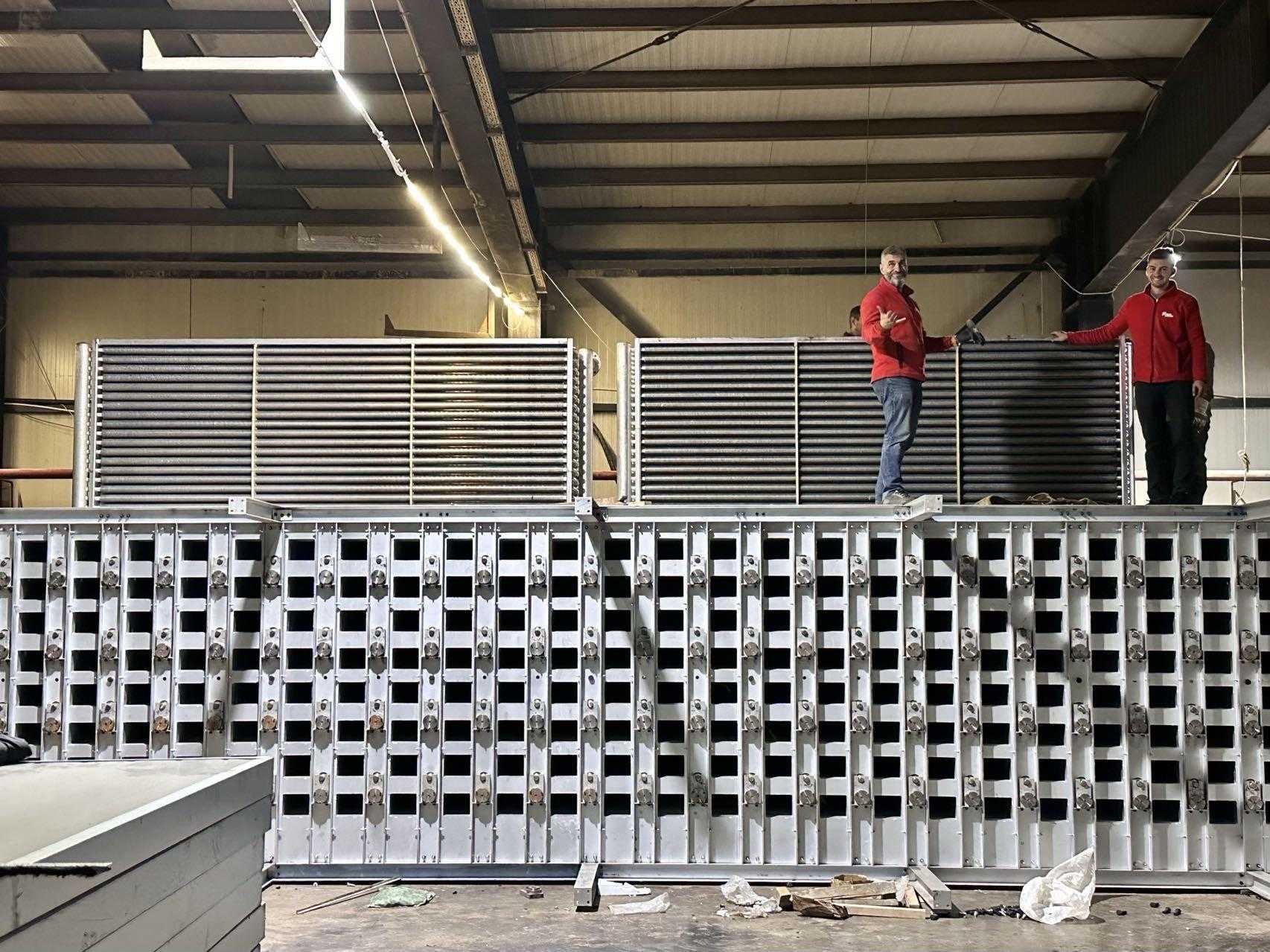
The thermal oil boiler represents a high-investment, high-efficiency solution prized for precise control and safety. In this system, the boiler heats a specialized thermal oil to high temperatures (often up to 240°C+), which is then circulated through a closed-loop network of pipes to heat exchangers within the veneer dryer. The hot oil transfers its heat to the dryer's air without direct contact.
This indirect heating method offers distinct advantages. First, it provides exceptional temperature stability and controllability, crucial for drying sensitive or valuable wood species without case-hardening or cracking. The system operates at low pressure compared to steam, enhancing operational safety. The high thermal efficiency of the closed-loop oil system minimizes heat loss, and the boiler can be located remotely, simplifying dryer layout. However, the system carries a high initial capital cost for the boiler, oil, and extensive piping network. There are also ongoing costs for the specialized thermal fluid, which degrades over time and requires replacement, and the system's efficiency is partially dependent on the primary fuel used to heat the oil (often natural gas, coal, or biomass).
The Traditional Workhorse: The Steam Boiler System
The steam boiler is the traditional and most widely understood heat source for industrial drying. It generates high-pressure steam, which is piped to heat exchangers (calandria) in the veneer dryer. As steam condenses inside the exchangers, it releases a large amount of latent heat, warming the air that passes over them.
Steam's primary strength lies in its excellent heat transfer properties and even temperature distribution, making it highly effective for consistent, high-capacity drying, especially in large-scale plants. The technology is mature, and maintenance is generally well-understood. Furthermore, a central steam boiler can often service multiple points in a plywood production line, such as hot presses and log conditioning ponds, providing a centralized heat utility. The drawbacks are significant, however. Steam systems are inherently less energy-efficient overall due to substantial heat losses in distribution lines, condensate return systems, and through flash steam. They operate under high pressure, requiring certified operators and stricter safety protocols. Like the thermal oil boiler, its final efficiency and cost are tied to the primary fuel source.
The Sustainable Challenger: The Biomass Burner System
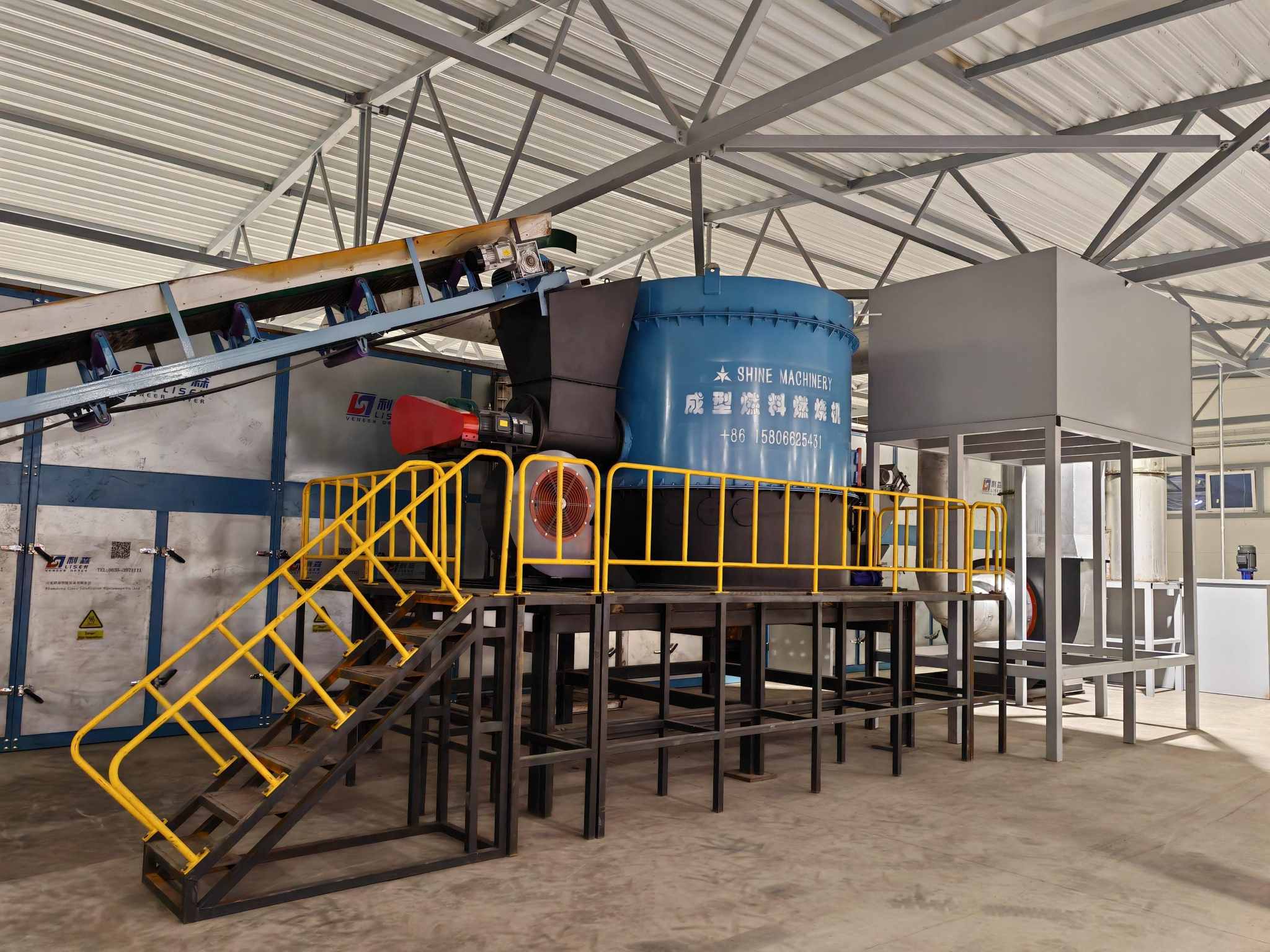
The direct-fired biomass burner represents a paradigm shift towards on-site, carbon-neutral energy. In this configuration, a burner combusts biomass—typically waste wood from the plywood plant itself, such as sander dust, trim ends, and off-cuts—to generate extremely hot flue gases. These clean, combusted gases are then mixed with ambient air and introduced directly into the veneer dryer as the drying medium.
The economic and environmental appeal is powerful. It transforms a costly waste disposal problem (sawdust and shavings) into a free or very low-cost fuel, dramatically reducing or even eliminating external energy purchases. This can lead to the fastest payback period and lowest operating cost of the three options. It also significantly reduces the plant's carbon footprint, aligning with green manufacturing goals. The challenges are operational. Direct injection requires sophisticated gas cleaning and mixing to prevent contamination of the veneer. Temperature control can be less precise than with indirect systems, and the heat load is directly dependent on the variable supply and quality of in-house biomass. It may require a backup system (like a gas burner) for periods of insufficient biomass.
The Strategic Decision: Aligning Heat with Factory Reality
The choice is rarely clear-cut and depends on the factory's specific context. A large, integrated mill with a steady, high-volume output and access to cheap natural gas might favor the reliability and multi-utility potential of a central steam boiler. A premium hardwood plywood manufacturer, where precise drying is paramount to product value, may opt for the superior control of a thermal oil boiler.
However, the biomass burner is increasingly the strategic choice for forward-thinking plants, especially those with a ready and abundant supply of processing residues. Its ability to close the material loop, turning waste into process heat right on the plywood production line, offers an unbeatable combination of economic and environmental logic. Modern filtration and control systems are continually mitigating its traditional drawbacks.
Ultimately, selecting the heat source for the veneer dryer is a decision that ripples through the entire plywood making machine ecosystem. It dictates fuel logistics, defines operational complexity, and sets the baseline for the plant's energy competitiveness. In today's market, it's not just a technical specification; it's a declaration of a factory's operational philosophy and its vision for a sustainable, profitable future.