What lies beneath veneer wood?
Introduction
We spend our days around veneer sheets, wood fibers, and drying systems. Over time, we learned one hard truth. Veneer beauty means nothing without a strong foundation. That is why the question What is Under Veneer Wood matters more than many people expect.
Most buyers see surface grain patterns first. Walnut shines. Oak feels timeless. Teak signals luxury. Yet the real story hides underneath.
In this article, we share what truly lies beneath veneer wood and why it defines high-quality results.
What Is Under Veneer Wood
Under veneer wood refers to the core material beneath veneer sheets. Veneer itself stays thin, flexible, and decorative. It offers appearance, not strength. The core provides structure balance and durability.
Common core choices include plywood and solid wood. Each core reacts differently during the drying process. These reactions shape long-term performance. When core and veneer work together, panels stay flat and reliable.
We always explain this clearly to customers. Veneer is the face. The core is the backbone.
Why Core Materials Control Quality
Many people chase looks first. They ask about Walnut Wood Veneer or White Oak Wood Veneer. We understand this instinct because grain patterns sell products. Still, quality lives deeper than the surface.
A weak core causes swelling, cracking, and glue failure. Moisture movement stresses the veneer fibers unevenly. Over time, panels warp and finishes fail. These problems often appear long after installation.
Strong cores prevent those issues. They stabilize veneer sheets during drying and use. High-quality panels always start underneath.
Common Core Materials Beneath Veneer
Plywood Core
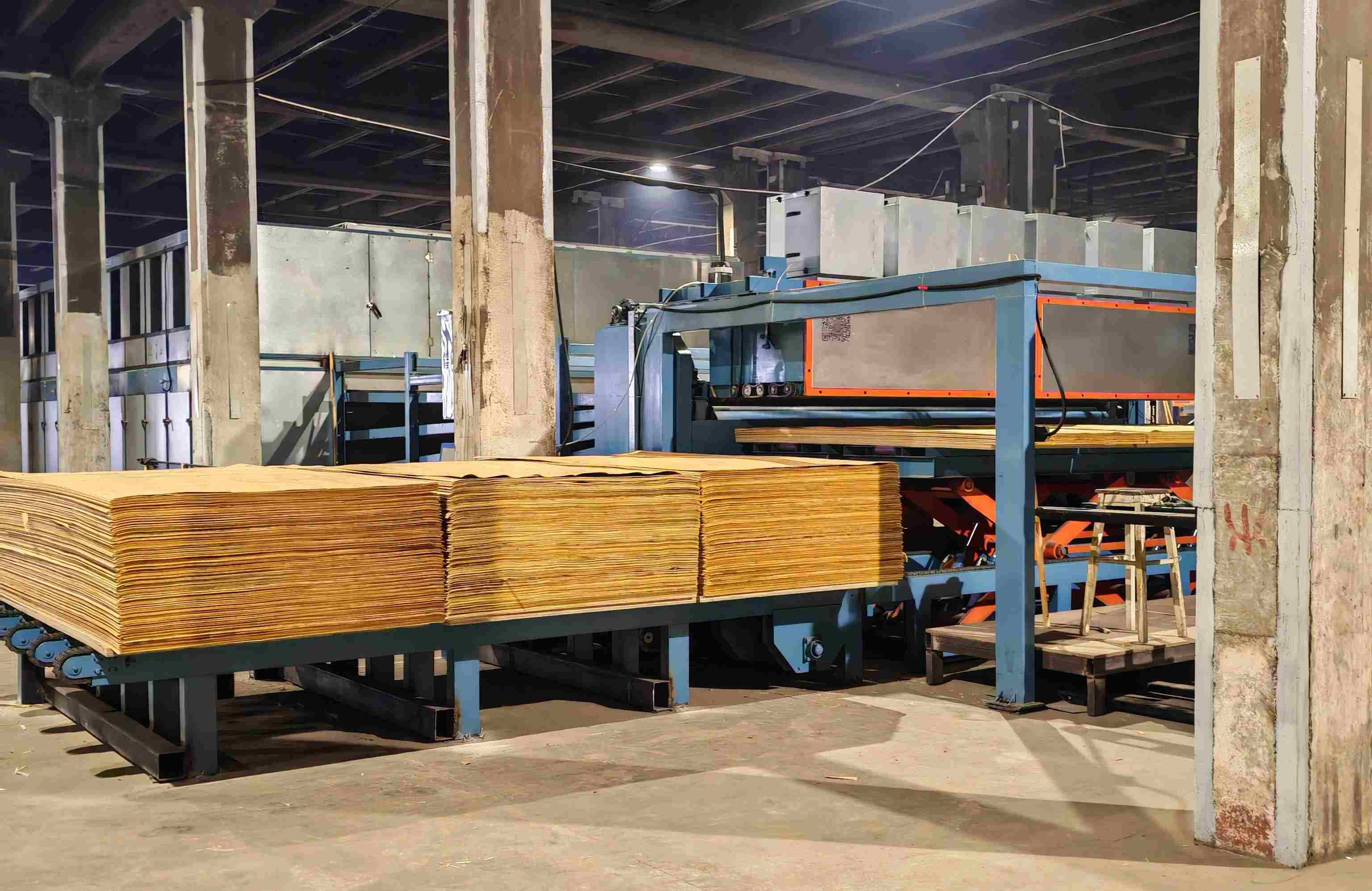
Plywood stacks thin wood layers with alternating grain directions. This structure boosts strength and stability. Plywood resists warping better than most options.
Plywood pairs well with Oak Wood Veneer, Ash Wood Veneer, and Cherry Wood Veneer. It supports bold grain patterns without distortion. Furniture makers trust it for good reason.
Solid Wood Core
Solid wood cores deliver natural strength and authenticity. They feel honest and familiar. Many clients value that emotional connection.
Yet solid wood moves with humidity shifts. Only precise drying keeps it stable. We treat solid wood with patience and respect during processing.
Veneer Types And How They Behave
Walnut And Oak Veneers
Walnut Wood Veneer offers rich color and smooth texture. Oak Wood Veneer feels bold and expressive. White Oak Wood Veneer adds tighter pores and moisture resistance.
These veneers prefer stable cores like plywood or engineered wood. Weak cores cause surface tension. Proper drying preserves natural grain patterns.
Ash Cherry And Teak Veneers
Ash Wood Veneer feels light and modern. Cherry Wood Veneer darkens beautifully over time. Teak Wood Veneer brings natural oils and durability.
Each species reacts differently to heat and airflow. Teak needs slow drying. Cherry needs color control. Matching veneer to core prevents costly surprises.
From Factory To Workshop Application
We often hear questions from small shops and hobbyists. They want simple steps and reliable results. That is why many suppliers turn out our veneering tutorials videos and FAQ for simplified veneering instructions.
These guides explain how to sand, stain, and finish correctly. Veneer is pre-sanded in many cases. Veneer is thicker and sturdier in premium options. Proper preparation leads to better outcomes.
A newly veneered project feels rewarding. Sheets to create beautifully transform plain panels into art. Knowledge makes that process smoother.
Drying Process Shapes Long-Term Performance
Drying controls success quietly. Moisture imbalance causes failure months later. We have seen it too many times.
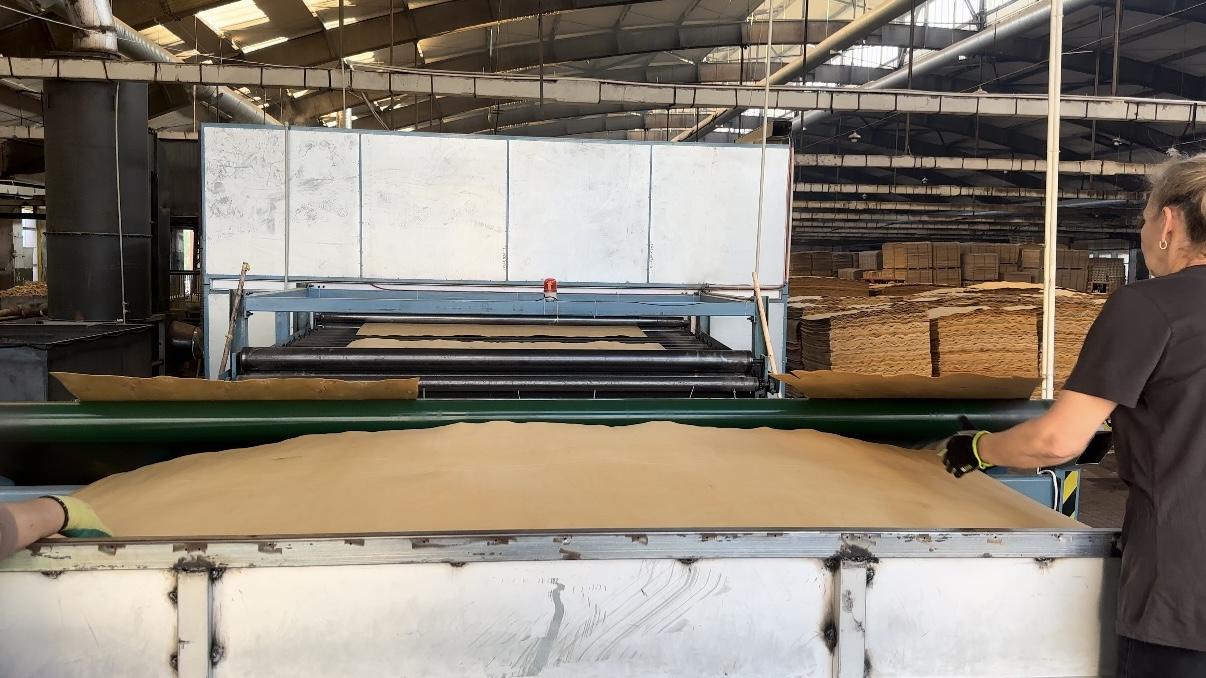
The drying process removes water evenly from the veneer and core. Airflow temperature and humidity must stay balanced. Different species demand different settings.
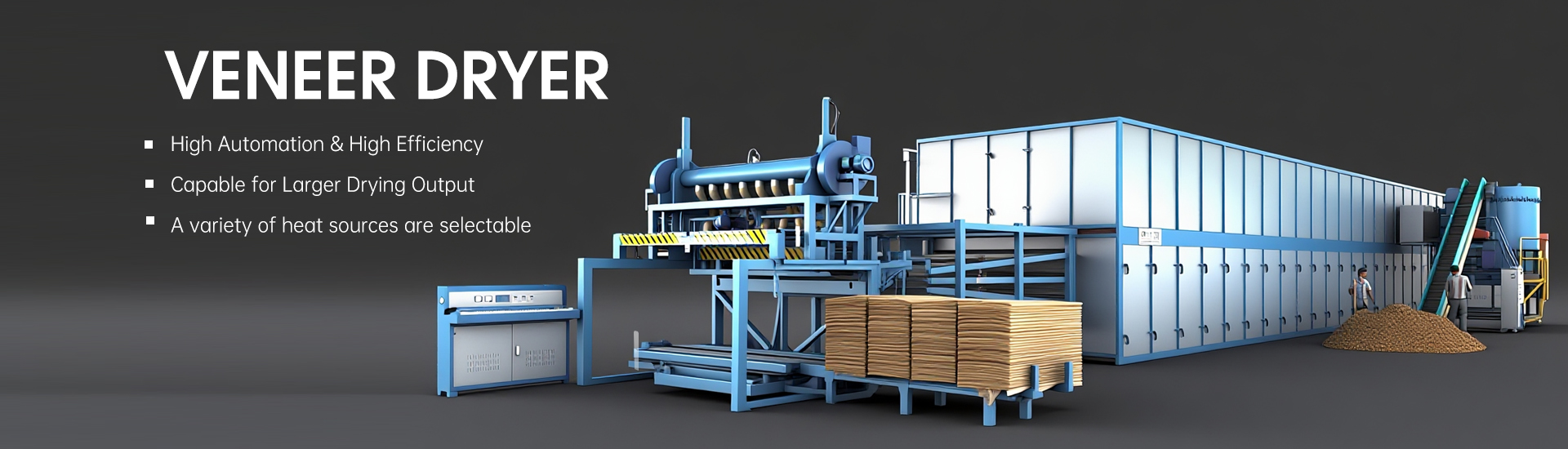
Our Veneer Drying Machine helps manufacturers control this balance. Precision drying protects grain patterns and bonding strength. Good drying saves material and reputation.
Buying Veneer With Confidence
Buyers often worry about price transparency. They watch for price changes on the screen. They want consistency and honesty.
Good suppliers process orders until you are satisfied. They help customers select materials with confidence and select wisely. Trust builds long-term relationships.
Real Wood Versus Convenience Materials
Real wood veneer shows character. Color variation, knots, and texture feel alive. These traits separate high-quality work from imitation.
Convenience materials offer speed. Peel systems and paper backing help with fast projects. Still, real wood rewards patience and care.
We always encourage balanced decisions. Choose materials that match skill level and environment. Success comes from honest choices.
Final Thoughts From Shine Machinery
We believe veneer deserves respect. Understanding what is Under Veneer Wood helps builders, designers and buyers avoid disappointment. Structure supports beauty every time.
Veneer sheets shine when cores stay stable. Drying protects the soul of the wood. Machines matter, but knowledge matters more.
We build equipment with this belief. Strong foundations create lasting surfaces. That principle never changes.