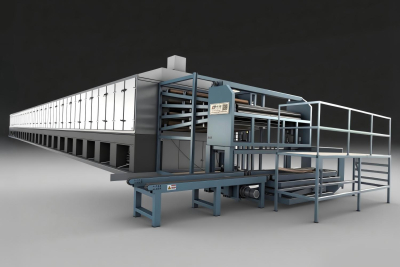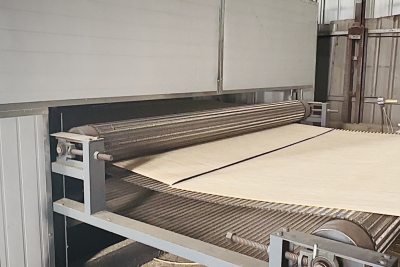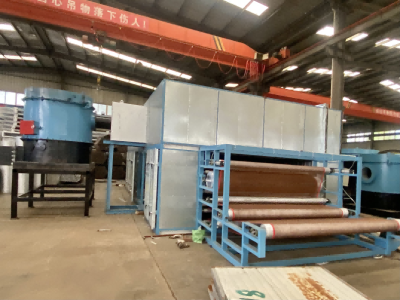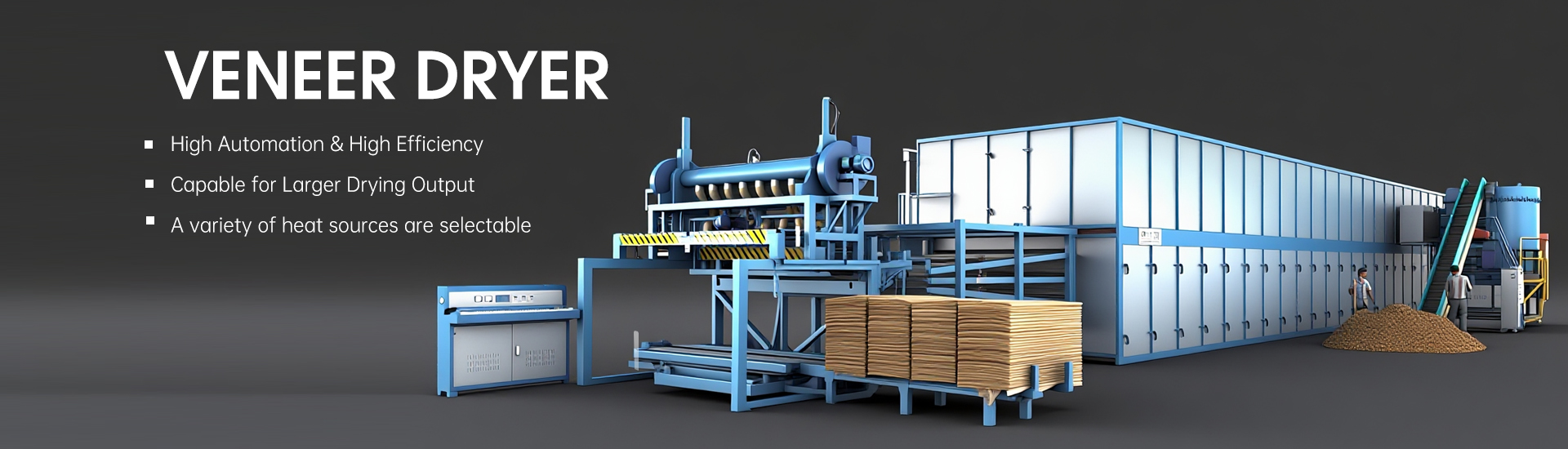
Turn Veneer Waste into Fuel with Biomass Burner
Using veneer waste as fuel is one of the fastest ways for plywood mills to cut energy bills and improve sustainability. Shine Machinery’s biomass burner solution is designed exactly for this: it converts veneer offcuts, peelings, trim into a stable, low-cost fuel for your veneer drying machine, while maintaining consistent product quality. Field projects have reported fuel-cost reductions of up to about 40% by replacing fossil fuels with in‑house wood waste. With the right fuel preparation, burner selection and system integration, mills can achieve attractive payback periods and long-term energy resilience.
Why convert veneer waste into biomass fuel?
Every veneer plant produces large volumes of peelings, edge trim and broken sheets. Traditionally, this waste is landfilled, burned in open piles, or hauled away at a cost. A biomass burner paired with a biomass veneer dryer turns this liability into a valuable energy source:
•Lower fuel costs – Substitute expensive oil, LPG or natural gas with wood waste generated on-site.
•Closed-loop sustainability – Use your own waste stream to power your veneer drying machine, reducing disposal and transport.
•Energy security – Reduce exposure to fossil-fuel price swings and supply interruptions.
•Better environmental performance – Modern combustion design supports low emissions and cleaner operation.
Shine Machinery has engineered its veneer dryer with biomass burner specifically for these mill conditions, so the system fits real-world production, not lab tests.
Direct vs. indirect heating: choosing the right concept
When planning a biomass veneer dryer project, one of the first decisions is whether to use direct or indirect heating. Both can be combined with Shine’s biomass burner, but they behave differently in operation.
Direct-fired hot air
In a direct-fired configuration, hot combustion gases from the biomass burner are mixed directly with the process air entering the veneer drying machine.
Key characteristics:
•Highest instantaneous thermal efficiency – Minimal heat-transfer losses make this approach very fuel-efficient.
•Simpler layout – Ducting is straightforward, with fewer intermediate components.
•Best for cost-sensitive installations – Ideal when the priority is maximum energy savings and compact integration.
How Shine’s solution fits
Shine’s biomass burner is purpose-built for veneer applications. Its patented combustion design delivers stable, relatively low-temperature heat that protects sensitive species such as birch and eucalyptus from surface checking or discoloration. The burner supports multi-fuel feed (chips, peelings, briquettes) and includes flame monitoring to safeguard veneer quality.
•Use direct-fired systems where peak efficiency and simple ductwork are the top priorities.
•Choose indirect systems where air-tight process control or strict emissions requirements are in place.
Fuel sourcing and preparation: the foundation of reliable operation
A biomass veneer dryer is only as stable as its fuel supply. Consistent fuel quality equals consistent veneer quality. Shine’s implementation manual focuses heavily on how to manage this.
1. Map and segregate your feedstock
Start by mapping all potential wood-waste streams in the plant:
•Veneer peelings and core waste
•Edge trim and end cuts
•Sawdust from grading or cutting
•Bark and mixed offcuts
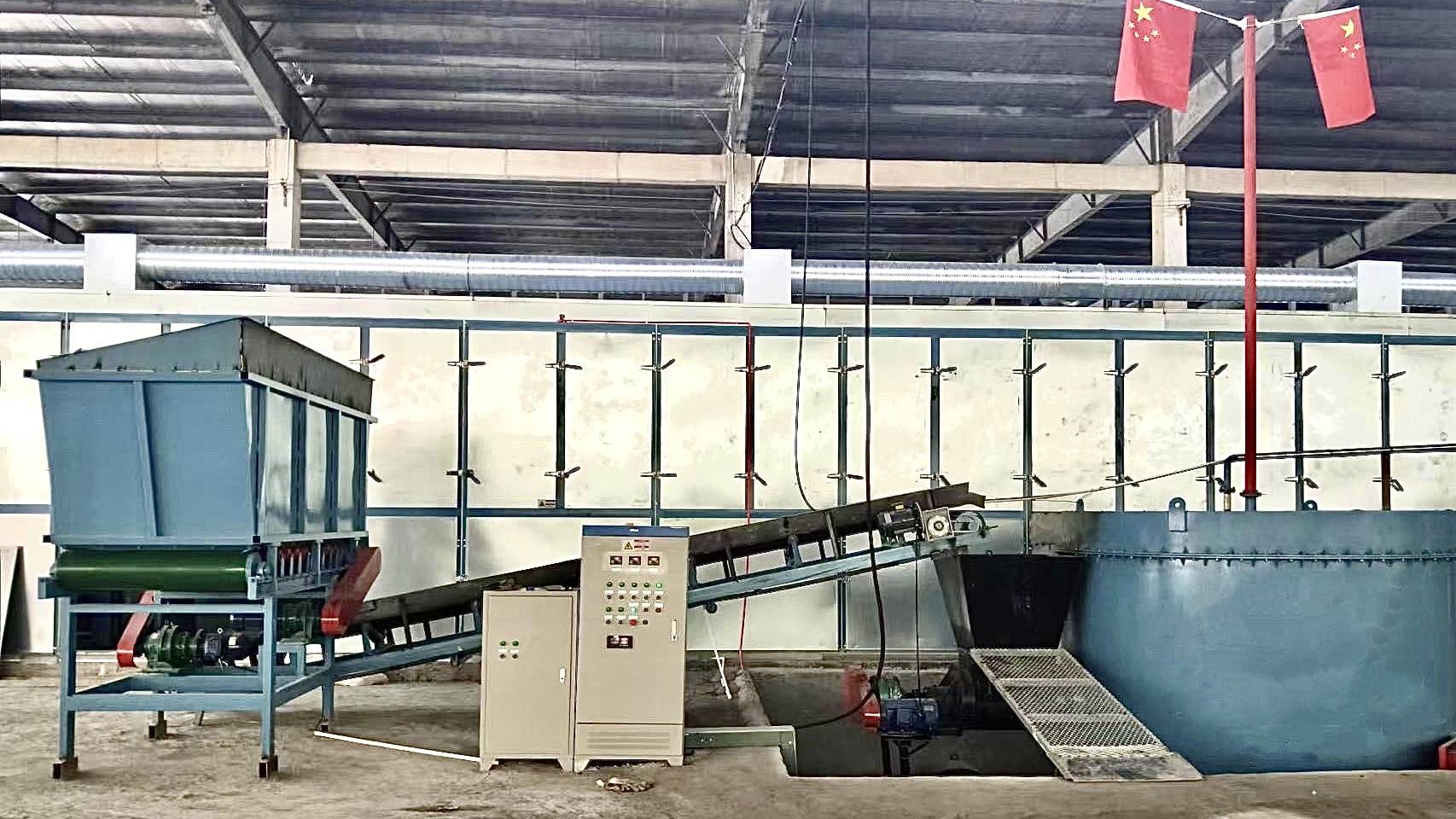
Remove non-combustible contaminants such as metal clips, stones and sand. Good screening and metal separation protect the biomass burner’s feed system and maintain safe, repeatable operation.
2. Mechanical preparation and densification
Uniform particle size helps the biomass burner feed system deliver steady fuel flow. Typical preparation line:
•Shredding – Low-speed shredders reduce trim and offcuts to a manageable size.
•Screening – Vibrating screens remove over-sized pieces and separate fines.
•Densification (optional) – Briquetting or pelletizing converts fines and sawdust into a high-LHV, easy-handling fuel.
Briquettes and pellets are especially attractive where fine streams dominate, as they:
•Improve energy density and storage stability.
•Reduce dust and explosion risk.
•Enable more consistent feeding into the biomass burner.
If space or budget is limited, Shine can advise on minimal handling setups that still keep the veneer drying machine supplied with suitable fuel.
Selecting the right biomass burner and controls
A veneer plant runs many hours per day, often with changing loads. The biomass burner must match this reality rather than a static design point.
Burner performance parameters
Important selection criteria include:
•Wide turndown ratio – Ability to modulate output as the veneer dryer load changes between shifts or product types.
•Multi-fuel feed capability – Auger or piston feed that can handle chips, shreds and briquettes without frequent plugging.
•Rugged feed system – Wear-resistant augers and housings for continuous industrial duty.
•Proven flame safeguarding – Sensors and logic to maintain flame stability and safe shutdown behavior.
Shine’s biomass burner range has been tuned through projects in both cold and tropical climates, giving operators a practical envelope of stable output and controllable temperature.
Control and automation
Modern controls protect your veneer drying machine while extracting maximum value from biomass fuel. A typical Shine control architecture includes:
•Closed-loop combustion air control – Fans and dampers adjusted automatically to maintain target oxygen levels.
•Oxygen sensing – O₂ sensors in the flue provide real-time feedback for optimizing combustion.
•PLC-based logic – Coordinates fuel and air to match burner load, manages startup/shutdown, and logs key parameters.
•Interlocks and alarms – Protect against feed blockages, ash buildup, fan failures and abnormal temperatures.
Where regulations require it, Shine can integrate CO/NOx sensors and additional safety layers. The burner design also considers easy access for ash removal to keep uptime high.
Integrating the burner with your veneer drying machine
The best biomass burner will not perform if the hot air cannot be delivered uniformly to the veneer. Integration and plant layout are therefore critical.
Ducting and air distribution
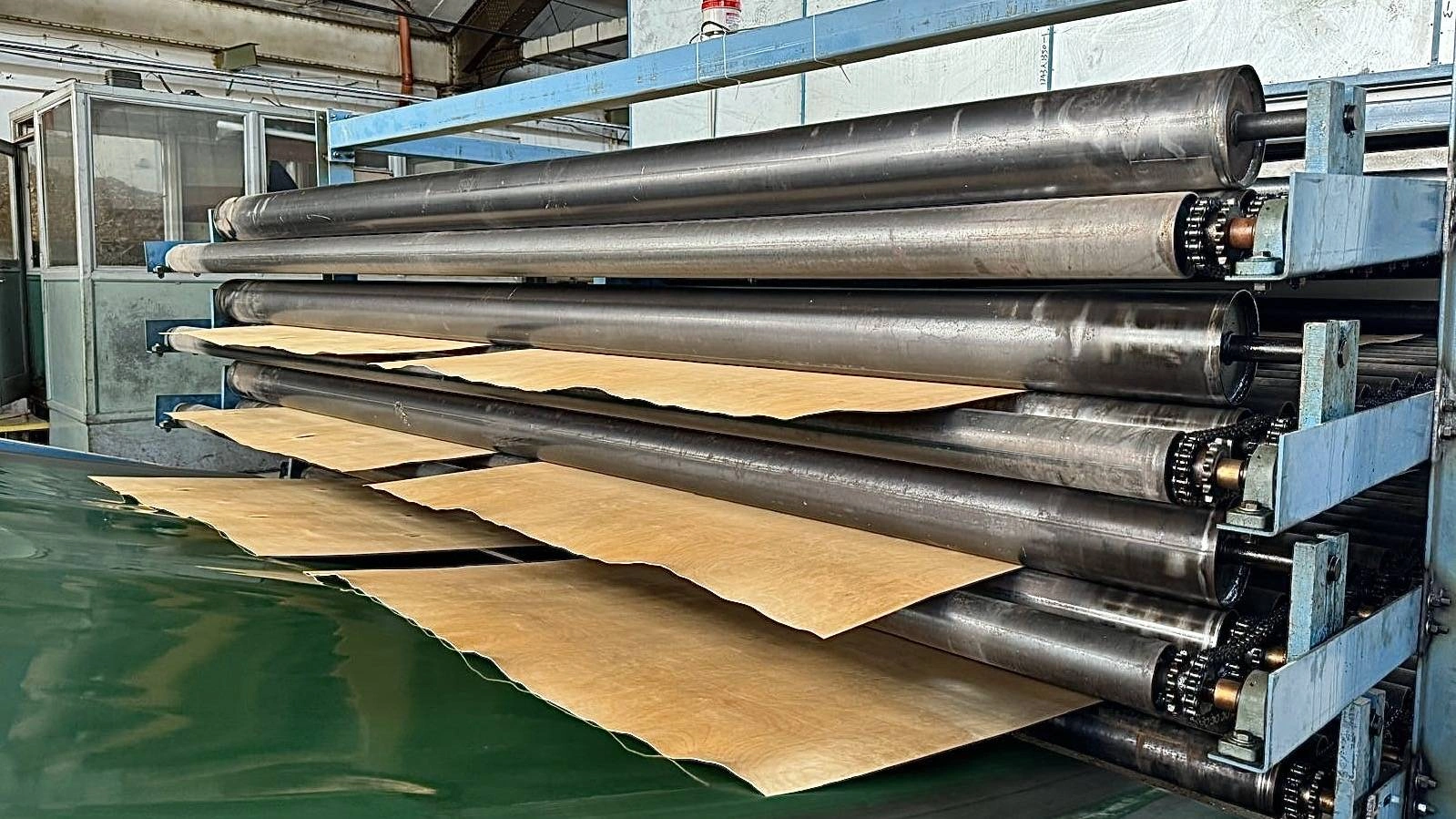
For a biomass veneer dryer, ducting must ensure that every deck and every zone sees stable, even temperatures. Shine focuses on:
•Properly sized main ducts to minimize pressure losses.
•Well-designed plenums to distribute hot air before it enters the roller decks.
•Adjustable vanes or dampers to fine-tune each deck.
This attention to airflow prevents hot spots and cold corners that could cause uneven moisture profiles in the finished veneer.
Cooling section design
Drying does not end at the last hot zone. Veneer needs controlled cooling to avoid thermal stress and over-drying.
In tropical installations, Shine has implemented a 6 m cooling zone on a 4‑deck biomass veneer dryer handling eucalyptus. This extended cooling section helps:
•Stabilize veneer moisture content before stacking or pressing.
•Reduce warping and internal stress.
•Improve operator safety in hot ambient conditions.
Operation, maintenance and ROI: making the business case
A well-designed biomass burner and veneer drying machine combination only delivers full value when it is operated correctly. Shine supports mills with manuals, commissioning and operator training.
A simple ROI template
Shine recommends a conservative approach to financial modeling. A basic template looks like this:
•Annual fuel savings= Annual thermal demand × Biomass substitution rate × Fuel price difference
•Payback period (years)= Total project CAPEX ÷ Annual fuel savings
Where:
•Annual thermal demand is the heat required by the veneer drying machine over a year.
•Biomass substitution rate is the share of this demand covered by waste wood (use a prudent value, e.g. 50%, in initial calculations).
•Fuel price difference compares your current fossil fuel with the effective cost of own biomass (often near zero for internal waste wood).
Real projects with Shine have indicated up to around 40% fuel-cost reduction, but each site should be validated individually. Shine can provide a site-specific ROI template including delivered lower heating value (LHV, MJ/kg), realistic substitution percentages and amortized CAPEX based on project life.
Real-world case highlights
Russia: birch veneer in subzero conditions
A Russian customer processing birch faced two classic cold-climate drying challenges: sluggish evaporation, high fuel bills and quality risk from unstable temperatures. Shine delivered a veneer dryer with biomass burner and automatic dehumidification tailored to these conditions.
Results:
•Workshop offcuts and birch peelings became the primary fuel, closing the loop on waste.
•The patented biomass burner maintained stable, low-emission heat even in subzero temperatures.
•Automatic dehumidification compensated for winter heat loss and kept the veneer drying machine operating in a narrow, quality-safe window.
This project demonstrates how mills in harsh climates can protect veneer quality while converting internal wood waste into significant energy savings.
South Africa: 4‑deck biomass veneer dryer for eucalyptus
In South Africa, a customer running eucalyptus veneers needed a solution that could handle high ambient temperatures (often above 38°C) and species-specific drying challenges. Shine supplied a 4‑deck biomass veneer dryer with an extended 6 m cooling section and a dedicated biomass burner.
Key outcomes:
•Tons of daily eucalyptus waste wood are now used as high-efficiency fuel, cutting reliance on fossil fuels.
•The burner’s precise temperature control prevents over-drying and cracking, critical for eucalyptus with its natural oils and rapid drying behavior.
•The long cooling zone protects veneer flatness and reduces thermal stress, enabling consistent product quality in a tropical environment.
Together, these projects illustrate how a properly engineered biomass burner and veneer drying machine combination can deliver both cost and quality benefits across very different climates.
How Shine supports your project
Shine Machinery offers a complete package around its veneer dryer with biomass burner:
•Engineering support – Burner sizing, duct layout, cooling zone configuration and integration into existing plants.
•Fuel strategy consulting – Feedstock mapping, preparation layouts and moisture management plans.
•Controls and automation – PLC programming, interlocks and HMI tailored to veneer drying machine operations.
•Commissioning and training – On-site setup and operator education for long-term stable performance.
•ROI and payback analysis – Site-specific templates including realistic substitution rates and CAPEX amortization.
For technical quotations or a tailored ROI model for your veneer drying machine, contact Shine Machinery by phone or email. The team can also advise on related equipment, including 4‑deck and 2‑deck biomass veneer dryers and the veneer grading system.