What Is Plywood Used For? 7 Key Applications
Plywood is one of the most widely used materials in modern woodworking. From home furniture to large construction projects, it offers strength, stability, and flexibility. But what is plywood used for, and why do manufacturers choose it over solid wood?
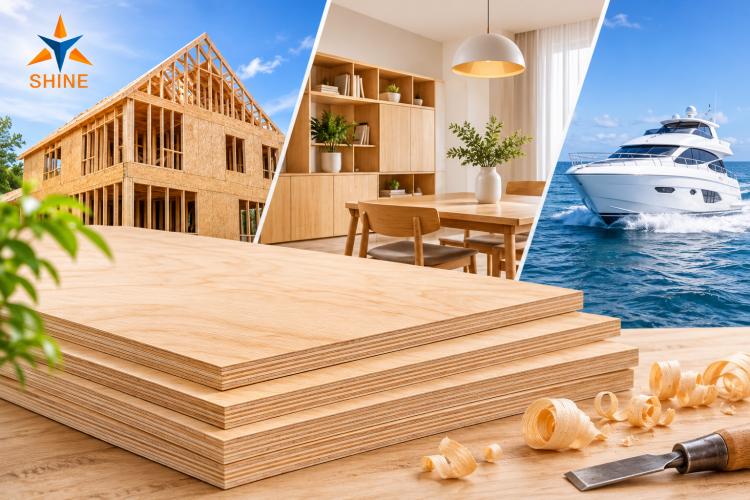
We work closely with wood processing technology, so we understand its production requirements. Plywood combines several thin layers of wood veneer into one strong panel. Manufacturers bond these layers together under heat and pressure. This simple idea creates an engineered wood product with many practical advantages.
Let's explore its main applications, popular types, and manufacturing process.
1. Construction and Building Projects
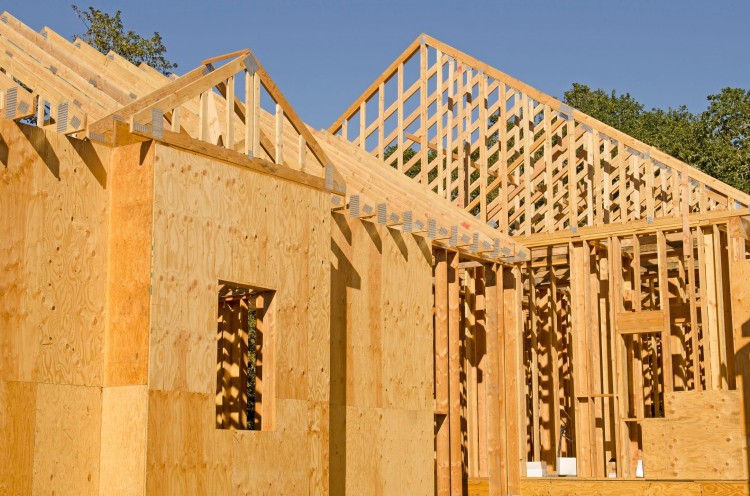
Construction represents one of the largest markets for plywood products. Builders value its strength, consistent dimensions, and easy installation. A plywood panel can handle different structural requirements across residential and commercial projects.
Common construction applications include:
· Wall sheathing: Supports wall structures and provides a stable surface.
· Roof sheathing: Creates a solid base beneath roofing materials.
· Subflooring: Provides support for carpets, tiles, and wooden floors.
· Concrete formwork: Holds wet concrete during construction.
· Structural panels: Strengthens walls, roofs, and floor systems.
Different projects require different types of plywoods. For example, softwood plywood often serves structural purposes. Meanwhile, exterior plywoods offer better resistance to moisture when manufacturers use suitable adhesives and treatments.
However, plywood does not automatically become waterproof. Buyers should always check its grade and intended application.
2. Furniture Manufacturing
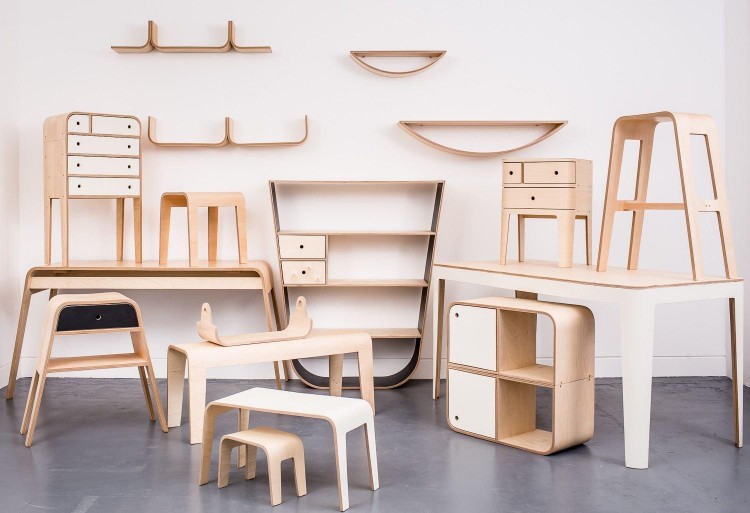
Furniture manufacturers use plywood to produce attractive and durable products. Its layered structure helps reduce splitting and dimensional movement. It also provides a useful balance between weight and strength.
Typical furniture applications include:
· Wardrobes and kitchen cabinets
· Office desks and bookshelves
· Dining tables and chairs
· Bed frames and headboards
· Decorative wall panels
· Storage cabinets and drawers
Interior plywood works particularly well in dry indoor environments. Manufacturers can also apply veneers, laminates, or decorative coatings. These finishes improve appearance and protect the surface.
For furniture makers, consistent thickness and smooth surfaces matter greatly. High quality wood veneer helps create better-looking plywood. It also reduces surface defects during finishing.
3. Flooring and Interior Decoration
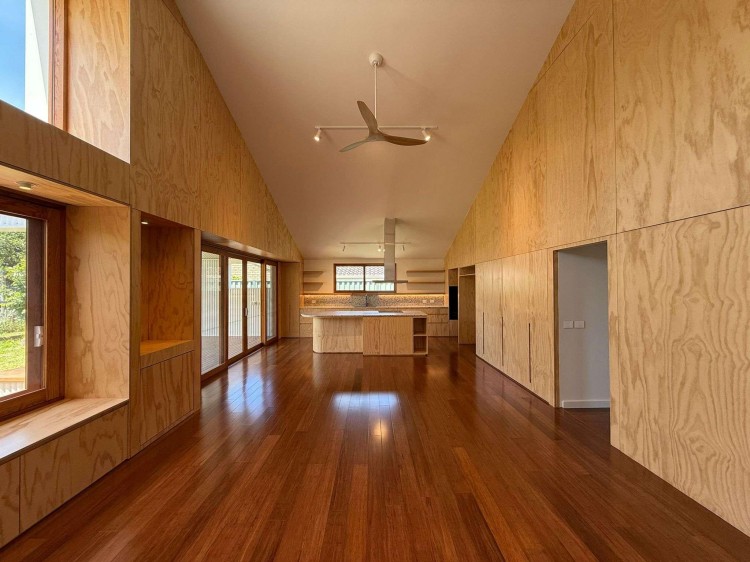
Plywood also plays an important role in interior decoration. Many flooring systems use plywood as a stable supporting layer. Some products also feature decorative wood veneer surfaces.
Its applications include:
· Wooden flooring substrates
· Decorative wall panels
· Ceiling panels
· Interior partitions
· Staircase components
· Exhibition and display structures
Plywood offers designers considerable flexibility. Manufacturers can produce different thicknesses, sizes, and surface finishes. As a result, it suits both simple interiors and premium decorative projects.
Nevertheless, moisture content deserves careful attention. Excess moisture can cause swelling, deformation, and bonding problems. Proper material selection and installation help prevent these issues.
4. Packaging and Industrial Applications
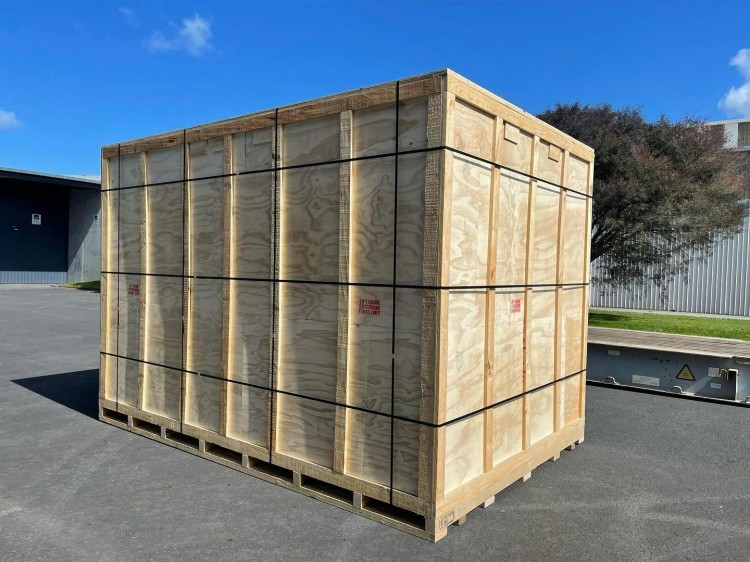
Plywood is not limited to homes and buildings. Industrial companies also use it for transportation and product protection. Its strength makes it suitable for packaging heavy equipment and valuable goods.
Common applications include:
· Export wooden crates
· Industrial shipping boxes
· Machinery packaging
· Warehouse storage containers
· Protective transport panels
· Reusable pallets and packaging structures
Manufacturers often select plywood because it offers reliable strength. It also allows easy cutting, drilling, and assembly. These features help packaging companies improve production efficiency.
For international transportation, buyers should consider applicable export packaging regulations. Material treatment and certification requirements may vary by destination.
5. Marine and Outdoor Applications
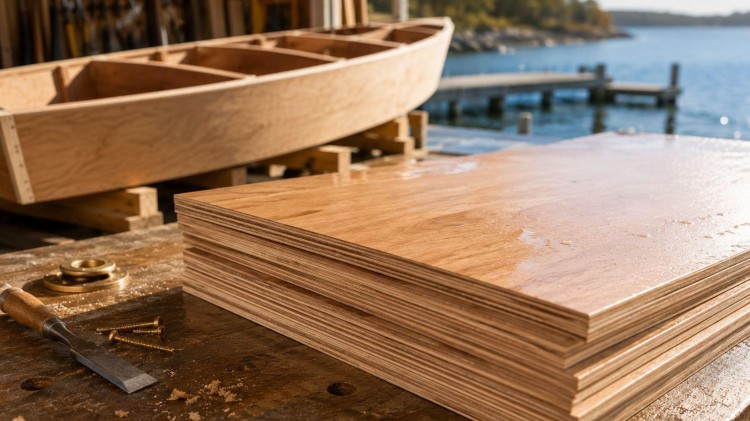
Some plywood products serve demanding outdoor environments. Marine plywood is a common example. Manufacturers design it for applications that require durable bonding and suitable veneer quality.
Typical applications include:
· Boat interiors and components
· Marine furniture
· Outdoor structures
· Garden buildings
· Exterior wall systems
· Vehicle and trailer components
Marine plywood uses suitable adhesives and carefully selected veneers. However, buyers should not confuse marine-grade bonding with unlimited waterproof performance. Protective coatings and proper maintenance remain important.
Likewise, exterior plywoods need suitable specifications for their working environments. Choosing the correct product helps extend service life.
6. What Makes Plywood Strong and Reliable?
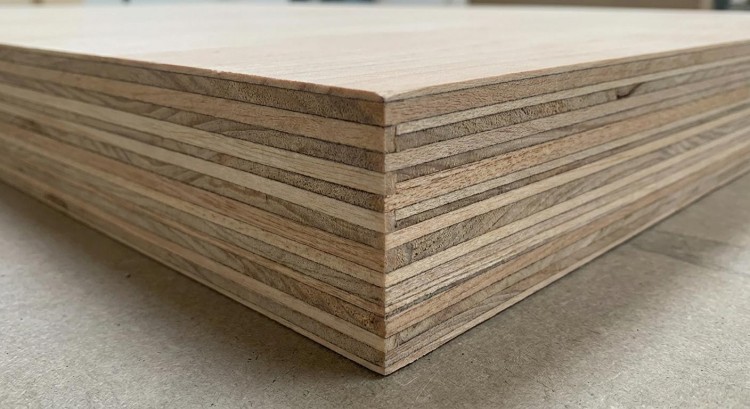
Plywood gets its strength from its unique layered structure. Manufacturers arrange thin layers of wood veneer in alternating directions. Usually, adjacent layers have perpendicular grain directions.
This cross-laminated structure provides several advantages:
· Better dimensional stability
· Improved strength distribution
· Reduced directional shrinkage
· Better resistance to splitting
· Consistent panel thickness
· Efficient use of wood resources
However, the final result depends on more than veneer arrangement. Raw material quality, adhesive selection, and production conditions also matter.
Proper veneer drying plays an especially important role. Manufacturers must control the moisture content before bonding. Uneven drying can create cracks, wrinkles, and other defects.
These problems may reduce bonding strength and increase production waste. Therefore, stable drying conditions support high quality plywood production.
7. How Veneer Drying Affects Plywood Quality
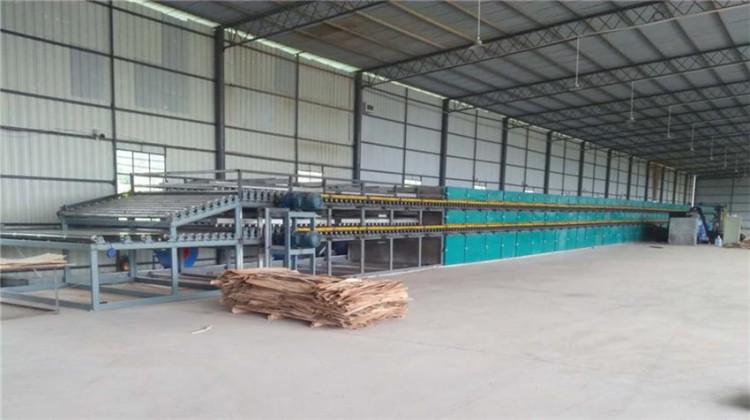
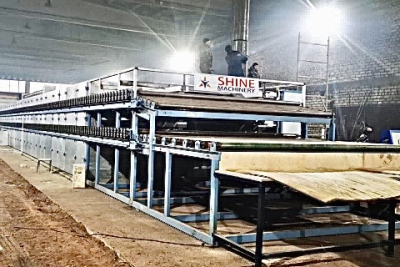
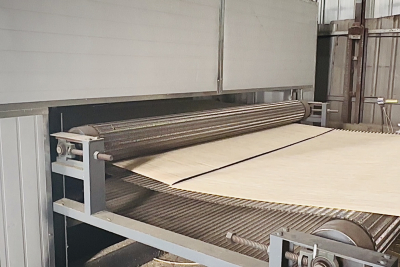
Veneer drying is a key stage in the plywood manufacturing process. Freshly peeled wood veneer contains considerable moisture. Manufacturers must reduce this moisture before the veneer enters the gluing process.
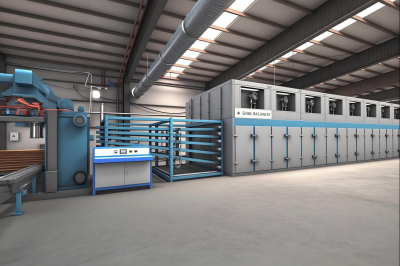
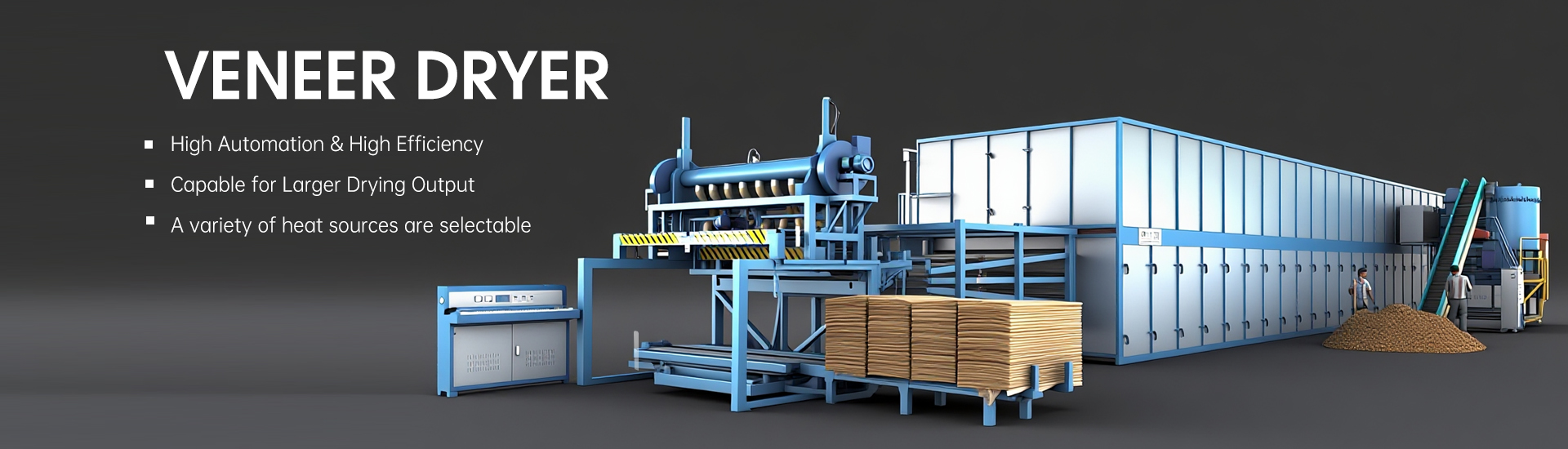
A professional veneer dryer helps achieve consistent drying results. Its performance directly affects production quality and efficiency.
Important factors include:
1. Initial moisture content
Different wood species contain different amounts of water. Veneer thickness and raw material conditions also affect drying requirements.
2. Drying temperature
Suitable temperatures help remove moisture without damaging the veneer. Excessive heat may cause cracking, brittleness, or discoloration.
3. Feeding speed
The conveyor speed determines how long veneers remain inside the dryer. Operators must balance drying time and production requirements.
4. Air circulation
Stable airflow helps distribute heat throughout the drying chamber. Uneven airflow may produce inconsistent moisture levels.
5. Drying capacity
Manufacturers should match drying capacity with their peeling and gluing production lines. A suitable roller veneer dryer can support continuous operation and high efficiency.
At Shandong Shine Machinery, we understand these production challenges. Our focus is developing reliable veneer dryer machine solutions for industrial manufacturers. We believe consistent drying creates a stronger foundation for better plywood.
Conclusion
So, what is plywood used for? Its applications cover construction, furniture, flooring, packaging, marine projects, and interior decoration. Different types of plywoods serve different performance requirements.
However, high quality plywood starts long before the pressing stage. Veneer selection, moisture control, and drying performance all influence the final product. A reliable veneer dryer helps manufacturers improve consistency and reduce material waste.
At Shandong Shine Machinery, we believe efficient veneer drying supports better plywood production. Choosing suitable drying equipment can make a meaningful difference to your manufacturing process.
Looking to improve your veneer production line? Contact our team to discuss suitable drying solutions for your factory.