How to Improve Veneer Quality?
High-quality wood veneer starts long before the drying process. Every production step affects the final appearance, strength, and usability of veneer sheets. Even small mistakes can lead to cracks, wrinkles, uneven thickness, or excessive shrinkage.
At Shandong Shine Machinery, we understand how important consistent veneer quality is. Manufacturers need reliable equipment and stable production processes. However, expensive machinery alone cannot solve every quality problem. Good results require careful control from raw material preparation to final storage.
So, how to improve veneer quality effectively? Let's explore several practical methods that can make a real difference.
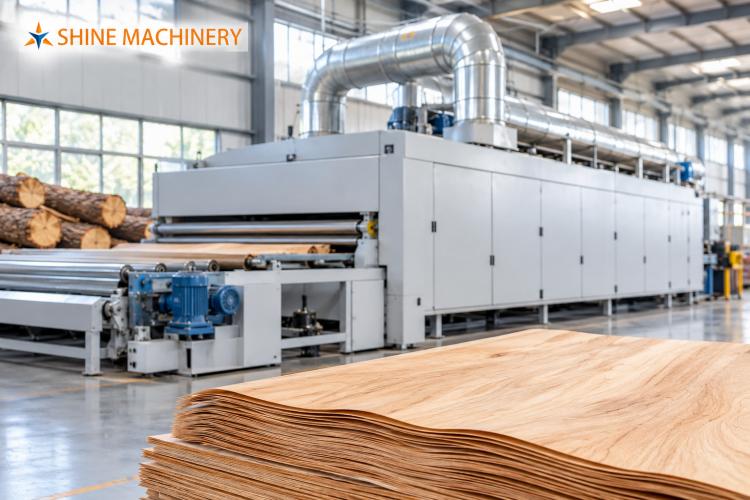
1. Select High-Quality Raw Materials
The quality of finished veneer depends heavily on the original wood. Poor logs often create problems that become difficult to correct later.
Choose Suitable Wood Species
Different wood species have different physical properties. Density, grain structure, moisture content, and natural defects all influence veneer production.
We recommend considering these factors:
Wood species: Select species that match the intended veneer application.
Log diameter: Suitable diameters help improve peeling stability.
Log straightness: Straight logs generally produce more uniform veneer sheets.
Wood defects: Avoid excessive knots, decay, insect damage, and deep cracks.
Control Log Preparation
Proper log conditioning helps improve cutting performance. Depending on the wood species, manufacturers can use soaking or steaming before peeling. These treatments soften the wood and help reduce cutting defects.
Remember, good veneer production begins with good logs. No machine can turn badly damaged timber into perfect sheets.
2. Improve Peeling Accuracy
Peeling directly determines veneer thickness, surface smoothness, and sheet consistency. Therefore, manufacturers should pay close attention to lathe settings and blade conditions.
Maintain Sharp Cutting Blades
A dull blade can create rough surfaces, excessive lathe checks, and uneven thickness. Regular inspection and timely blade replacement help maintain stable cutting quality.
We suggest checking:
Blade sharpness and cutting angle.
Knife position and pressure.
Log rotation stability.
Veneer thickness consistency.
Peeling speed and feeding conditions.
Maintain Uniform Thickness
Uneven thickness can cause problems during drying and hot pressing. It may also affect adhesive distribution and finished panel quality.
For this reason, operators should measure veneer thickness regularly. Adjust the peeling equipment whenever measurements move outside the required production tolerance.
3. Optimize the Veneer Drying Process
Drying plays a major role in determining final wood veneer quality. Freshly peeled veneer contains considerable moisture. Manufacturers must remove excess water without damaging the wood structure.
However, faster drying does not always mean better drying. Excessive heat or unsuitable drying conditions can cause cracks, brittleness, and shrinkage.
Control Drying Temperature
Different wood species and veneer thicknesses require different drying conditions. Operators should adjust temperature according to actual production requirements.
Important factors include:
Initial moisture content.
Veneer thickness and wood species.
Drying temperature.
Conveyor speed.
Air circulation and humidity.
Required final moisture content.
Maintain Uniform Airflow
Uneven airflow often creates inconsistent drying results. Some sheets become too dry, while others retain excessive moisture.
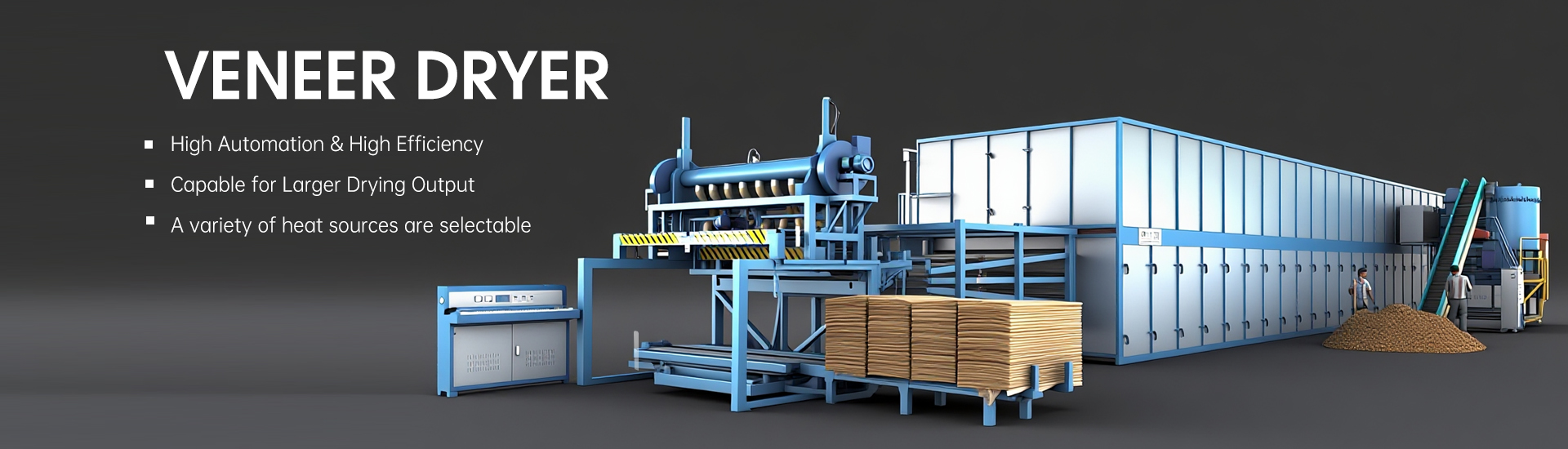
A well-designed Veneer Dryer Machine should provide stable airflow and consistent heat distribution. Operators should also inspect fans, air passages, filters, and circulation systems regularly.
Monitor Final Moisture Content
Moisture control is essential for stable veneer quality. Overdried veneer becomes brittle and may break during handling. Underdried veneer can cause bonding problems and increase mold risks during storage.
We recommend using moisture meters to check samples from different dryer positions. Always follow the moisture specifications required by the final application.
4. Prevent Common Veneer Defects
Even a well-organized production line can experience quality problems. Early detection helps reduce material waste and unnecessary production costs.
Common Defects and Solutions
Veneer Defect | Possible Cause | Recommended Solution |
Cracking | Excessive drying | Adjust temperature and drying speed |
Warping | Uneven moisture removal | Improve airflow distribution |
Shrinkage | Excessive moisture loss | Optimize drying conditions |
Rough surfaces | Dull peeling blades | Maintain cutting equipment |
Uneven thickness | Incorrect lathe settings | Calibrate peeling equipment |
Mold growth | Excessive residual moisture | Improve drying and storage |
We believe prevention always costs less than repeated repairs. A simple inspection routine can help operators identify problems before they affect entire production batches.
5. Improve Sorting and Grading
Not every veneer sheet needs to meet the same appearance standard. Different applications require different quality levels.
Establish Clear Grading Standards
Manufacturers should classify veneer according to customer requirements and intended applications.
Typical grading factors include:
Surface smoothness and appearance.
Thickness consistency.
Number and size of knots.
Cracks, holes, and splits.
Color consistency and grain patterns.
Overall sheet dimensions.
Clear grading standards help reduce disputes and improve customer satisfaction.
Separate Veneer by Application
Face veneer usually requires better appearance and fewer visible defects. Core veneer may allow more natural imperfections, depending on product specifications.
Separating sheets by grade improves material utilization. It also helps manufacturers control production costs without sacrificing product quality.
6. Improve Veneer Storage Conditions
Proper drying does not guarantee lasting quality. Poor storage can quickly damage otherwise excellent veneer sheets.
We recommend following these practices:
Stack veneer sheets on clean, flat supports.
Keep storage areas dry and well ventilated.
Protect veneer from direct sunlight and rain.
Avoid sudden changes in temperature and humidity.
Separate different grades and moisture specifications.
Use suitable packaging during transportation.
Most importantly, prevent moisture from entering stored veneer. Wood naturally absorbs and releases moisture as environmental conditions change.
7. Choose Reliable Drying Equipment
Equipment selection directly affects production efficiency and product consistency. A suitable veneer dryer helps manufacturers control temperature, airflow, and drying speed.
At Shandong Shine Machinery, we focus on manufacturing industrial veneer drying equipment. We understand that different factories have different production capacities and product requirements.
When selecting a veneer dryer, consider these features:
Stable temperature control.
Uniform hot air circulation.
Adjustable conveyor speed.
Suitable drying capacity.
Reliable heat utilization.
Convenient operation and maintenance.
A properly configured drying line helps reduce defects, improve production stability, and increase usable veneer output.
Conclusion
Improving veneer quality requires more than one technical adjustment. Manufacturers must control every important stage, including log selection, peeling, drying, grading, and storage.
Among these stages, moisture management deserves particular attention. It strongly influences veneer flatness, flexibility, bonding performance, and long-term stability.
At Shandong Shine Machinery, we believe reliable drying technology creates real value for veneer manufacturers. By combining suitable equipment with professional production management, factories can achieve more consistent quality and better production efficiency.
Looking to improve your veneer production line? Contact Shandong Shine Machinery to discuss suitable veneer drying solutions for your factory.