What Is a Veneer Drying Line?
What Is a Veneer Drying Line?
A veneer drying line is an integrated production system that removes excess moisture from freshly peeled wood veneer. It helps manufacturers prepare consistent sheets for gluing, hot pressing, and plywood production. At Shandong Shine Machinery, we believe efficient drying does more than remove water. It protects valuable wood, improves production stability, and reduces unnecessary waste.
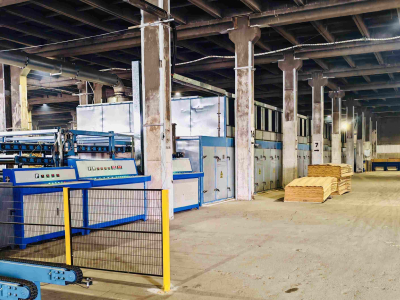
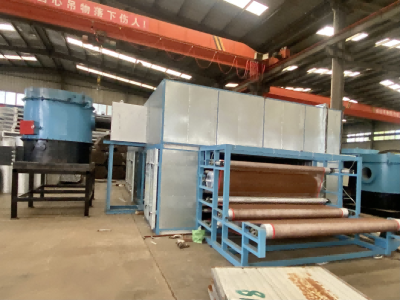
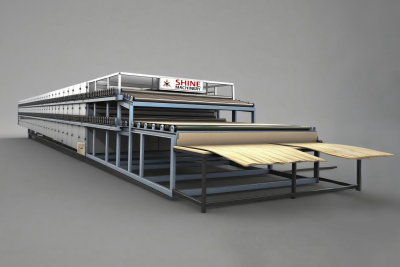
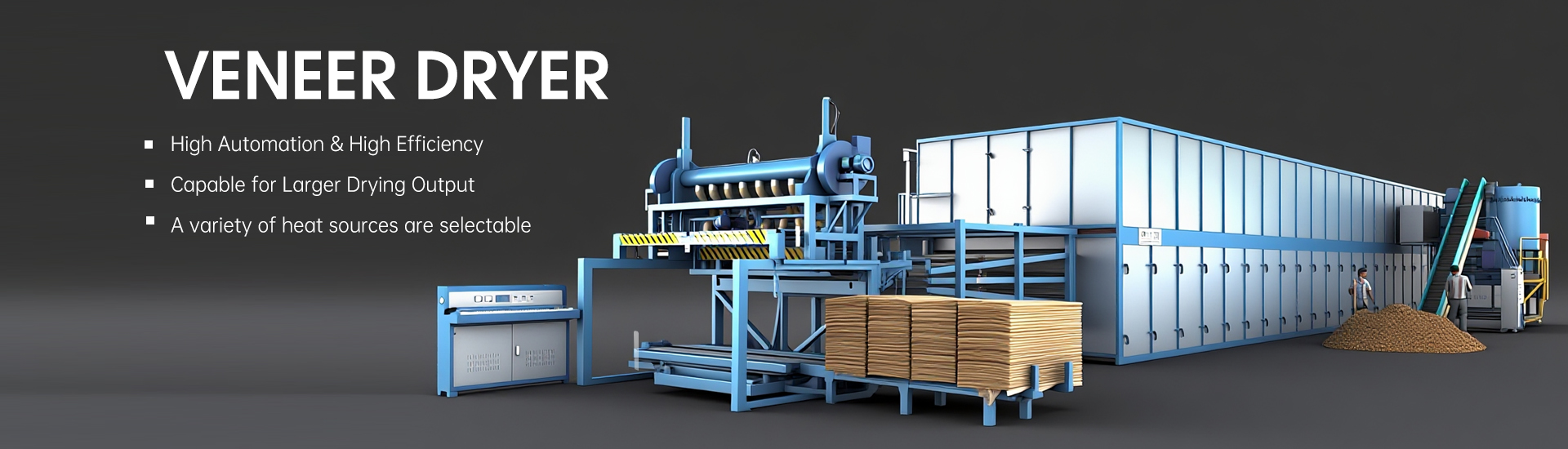
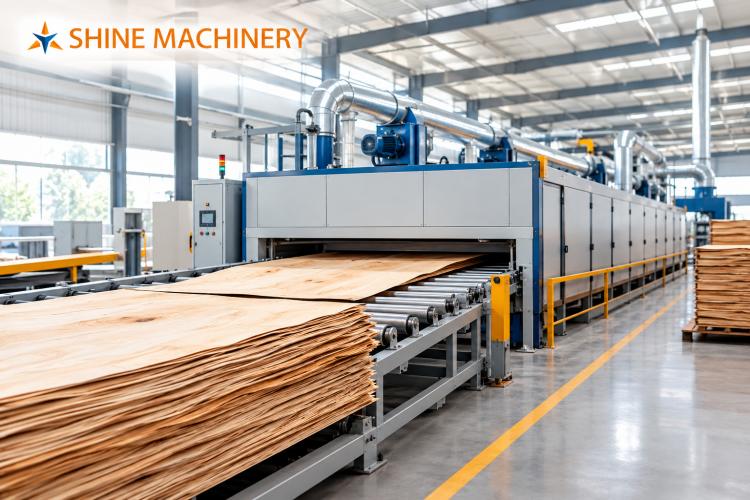
Unlike a standalone dryer, a complete drying line connects several operations into one continuous workflow. Depending on the equipment design, it may include feeding conveyors, a veneer dryer machine, discharge conveyors, and stacking equipment. Together, these components keep veneer production moving smoothly. After all, wet veneer should not become the bottleneck in an otherwise efficient factory.
How Does a Veneer Drying Line Work?
A typical drying line follows several practical stages. Each stage supports the next, helping operators maintain stable output and consistent moisture levels.
1. Veneer Feeding and Preparation
First, operators feed freshly peeled veneer sheets into the line. They may sort sheets by thickness, wood species, or initial moisture content. This preparation helps the system handle different materials more consistently. Proper feeding also reduces overlaps, jams, and unnecessary interruptions.
2. Continuous Veneer Drying
Next, the conveyor carries wet veneer through the drying chamber. Heated air transfers energy to the wood and encourages moisture evaporation. Fans circulate drying air across the sheets, while temperature and airflow settings control drying conditions.
A well-designed drying line balances heat, airflow, and conveyor speed. Excessive heat can damage delicate veneer, while insufficient drying leaves too much moisture. Therefore, operators must match drying parameters to the material and required final moisture content.
3. Discharge, Inspection, and Stacking
After drying, the system delivers veneer sheets for inspection and handling. Operators check moisture levels, surface condition, and visible defects. Automatic stacking equipment can organize finished sheets and reduce manual handling. These steps prepare the material for downstream processing and storage.
What Makes a Drying Line Resource Efficient?
Resource-efficient drying technology focuses on more than production speed. It helps manufacturers use energy wisely, reduce material losses, and maintain dependable product quality.
Several factors influence overall performance:
Airflow distribution: Even airflow helps reduce moisture differences between sheets.
Temperature control: Appropriate settings protect veneer from overdrying and surface damage.
Conveyor speed: Suitable feeding speeds give moisture enough time to escape.
Heat recovery: Compatible heat recovery systems can reuse waste heat and lower energy demand.
Equipment maintenance: Clean filters, balanced fans, and regular inspections support stable operation.
These details may seem small, but they influence daily production costs. A line that dries veneer consistently can also reduce rejected sheets and repeated processing.
How to Choose the Right Veneer Drying Line
Before selecting equipment, we recommend evaluating your production needs carefully. The right configuration depends on your factory layout, raw materials, and target output.
Consider these key questions:
Production capacity: How many cubic meters or square meters must you process daily?
Veneer specifications: What thicknesses, wood species, and sheet dimensions do you handle?
Moisture requirements: What initial and final moisture levels does your process require?
Energy availability: Which heating sources and energy recovery options suit your factory?
Automation needs: Do you need automatic feeding, discharge, sorting, or stacking?
A larger machine does not automatically deliver better results. Instead, match the equipment configuration to your actual production requirements and future expansion plans.
Build a More Efficient Veneer Production Process
A reliable drying line connects preparation, drying, and handling into one coordinated system. It helps manufacturers improve consistency, manage energy consumption, and prepare veneer for further processing. At Shandong Shine Machinery, we focus on practical drying solutions that support real factory demands.
Are you planning a new veneer production line or upgrading existing equipment? Contact our team to discuss your veneer specifications, target capacity, and drying requirements. We can help you explore a suitable configuration for your operation.