Why Does Veneer Crack During Drying?
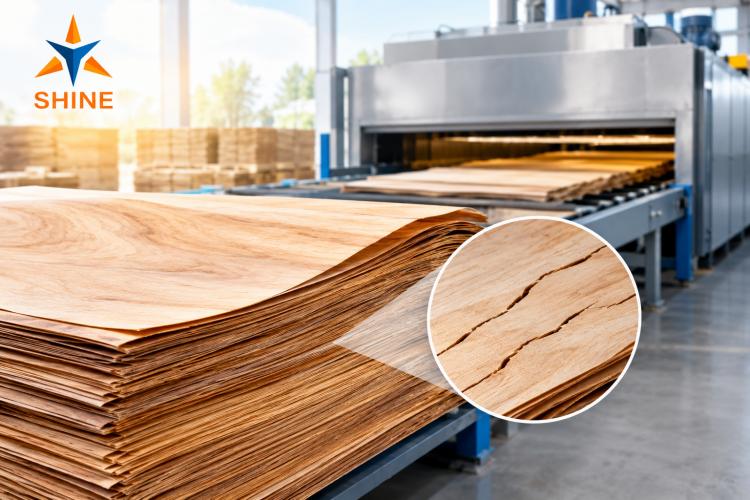
Veneer cracking can turn valuable timber into production waste. One batch looks perfect, but the next comes out full of tiny cracks. Sound familiar? At Shandong Shine Machinery, we understand how frustrating this problem can be. Successful veneer drying requires more than heat and speed. Manufacturers must control moisture, temperature, airflow, and raw material quality. In this guide, we explain why cracks develop and how to prevent them.
Why Does Veneer Crack During Drying?
The main cause is uneven shrinkage during moisture removal. Freshly peeled veneer contains considerable water. As the sheet dries, its wood fibers lose moisture and shrink. However, different areas may dry and shrink at different rates. This creates internal stress that can lead to cracks. Research also identifies moisture changes and wood structure as important factors in veneer checking.
Several factors can increase the risk:
Excessive drying temperature
Uneven airflow across veneer sheets
Incorrect drying speed
Inconsistent initial moisture content
Natural defects and existing lathe checks
Unsuitable drying settings for different wood species
The good news? Most process-related problems can improve with better control and monitoring.
Common Causes of Veneer Cracking
Excessive Temperature and Drying Speed
High temperatures help remove water quickly. However, faster drying does not always produce better results. When the surface loses moisture too quickly, it may shrink before the inner layers can adjust. This difference creates stress within the sheet. If the stress exceeds the wood's ability to withstand it, cracks may appear.
We recommend adjusting temperature and conveyor speed together. Operators should follow a suitable drying schedule instead of simply increasing the heat. A well-controlled process protects veneer quality while maintaining production efficiency.
Uneven Moisture Content
Not every sheet enters the dryer with the same moisture content. Wood species, log condition, peeling quality, and storage conditions all influence initial moisture levels. Consequently, some sheets dry faster than others.
If operators apply identical settings to materials with very different moisture levels, the results may vary. Some sheets become too dry, while others retain excess moisture. We suggest sorting veneer by species, thickness, and initial moisture whenever practical. Regular sampling also helps identify differences before they cause serious waste.
Incorrect Airflow
Airflow plays a major role in drying veneers evenly. Poor air distribution can create hot spots and uneven moisture removal. One section may dry too quickly, while another remains wet.
Operators should inspect fans, filters, air passages, and circulation components regularly. They should also check whether the dryer distributes hot air consistently across its working width. Stable airflow helps each sheet follow a more predictable drying process.
Thick Veneers and Natural Wood Defects
Thick veneers often need different drying conditions from thin sheets. Their moisture takes longer to move from the inner layers toward the surface. If the dryer removes surface moisture too aggressively, internal stress may increase.
Natural wood characteristics matter, too. Knots, irregular grain, and existing cutting checks can weaken certain areas. Therefore, manufacturers should separate visibly damaged sheets and select appropriate settings for different thicknesses. One drying recipe rarely suits every piece of wood.
How to Prevent Cracks During Veneer Drying
Preventing cracks starts with consistent materials and reliable process control. We recommend the following practical steps.
Check incoming materials. Measure moisture content and inspect sheets for existing cracks before production.
Set suitable temperatures. Adjust the drying schedule according to species, thickness, and initial moisture.
Balance airflow. Inspect fans and circulation channels to maintain even heat distribution.
Control conveyor speed. Allow enough drying time without exposing sheets to unnecessary heat.
Monitor final moisture. Test representative sheets across different dryer positions.
Maintain the equipment. Clean filters and inspect fans, sensors, and temperature controls.
Handle dried veneer carefully. Protect sheets from sudden humidity changes during cooling, stacking, and storage.
These steps help manufacturers improve consistency and reduce avoidable waste. The USDA Forest Products Laboratory also highlights moisture control as an important part of managing wood shrinkage and dimensional changes.
How the Right Dryer Helps Protect Veneer Quality
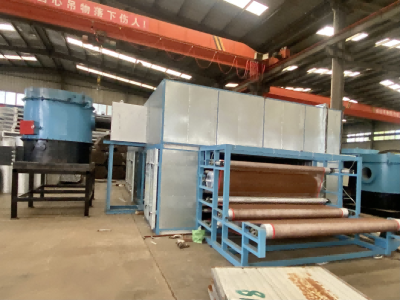
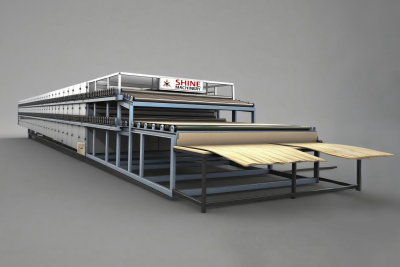
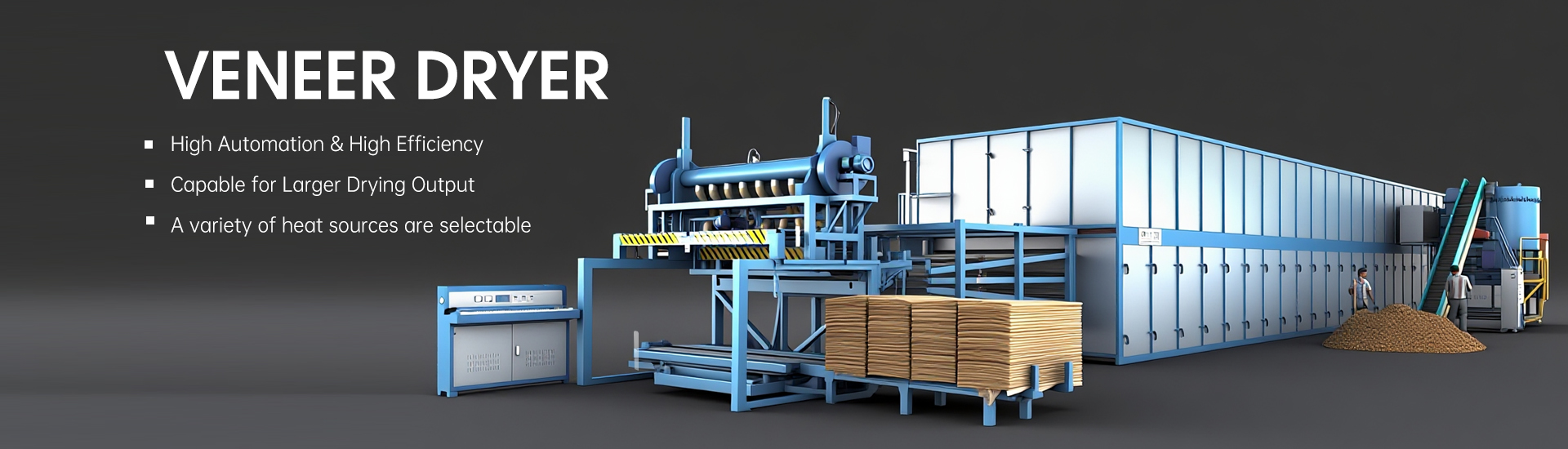
A reliable Veneer Dryer Machine helps manufacturers control the conditions that influence drying results. However, equipment selection should consider more than maximum temperature or production speed. Buyers should also evaluate airflow distribution, temperature stability, feeding speed, and moisture monitoring options.
At Shandong Shine Machinery, we believe effective drying should balance production capacity with product quality. Different wood species and thicknesses may require different operating parameters. A suitable system allows operators to adjust these parameters to match actual production needs.
Before selecting equipment, consider these key points:
What veneer thicknesses will you process?
What wood species do you commonly use?
What initial and final moisture levels do you require?
How many cubic meters must you dry per day?
Which heat sources are available at your factory?
Clear answers help equipment suppliers recommend a more suitable configuration. They also make it easier to estimate energy use and production capacity.
Conclusion: Stop Cracks Before They Start
Veneer cracks rarely have just one possible cause. Excessive heat, uneven airflow, inconsistent moisture, and natural wood defects can all contribute. Fortunately, careful inspection and stable drying conditions can reduce many preventable problems.
We encourage manufacturers to monitor every stage, from raw material preparation to final stacking. A well-adjusted drying process protects valuable wood and supports more consistent production. After all, the best way to handle cracked veneer is to prevent those cracks from forming in the first place.
Looking for a suitable drying solution? Contact Shandong Shine Machinery to discuss your veneer thickness, production capacity, and drying requirements.