Is Wood Veneer Real Wood?
Introduction: Let’s Clear the Air
We hear this question all the time: Is Wood Veneer Real Wood?
Short answer—yes, it absolutely is. Veneer comes from real trees, just sliced thinner than your favorite pizza crust.
At Shine Machinery, we work with veneer production daily. We see how a thin slice of wood transforms into stunning furniture pieces. So today, we’ll break it down, no fluff, no jargon, just real talk about real wood.
What Is Wood Veneer?
Wood veneer is a thin slice of wood cut from natural logs. Manufacturers peel or slice it carefully. The result? Beautiful veneer sheets with real grain patterns.
Unlike laminate, veneer uses genuine wood species. Oak, walnut, maple—you name it. That’s why the veneer surface looks authentic.
How Veneer Is Made
Veneer production follows a precise process:
Select premium logs
Soften wood with steam or hot water
Slice or peel thin sheets
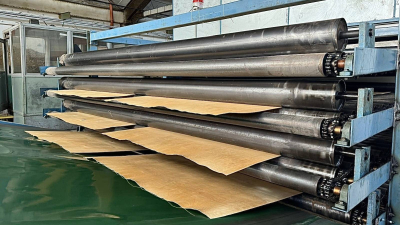
Dry the veneer
Sort by veneer quality
Each step affects the final appearance. We obsess over this part because details matter.
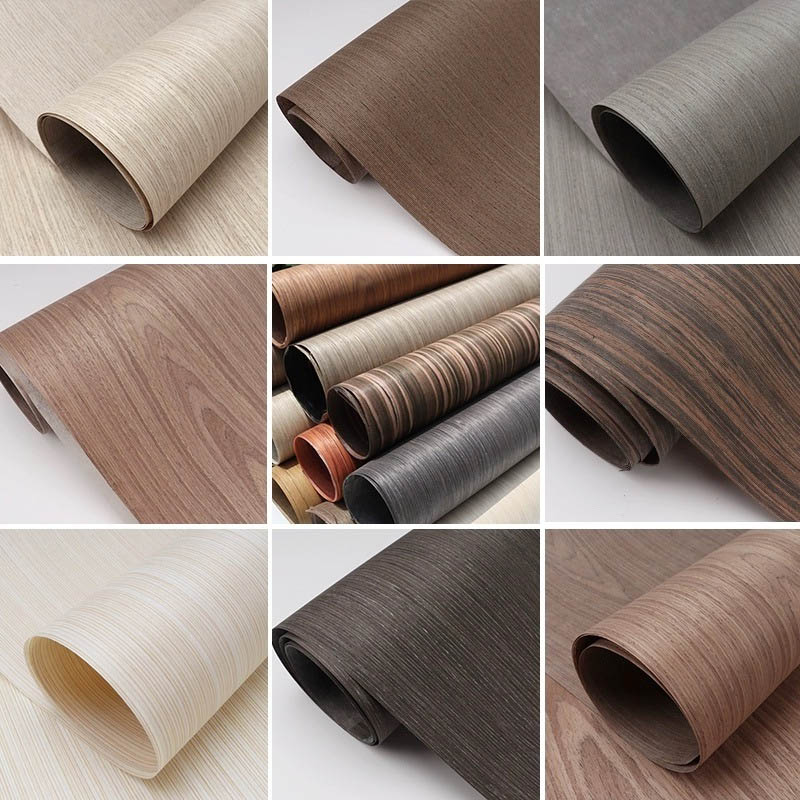
Veneer vs Solid Wood
Here’s the big difference:
Solid wood piece = one thick block of wood
Veneer furniture = thin wood layer over a core
Both use real wood. The structure just changes.
Is Veneer Real Wood or Fake?
The confusion comes from thickness. Veneer is thin. But thin doesn’t mean fake. Think of it like sliced bread. Still bread, right?
Why People Doubt Veneer
Common myths we hear:
“Veneer is plastic.”
“It peels like wallpaper.”
“It’s cheap furniture.”
Nope. Not true. High-quality veneer lasts decades when made right.
Veneer Surface = Natural Beauty
Veneer keeps the original grain. You see knots, waves, and character. That’s nature showing off.
Solid Wood Furniture vs Veneer Furniture
We love solid wood furniture. It’s strong and timeless. But veneer furniture deserves respect, too.
Pros of Solid Wood
Heavy and durable
Can be refinished many times
Feels premium
Pros of Veneer Furniture
More stable
Uses less raw wood
Lower cost
Eco-friendly
Solid wood and veneer both have roles. We choose based on function, not ego.
The Drying Process: Why It Matters
Freshly sliced veneer starts as wet veneer. That moisture must go.
If not, problems happen later.
Why We Dry Veneer
Drying removes extra water. It prevents:
Warping
Mold
Cracking
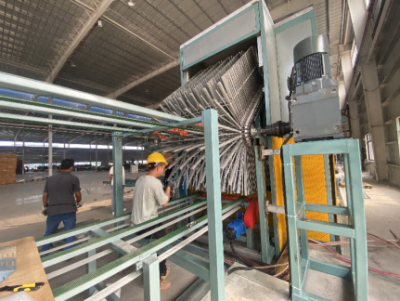
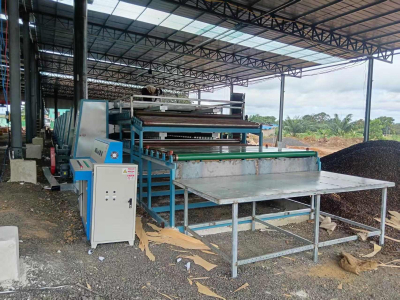
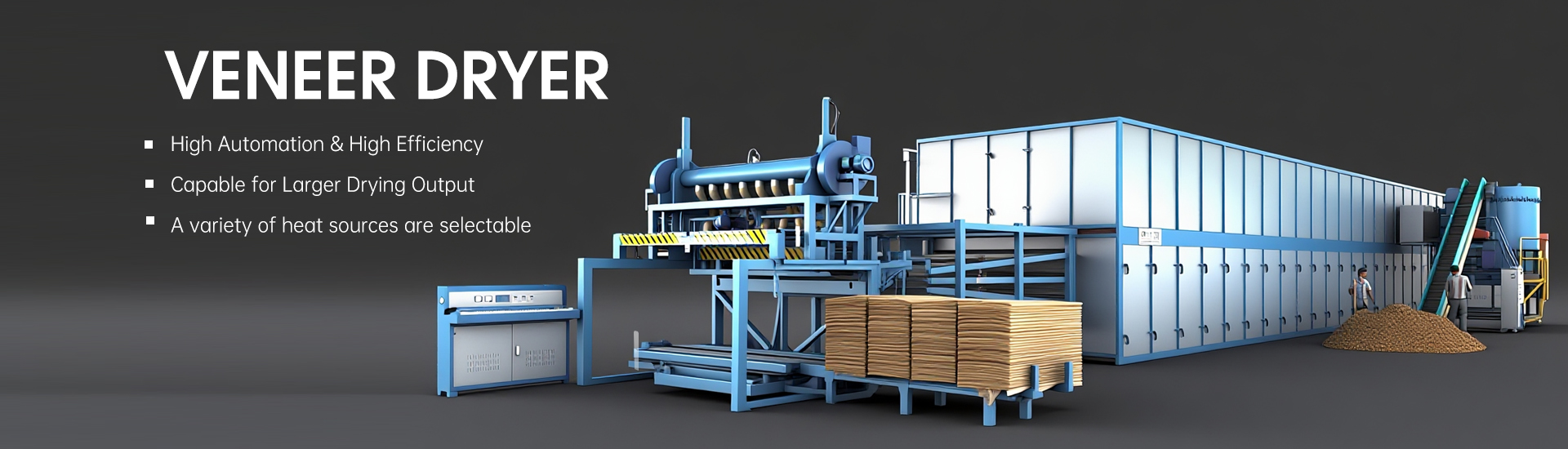
We use advanced dryers at Shine Machinery. Controlled heat = better veneer quality.
Veneer Moisture Levels
Ideal veneer moisture stays between 8%–12%.
Too wet? Trouble.
Too dry? Brittle sheets.
That balance defines high-quality veneer.
How Veneer Is Used in Furniture
You see veneer everywhere, from cabinets to office desks.
Common Veneer Furniture Pieces
Dining tables
Wardrobes
TV stands
Office desks
Hotel furniture
Each piece of furniture looks like solid wood. But inside, it’s smart engineering.
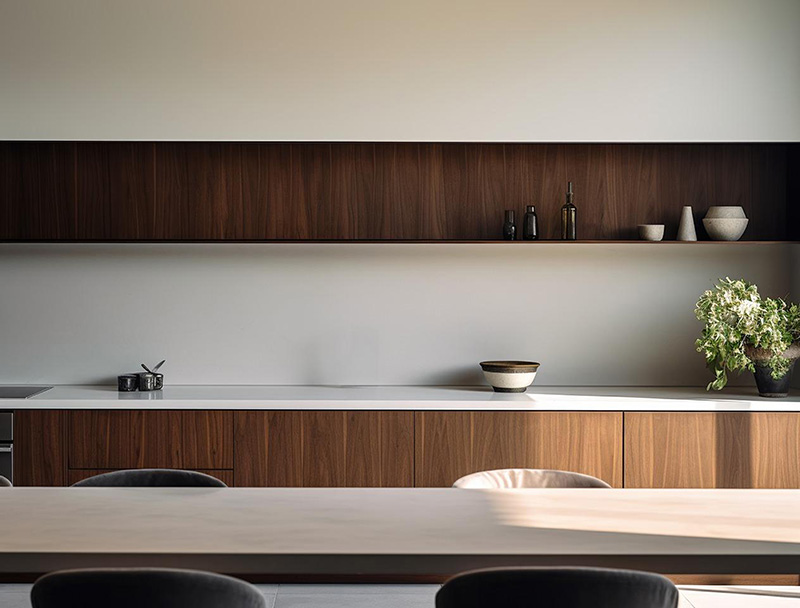
Furniture Solid Wood Look
Veneer gives:
Rich color
Natural texture
Luxury vibes
Your guests can’t tell the difference. Trust us.
Solid Wood and Veneer: A Smart Combo
Many manufacturers mix both.
Solid frames + veneer surfaces = best of both worlds.
Why This Combo Works
Saves cost
Keeps strength
Reduces cracking
Looks premium
It’s like wearing sneakers with a suit. Unexpected but brilliant.
Choosing High Quality Veneer
Not all veneer is equal.
We see good, bad, and ugly daily.
Signs of Quality Veneer
Look for:
Even thickness
Smooth surface
Consistent color
No bubbles
Clean edges
Quality veneer feels solid. Cheap veneer feels flimsy.
Best Wood Species for Veneer
Popular choices:
Walnut
Oak
Maple
Cherry
Teak
Each wood species has its own personality. Walnut feels classy. Oak feels tough.
Veneer Drying: The Silent Hero
We rarely talk about it, but drying changes everything.
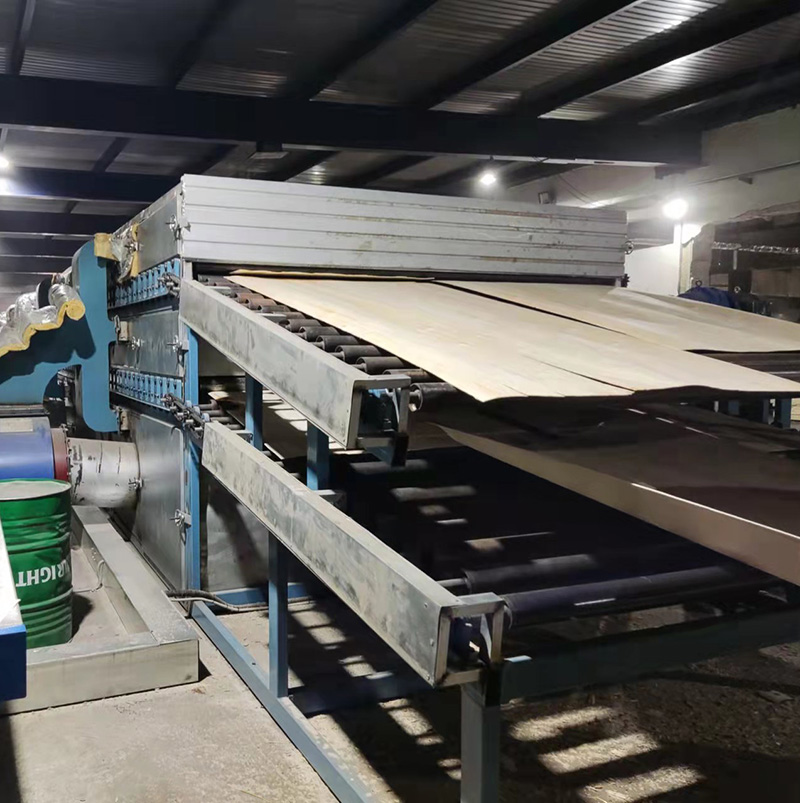
What Happens If Drying Fails?
Bad drying causes:
Curling edges
Surface cracks
Weak bonding
That’s why we invest in precision dryers. One degree off can ruin a batch.
How We Control Drying
At Shine Machinery, we:
Monitor temperature
Control airflow
Track veneer moisture
Adjust drying time
It’s part science, part art. And yes, we lose sleep over it.
Veneer vs Laminate: Big Difference
People confuse them all the time.
Feature | Veneer | Laminate |
Material | Real wood | Plastic |
Grain | Natural | Printed |
Repair | Can refinish | Hard to fix |
Feel | Warm | Cold |
Once you touch both, you’ll know.
Environmental Benefits of Veneer
Here’s the cool part. Veneer saves trees.
Why Veneer Is Eco-Friendly
Uses less wood
Maximizes each log
Reduces waste
Supports sustainability
One log can produce hundreds of veneer sheets.
That’s efficiency at its best.
Maintenance Tips for Veneer Furniture
Want it to last? Easy.
Daily Care
Wipe with a soft cloth
Avoid water spills
No harsh chemicals
Long-Term Care
Use coasters
Keep from direct sun
Control humidity
Treat it nicely. It will love you back.
Common Questions We Hear
Can Veneer Peel Off?
Yes, but only with poor glue or moisture damage.
Quality veneer stays put.
Can You Refinish Veneer?
Light sanding? Yes.
Deep sanding? Nope. It’s thin.
Is Veneer Cheaper Than Solid Wood?
Usually yes.
But premium veneer still costs money.
Our Honest Take on Shine Machinery
We work with veneer daily. We trust it.
We also respect solid wood.
Both materials serve different needs.
Your budget and style decide.
And remember—veneer is real wood. Just thinner. Like your patience on Monday mornings.
Final Thoughts
So, is wood veneer real wood?
Absolutely yes.
It comes from real trees.
It keeps natural grain.
It builds stunning furniture pieces.
Whether you choose solid wood furniture or veneer furniture, you’re choosing nature.
And that’s always a good decision.