The Drying Difference between Poplar and Beech Veneers
Two Woods, Two Drying Worlds
Mastering the Roller Veneer Dryer for Poplar and Beech Requires Opposite Strategies
In the precision-driven world of wood veneer production, the final drying stage is not merely a step; it is the decisive battleground where quality is won or lost. When using a roller veneer dryer, the approach to drying veneer sheets from different wood species cannot be more different. The soft, expansive nature of poplar presents a unique set of challenges distinct from the hard, color-sensitive character of beech. Simply put, drying poplar is a test of controlling wrinkles and cracks, while drying beech is a battle against discoloration and stress fractures. Understanding these divergent paths is the hallmark of a master craftsman.
At the heart of this divergence lie the fundamental physical properties of the wood. Poplar is a low-density, softwood (air-dry density approx. 0.3-0.5 g/cm³) with a loose, spongy fiber structure. Its Achilles' heel is a high shrinkage rate; as it loses moisture, it shrinks dramatically, making it prone to severe warping and tile-like deformation. Consequently, the primary goal for poplar is a slow, gentle water removal focused on preserving its shape, preventing physical deformation above all else.
Beech, in stark contrast, is a high-density, hardwood (approx. 0.6-0.7 g/cm³) with a dense, tightly-packed grain. Its dimensional stability is far superior, resisting warping. However, its density creates a different peril: internal stress from uneven drying can cause longitudinal cracks. More critically, beech is rich in tannic acid, which reacts with oxygen at high temperatures, causing unsightly yellowing or browning. For beech, the drying strategy must be swift and balanced to preserve its quality, focusing on preventing chemical discoloration and stress cracks.
These contrasting natures dictate completely opposite operational strategies on the roller veneer dryer.
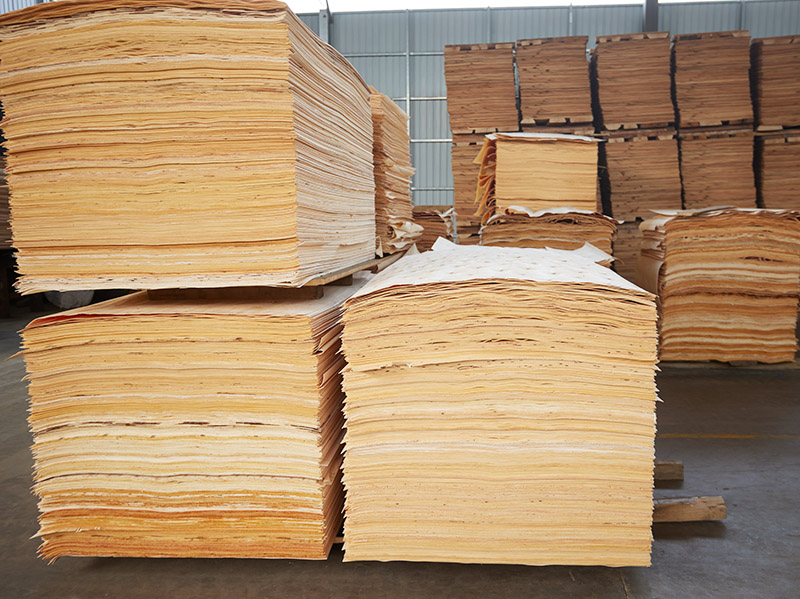
Mastering Poplar: The Art of Gentle Care
The core challenge with poplar is its "softness" and high shrinkage. The dryer’s parameters must be tuned for maximum delicacy.
Temperature Control: Low and Slow is Paramount. The process must begin with a low-temperature curve, starting the inlet temperature between 80°C - 90°C and rising gradually. A sudden blast of high heat will instantly seal the surface, trapping steam inside. As this steam expands, it ruptures the tender fibers, creating irreversible cracks. The strategy is to employ a "low temperature, high humidity" initial phase. This gently pre-heats the surface, allowing internal moisture ample time to migrate outwards, achieving a balanced dry from the inside out.
Speed and Tension: The Keys to Wrinkle Prevention. Poplar's pliable fibers are easily deformed under the pressure of the rollers and conveyor tension, leading to permanent creases. To combat this, operators should reduce roller pressure to the minimum required to prevent slippage. The conveyor tensioning system must avoid being overly tight; a micro-tension or floating tension mode is ideal. This allows the veneer sheet some adaptive space for minor imperfections rather than forcing it flat. Crucially, the veneer sheet must be perfectly flat before entering the rollers, as any tiny fold will be baked in permanently.
Humidity Management: Avoid Over-Drying. Excessive drying renders poplar abnormally brittle and stiff, causing it to snap during subsequent processing. Operators must vigilantly monitor the moisture content at the outlet, stopping the cycle once the target (typically 8%-12%, depending on use) is reached. Maintaining a degree of suppleness is beneficial for the final pressing and laminating stages.
Conquering Beech: The Science of Meticulous Guardianship
For beech, the central issues are its hardness and susceptibility to heat-induced discoloration.
Temperature Control: Vigilance Against Heat. The high tannin content means that high temperatures trigger a chemical reaction with oxygen, ruining the veneer sheet's value as a premium finish.
Airflow and Uniformity: Preventing Stress Cracks. Beech's density makes it a poor conductor of heat. Uneven hot air circulation creates localized overheating while other spots remain damp. This drastic temperature differential generates immense internal stress, leading to dangerous longitudinal cracks along the grain. The solution is twofold: intensify airflow penetration to eliminate "dead zones" and ensure every corner of the veneer sheet is uniformly heated, while simultaneously reducing peak wind speeds. Although uniformity is key, excessively high winds can physically buffet the hard surface, damaging fibers. A gentle, consistent, and uniform airflow is the target.
End-of-Cycle: Rapid Cooling for Stabilization. As beech nears dryness, it holds significant residual stress. If discharged while too hot, it will continue to warp or release stress in its stored heat. A cooling zone at the end of the dryer is essential. Here, the hot veneer sheet rapidly exchanges heat with ambient air, dropping below 40°C before being rolled up. This "locks in" the dimensions and stabilizes the stress, resulting in a flatter, more stable final product.
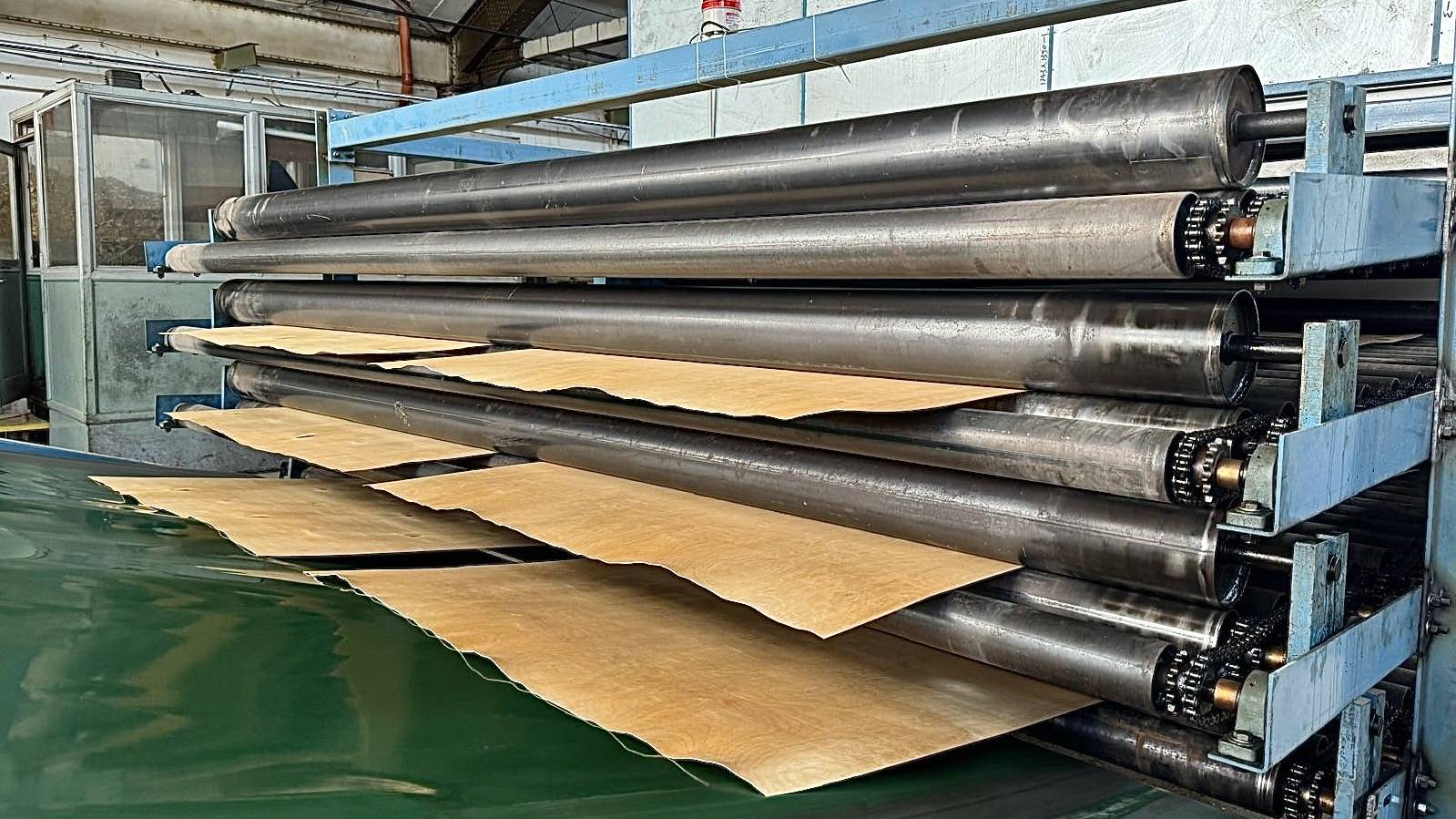
Conclusion: Respect the Material
The overarching rule is absolute: never treat poplar and beech with the same parameters. Doing so guarantees massive quantities of defective veneer sheets. Furthermore, skilled operators remain indispensable. Even with automation, periodic sampling to check for early signs of wrinkling, discoloration, or cracking is critical. Adjusting parameters on the fly is the true measure of expertise. Ultimately, drying poplar is an act of "gentle nurturing," while drying beech is one of "meticulous guardianship." Success hinges on understanding and respecting the innate character of each wood.