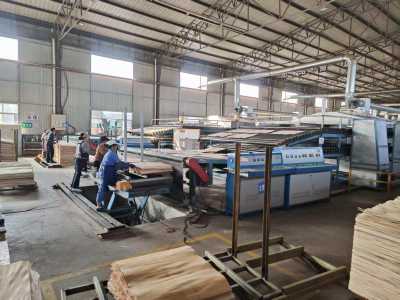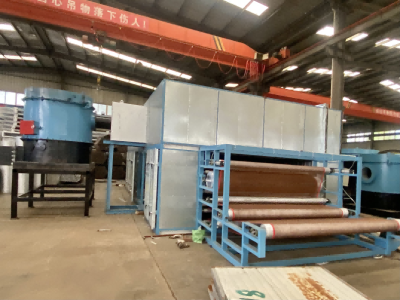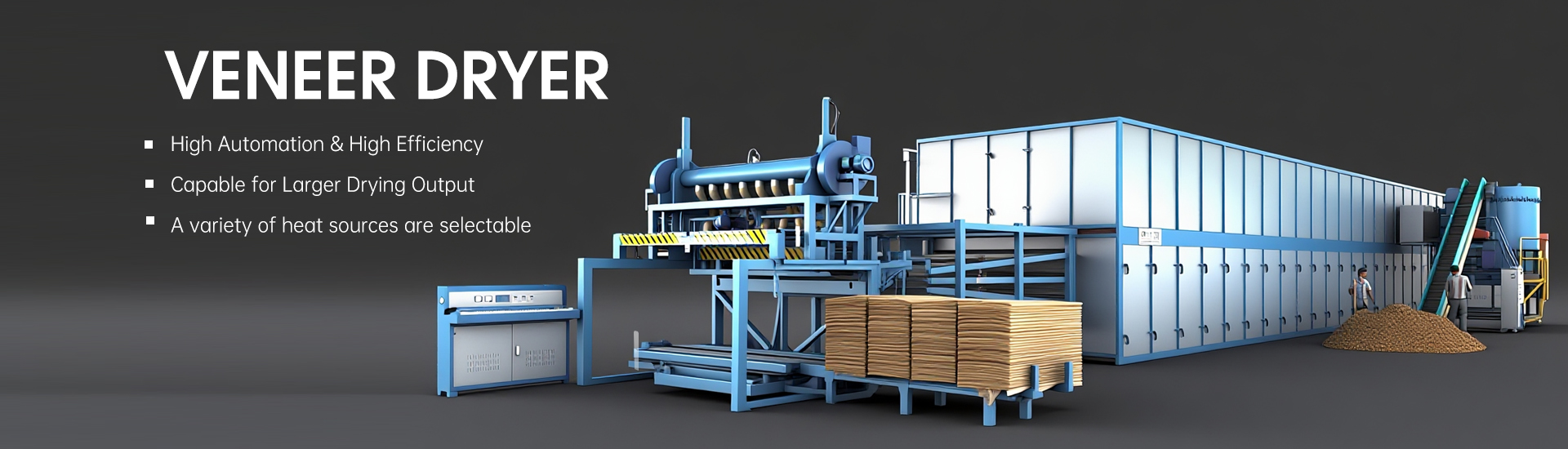
Cut Veneer Dryer Energy with Smarter Systems
Efficient veneer drying is one of the fastest ways to cut production costs in a plywood mill. By combining a well‑designed heat exchanger with the right heat‑recovery strategy, a veneer dryer can dramatically reduce fuel consumption while still delivering flat, crack‑free sheets ready for gluing.
Why heat recovery matters in veneer drying
In most plywood mills, the veneer dryer is the single largest energy user. Studies on common veneer drying machines show that drying can account for 30–50% of total mill energy use, and more than 60% of that energy leaves with the hot, humid exhaust air as sensible and latent heat. Without a heat exchanger, this energy is simply wasted.
For mills running biomass or fossil fuels, that waste shows up directly in the cost per cubic meter of dried veneer. Our field projects with biomass‑fired veneer dryers consistently demonstrate that a well‑integrated heat exchanger and heat‑recovery unit (HRU) can turn this exhaust into useful pre‑heated air, cutting fuel use without touching production speed or veneer quality.
Key loss paths worth quantifying before upgrading a veneer dryer include:
Stack exhaust temperature and flow from the veneer drying machine
Uncontrolled leaks around doors, joints and ductwork
Condensate heat losses in the heat exchanger loop
Makeup air heating requirements in cold seasons

Choosing the right heat exchanger for a veneer dryer
The heat exchanger is the heart of an energy‑efficient veneer dryer. It determines how much useful heat can be transferred from the dirty exhaust to clean incoming air or combustion air without risking contamination or pressure losses.
Heat‑pipe heat exchangers
For many roller veneer dryers, heat‑pipe heat exchangers offer an excellent balance of efficiency, footprint and reliability:
Advantages
Considerations
Plate / fin recuperators
Plate and fin‑type recuperators are also widely used in veneer drying machines:
Advantages
Considerations
Rotary wheels and desiccant hybrids
In lines where humidity control is critical, rotary regenerative wheels and desiccant hybrids can reclaim both sensible and latent heat. Desiccant wheels need a regeneration heat source, which can be conveniently provided by a biomass burner serving the veneer dryer.
Integrating biomass burners, controls and hybrid systems
For many customers, the most economical solution is to close the loop on waste. Residual wood, offcuts and sanding dust that used to be a disposal problem can become fuel for a biomass burner feeding the veneer dryer.
Our biomass veneer dryer line uses a patented burner that directly fires crushed wood waste, then transfers heat through a specially designed heat exchanger into the veneer dryer’s hot‑air system. In typical projects, this approach has delivered a composite drying cost around USD 10/m³, including fuel, electricity and labor.
Recovered heat from the exhaust can be used to:
Pre‑heat makeup air entering the veneer dryer
Pre‑heat combustion air for the biomass burner to boost efficiency
Regenerate desiccant wheels when precise humidity control is needed
Modern control strategies further reduce energy use:
Variable‑frequency drive (VFD) fans matched to real‑time load
PID control on temperature and humidity set points in each dryer zone
Interlocked burner and fan control to avoid over‑venting
Tight sealing of the veneer drying machine to minimize cold air infiltration
.jpg "Shine veneer dryer")
Operation and maintenance: protecting your investment
Even the best heat exchanger cannot deliver savings if it is allowed to foul. Veneer dryer exhaust is dusty and sticky, especially when burning biomass with high ash content, so routine monitoring is essential.
To combat fouling, Shine Machinery combines staged filtration with a patented water‑film dust removal system ahead of the heat exchanger. A rotating drum coated with a thin water film captures particles from the flue gas, reducing particulate matter by up to 99.8% before the gas reaches the exchanger surface. Exchanger panels and ducts are designed for easy access so maintenance can be completed quickly.
We recommend scheduling cleaning or inspection when you see:
A sustained >10% drop in calculated exchanger effectiveness, or
Rising fan power and pressure drop at constant throughput
What savings can you expect – and how fast is the payback?
Based on published research and our own veneer dryer installations, typical fuel‑saving ranges are:
Basic heat‑recovery ventilator: about 15% reduction in fuel use
Optimized HRU + modern controls: 25–40% practical savings
Two‑stage heat‑pipe systems: up to 50–70% of exhaust energy recoverable in suitable sites
How to move forward with your veneer dryer project
If you are planning a new veneer drying line or upgrading an existing veneer dryer, a short set of site parameters is enough for us to propose a tailored solution:
Exhaust temperature and flow from the veneer dryer
Average dust and VOC load
Annual operating hours and production targets
Current fuel type and cost
Available space for the heat exchanger and HRU
With this data we can size the right heat exchanger, select the most suitable veneer drying machine configuration, and estimate your energy savings and payback period.
Contact Shine Machinery
Tel / WhatsApp: +86 15806625431
Email: info@sdshinemachinery.com
You can also explore our equipment options here:
Thermal oil roller veneer dryer: https://www.sdshinemachinery.com/2-deck-veneer-dryer/thermal-oil-roller.html
Biomass veneer dryer and burner system: https://www.sdshinemachinery.com/4-deck-veneer-dryer/veneer-dryer-biomass.html
Automatic veneer loading system: https://www.sdshinemachinery.com/automatic-veneer/automatic-veneer-0.html