How long does it take the veneers to dry?
Drying veneer might sound simple, but trust me, it’s a craft. In our years as a Veneer Dryer Manufacturer, we’ve seen how this step defines veneer quality. If you’ve ever wondered how long it takes veneer to dry, buckle up. We’re about to get practical, technical, and maybe a bit personal.
The Basics of Drying Veneer
Drying veneer is not just about removing water. It’s about balancing speed with care.
If you rush, veneer sheets crack. If you drag, you waste time and energy. The sweet spot is getting optimized drying results. What Makes Veneer Wet in the First Place?
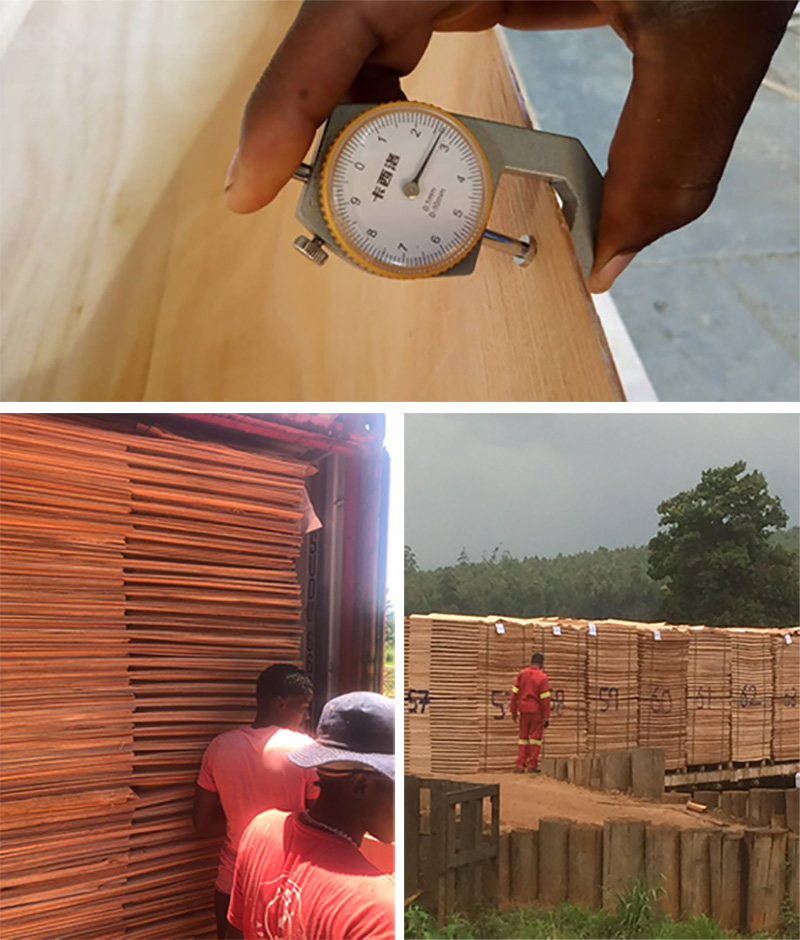
· Logs are peeled fresh, which means they’re soaked in natural sap.
· Thin sheets retain moisture, even after peeling.
· Wet veneers can hold up to 70% water, depending on species.
That’s why drying veneer matters so much. Without the right drying process, veneer production simply fails.
Why Time Matters in Veneer Drying
We get asked how long it takes veneer to dry almost daily. The truth? It depends.
Wood species, sheet thickness, and moisture content all play their part. Birch veneer sheet may dry in minutes under high heat, while thicker hardwood sheets take hours.
Factors That Influence Drying Time
Every veneer production line has its quirks. But in general, drying veneer time depends on these:
1. Thickness of Veneer Sheet
Thicker sheets take longer. A 0.5mm sheet dries in under 2 minutes, while 2.5mm sheets may need 10+ minutes.
2. Species of Wood
Softwoods dry faster than dense hardwoods. Poplar veneer might take half the time of oak veneer.
3. Initial Moisture Content
Fresh logs are like sponges. If your veneer starts at 70% moisture, drying takes longer.
4. Drying Process and Equipment
Air drying? Prepare to wait weeks. Using modern machinery? You’ll get high-quality veneer in minutes.
Drying Processes Explained
Not all methods deliver equal drying results. Let’s break it down:
Air Drying
· Old school method
· Takes weeks or months
· Low cost but inconsistent results
Sun Drying
· Popular in rural areas
· Relies on weather (which we can’t control)
· High risk of uneven veneer quality
Industrial Dryers
· Fast and optimized drying
· Consistent veneer sheet quality
· Adjustable settings for moisture content
We lean toward the third option. Not because we’re biased (okay, maybe a little), but because efficiency and quality matter.
Typical Drying Times You Can Expect
So, how long does it take the veneer to dry? Here’s a rough guide:
· Softwood veneers (poplar, pine): 3–5 minutes per sheet
· Medium hardwood veneers (birch): 5–7 minutes
· Dense hardwood veneers (oak, maple): 8–12 minutes
· Air drying wet veneers: 2–4 weeks, depending on the climate
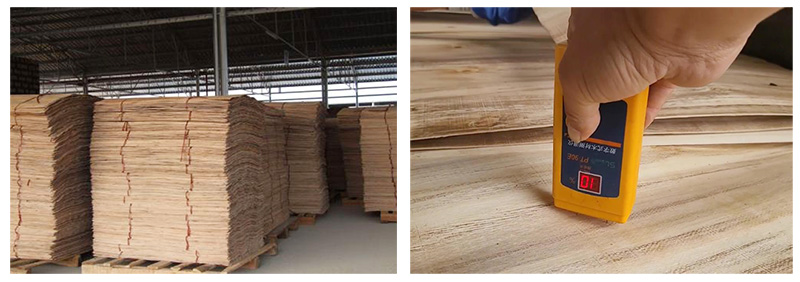
Remember, this isn’t set in stone. Operators adjust settings based on target moisture content, usually 6–12%.
Optimizing Drying for Best Results
Drying veneer isn’t just about speed. It’s about hitting that perfect balance between efficiency and veneer quality. Here are tricks we’ve learned:
Watch Moisture Content
Use sensors. Stopping at the right percentage avoids brittle or warped sheets.
Keep Heat Controlled
Too hot, and sheets darken. Too cold, and they stay wet. Balance matters.
Check Airflow
Good airflow means even drying across the sheet.
Why This Matters for Veneer Production
High-quality veneer depends on this drying stage. Poor drying results in:
· Cracking
· Warping
· Color change
· Reduced strength
Optimized drying, on the other hand, brings:
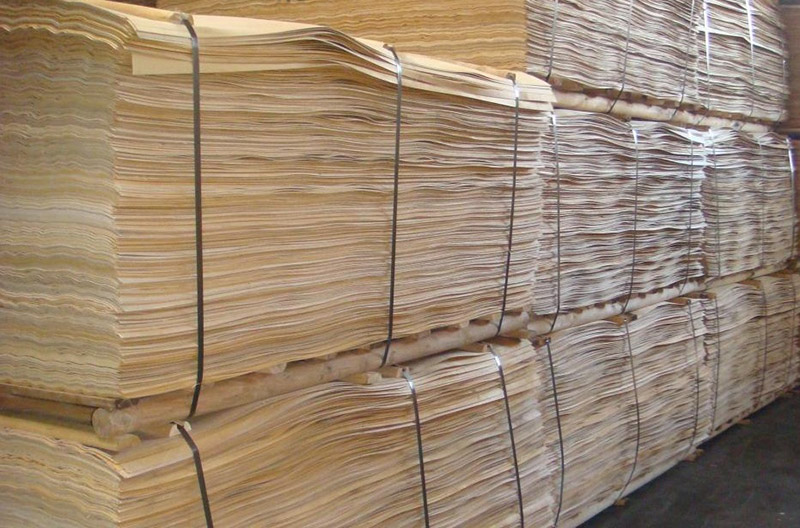
· Uniform veneer sheet color
· Consistent thickness
· Better adhesion in plywood
This is why veneer production teams often treat dryers like the heart of the factory.
Our Take on Drying Veneer
We’ve been around long enough to know that no two batches behave the same.
Drying veneer is part science, part art. The numbers and settings guide us, but intuition matters too. Sometimes you know a sheet is ready by touch. Other times, machines do the talking. And yes, we still get excited seeing wet veneers transform into perfect, smooth sheets. Maybe it’s nerdy, but to us, that’s magic.
Final Thoughts
So, how long does veneer take to dry? It depends, but with the right drying process, you can achieve high-quality veneer in minutes, not weeks. For us, nothing beats the satisfaction of optimized drying results, turning raw, wet veneers into sheets ready for world-class veneer production. If you’re in this industry, you know one thing: drying is where the magic happens. And if you ask us, it never gets old.