Is Veneer Actually Real Wood?
Introduction: A Question We Hear All the Time
We hear it at trade shows. We hear it in our inbox. “Is veneer actually wood?” Some people swear it is. Others think veneer is fake and cheap.
The truth sits somewhere between myth and reality. And trust us, once you know how veneer works you may never look at your favorite furniture pieces the same way again.
We build veneer dryers for a living. Drying veneer is our bread and butter. So when people doubt the quality of veneer sheets, we feel the urge to clear the air. Veneer products are misunderstood, but they also hold secrets that even seasoned furniture buyers miss.
What Is Veneer Actually Made Of?
Here’s the quick answer: veneer is real wood. It comes from slicing thin sheets off a solid piece of wood. These thin layers then get bonded to stronger bases like particle board or MDF. That’s how we end up with veneered furniture.
· Solid wood pieces are whole chunks cut from trees.
· Veneer sheets are thin slices, often under 3mm.
· Veneered furniture blends real wood veneer with engineered boards.
So yes, veneer is natural wood, but it’s not the same as solid wood furniture.Solid Wood vs Veneer: Spotting the DifferencePeople often mix up solid wood and veneer. At first glance, both look identical. But dig deeper:
· Grain pattern in veneer may repeat because slices are stacked in order. Solid wood grain stays unique.
· Weight gives away the truth. A heavy piece of furniture often means solid wood pieces.
· Edges tell the story. Look at the corners. A veneer sheet stops, while solid wood grain wraps naturally.
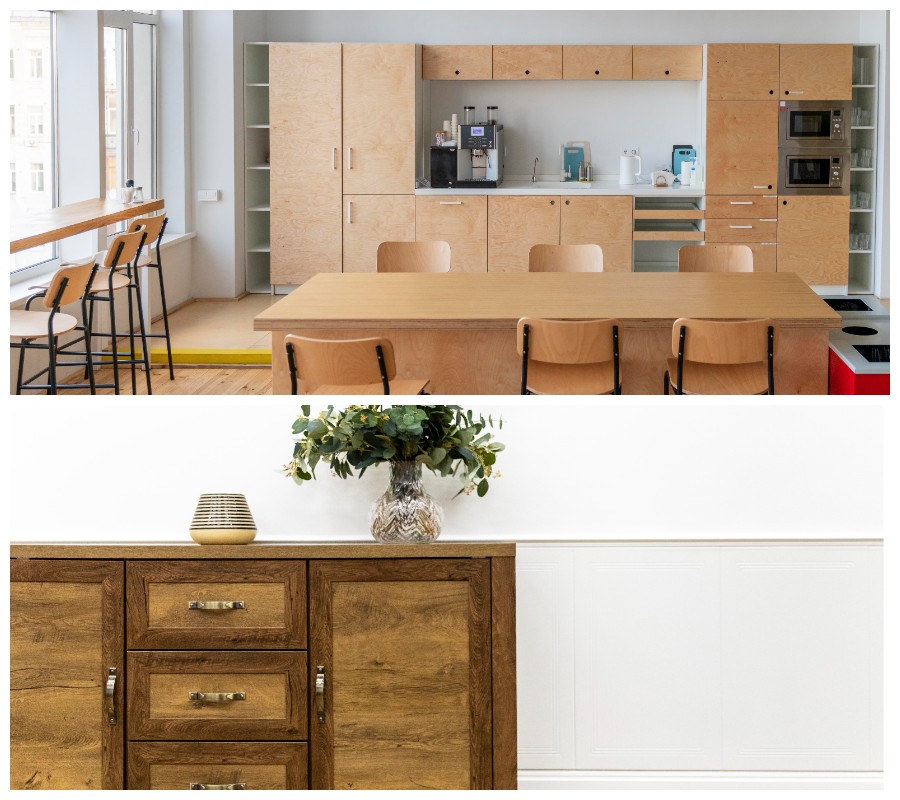
Here’s the twist: high quality veneer can look better than solid wood. Why? Because a skilled craftsperson can align veneer patterns to create stunning furniture pieces that would cost a fortune in solid wood.
How the Drying Process Shapes Veneer Quality
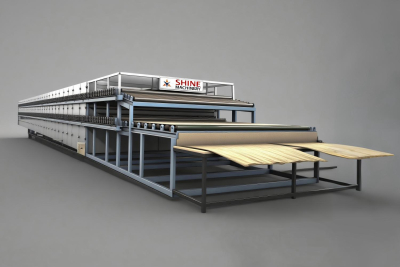
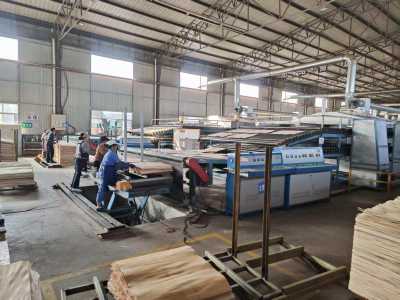
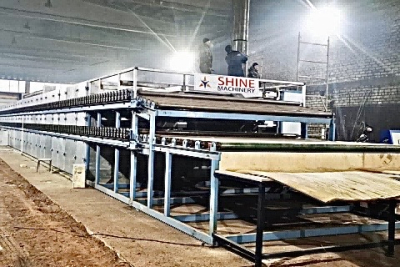
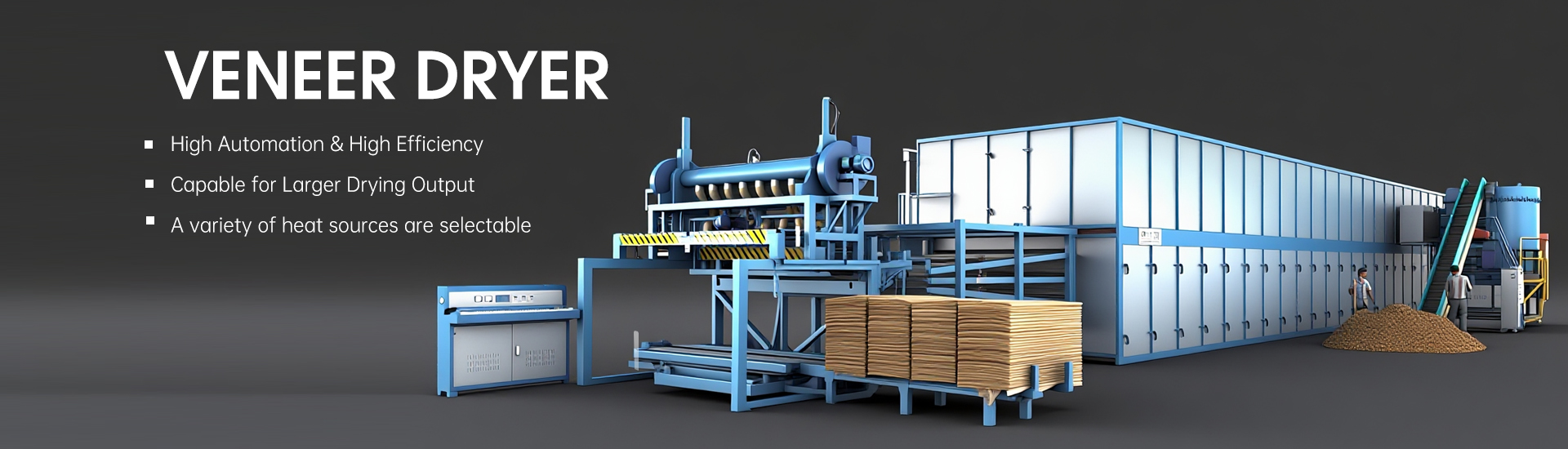
We cannot talk veneer without mentioning the drying process.
Why? Because dried veneer determines veneer quality. If the veneer sheet is too wet, glue will not bond. Too dry and it cracks.
Our machines handle this step. A proper drying result ensures:
1. Stable veneer sheets
2. Less warping in furniture pieces
3. Stronger bonds with particle board
4. Long-lasting real wood veneer look
We see exotic woods pass through our dryers daily. Walnut, teak, and even rare species. Each sheet needs unique care. That’s where drying technology matters most.
Why Furniture Makers Love Veneer Products
Here’s a secret. Most luxury furniture is not 100% solid wood. Even brands that brag about natural wood use veneer products. And for good reasons:
· Cost savings: Exotic woods are rare. A full table of mahogany would cost a fortune. With veneer, you only need thin slices.
· Stability: Solid wood moves with humidity. Veneered furniture stays stable.
· Design freedom: Makers can match grain pattern across large surfaces. Try doing that with solid wood pieces.
The result is stunning furniture that lasts, looks rich, and doesn’t break the bank.
Is Veneer Fake or High Quality?
Some people call veneer cheap. We call that unfair. Veneer quality depends on three things:
· The source of the natural wood
· The skill of slicing and pressing
· The drying process behind each veneer sheet
Low-quality veneer cracks, peels, and looks dull. High quality veneer, especially real wood veneer, can rival any solid piece of wood in beauty and strength.
So no, veneer is not fake. It is smart woodworking.
The Role of Veneer in Modern Furniture Pieces
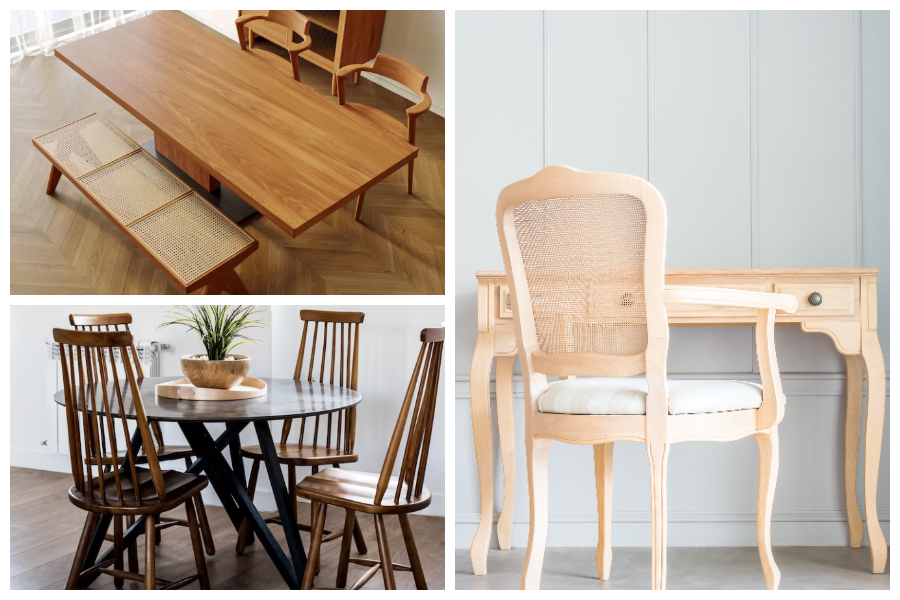
Walk into any showroom. You’ll spot veneered furniture everywhere. From sleek office desks to cozy dining tables. Why? Because veneer opens creative doors.
· Large panels without gaps
· Exotic woods at affordable prices
· Furniture pieces that look custom-built
We’ve worked with cabinet makers who use dried veneer to mimic entire forests on one kitchen wall. It’s art disguised as carpentry.
Solid Wood Furniture vs Veneered Furniture: Which Should You Choose?
Here’s the million-dollar question: which is better?
· Choose solid wood furniture if you want heirloom-quality, heavy furniture that can last generations.
· Choose veneered furniture if you want design flexibility, exotic looks, and lighter costs.
We admit it. We love both. Each has its place. The trick is knowing your lifestyle.
Do you move often? Veneered furniture might be smarter. Do you want a table your grandkids inherit? Go solid wood.
Conclusion: Veneer Deserves More Respect
So, is veneer actually wood? Yes, it is. A veneer sheet is real wood, pressed thin and supported by smarter structures. Veneer products may sit on particle board, but their faces are genuine, high quality natural wood. We’ve seen dried veneer transform into timeless furniture pieces. We’ve touched exotic woods that shine brighter as veneers than they ever could as clunky solid wood pieces. And we believe veneered furniture deserves more credit. Next time you see a piece of furniture that steals your breath, don’t dismiss it if it’s veneered. Behind that grain pattern lies a clever mix of natural wood beauty and modern engineering.