What Is Commercial Plywood?
Commercial plywood is one of the most widely used wood-based panels in furniture, construction, and interior decoration. It offers a practical balance between cost, strength, and flexibility. But what exactly makes commercial plywood different from other plywood products? And why does veneer quality matter so much during manufacturing? In this guide, we explore its structure, production process, applications, and key characteristics.
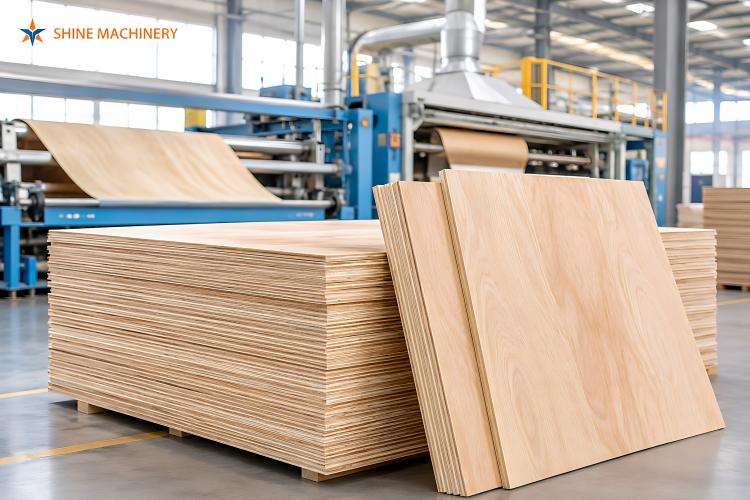
What Is Commercial Plywood?
Commercial plywood is an engineered wood panel made by bonding multiple thin wood veneers together. Manufacturers arrange these veneers in alternating grain directions to improve stability and strength. They then use adhesive and heat to create a solid panel. Compared with premium plywood grades, commercial plywood usually focuses on affordability and practical performance.
Most commercial plywood products serve furniture, cabinetry, interior decoration, and general construction. Their appearance, thickness, bonding strength, and moisture resistance depend on the raw materials and manufacturing standards. Although commercial plywood may not offer premium surface finishes, it provides excellent value for many everyday projects.
How Do Manufacturers Produce Commercial Plywood?
Commercial plywood production involves several important stages. Each step affects the final panel's strength, appearance, and dimensional stability.
1. Log Preparation and Veneer Peeling
Manufacturers first prepare logs by removing bark and conditioning the wood. They then use a rotary peeling machine to produce thin veneer sheets. The peeling process controls veneer thickness and surface consistency. Stable thickness helps manufacturers achieve better bonding and more consistent finished panels.
2. Veneer Drying
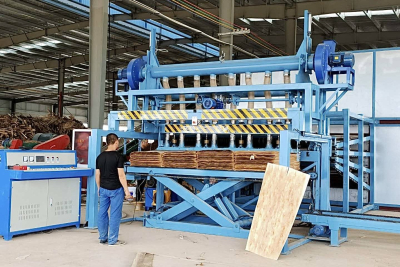
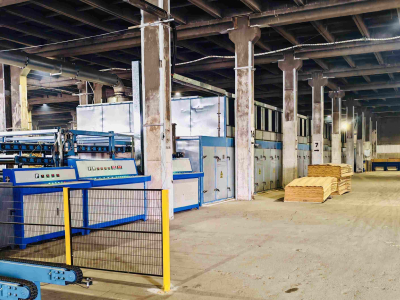
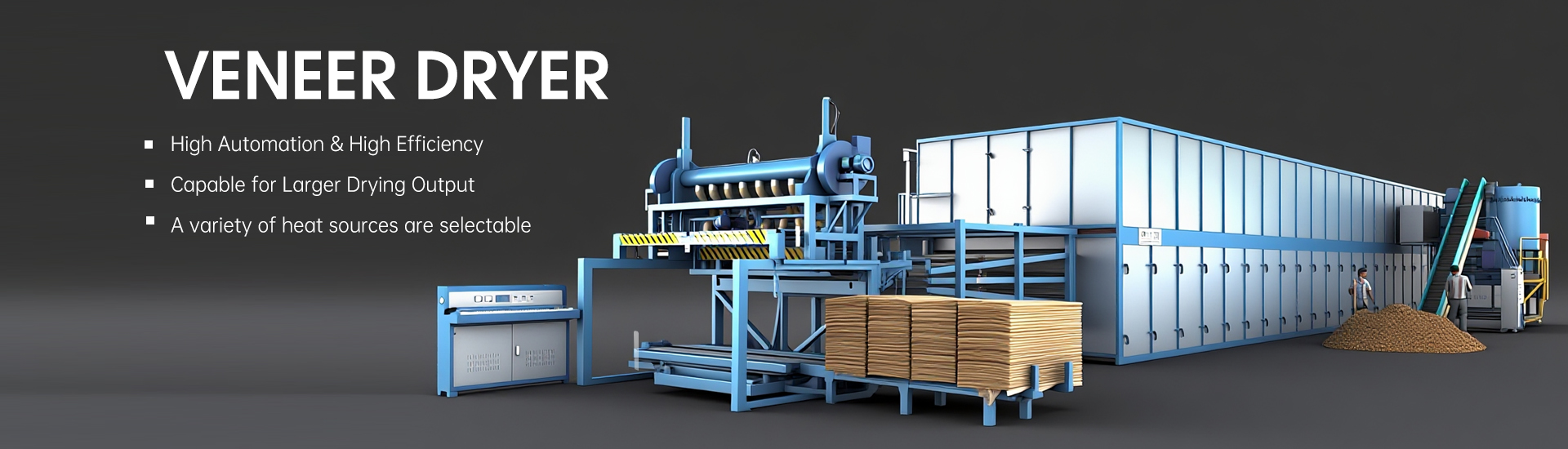
Freshly peeled veneer contains considerable moisture. Manufacturers must reduce its moisture content before applying adhesive and assembling plywood panels. A Veneer dryer helps remove excess moisture while maintaining veneer flatness and flexibility.
During drying, operators control temperature, airflow, and feeding speed. Excessive heat may cause cracks, shrinkage, or brittleness. Insufficient drying may weaken bonding and increase production problems. Therefore, a reliable Veneer dryer machine plays a critical role in improving veneer quality and reducing material waste.
3. Veneer Grading and Glue Application
After drying, workers or automated systems inspect veneers for defects. They separate veneers according to appearance, thickness, and intended application. Manufacturers then apply adhesive to selected veneer surfaces and arrange them into layered assemblies.
4. Hot Pressing and Finishing
The assembled veneer layers enter a hot press. Heat and pressure help the adhesive bond the layers into a stable panel. After pressing, manufacturers trim the edges, sand the surfaces, and inspect the finished plywood. Good process control helps deliver high quality panels with consistent thickness and reliable bonding.
Common Types of Commercial Plywood
Commercial plywood comes in different grades, thicknesses, and material combinations. The appropriate type of plywood depends on its application, budget, and environmental conditions.
Hardwood Commercial Plywood
Hardwood plywood often uses veneers from hardwood species or mixed wood sources. Manufacturers commonly use it for furniture, cabinets, shelves, and interior panels. Its surface offers a suitable base for laminates, paint, or decorative finishes.
Softwood Commercial Plywood
Softwood plywood typically uses species such as pine or other softwoods. It often serves construction, packaging, and general-purpose applications. Buyers should check its strength, surface grade, and bonding specifications before choosing it.
Mixed-Core Commercial Plywood
Some manufacturers combine different wood species to balance cost and performance. They may use different veneer grades across the face, core, and back layers. This structure allows manufacturers to control material costs while meeting specific production requirements.
Where Is Commercial Plywood Used?
Commercial plywood supports many industries because it offers convenient processing and practical performance. Its applications include:
Furniture manufacturing: Wardrobes, tables, cabinets, beds, and office furniture.
Interior decoration: Wall panels, partitions, decorative surfaces, and ceiling applications.
Construction: General interior construction and suitable non-specialized panel applications.
Packaging: Crates, boxes, and industrial packaging solutions.
DIY projects: Shelves, workbenches, storage units, and household improvements.
However, commercial plywood does not suit every environment. Outdoor applications, wet areas, and structural projects require suitable grades and certified specifications. Buyers should always verify adhesive type, moisture resistance, and applicable standards.
What Determines Commercial Plywood Quality?
Several factors influence the final performance of commercial plywood. Raw material selection, veneer thickness, adhesive quality, and pressing conditions all matter. However, veneer moisture control deserves particular attention.
Uneven moisture content can create uneven shrinkage and internal stress. These problems may lead to warping, cracks, or weak bonding. Meanwhile, poorly dried veneers can increase adhesive consumption and reduce production efficiency.
At Shandong Shine Machinery, we believe consistent veneer drying forms an important foundation for plywood manufacturing. A properly designed drying system helps manufacturers control moisture levels and improve production consistency. It also helps reduce waste and supports more efficient downstream processes.
Conclusion
Commercial plywood offers an affordable and versatile solution for furniture, interior decoration, construction, and packaging. Its performance depends on veneer selection, drying conditions, adhesive quality, and manufacturing control. Understanding these factors helps buyers choose suitable panels and helps manufacturers improve production results.
For plywood manufacturers, investing in reliable veneer drying technology can make a meaningful difference. Better moisture control supports stable production, improves veneer utilization, and helps create more consistent finished products.