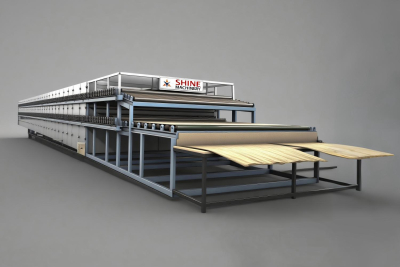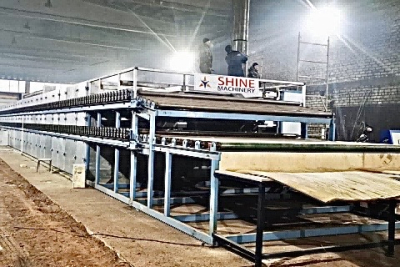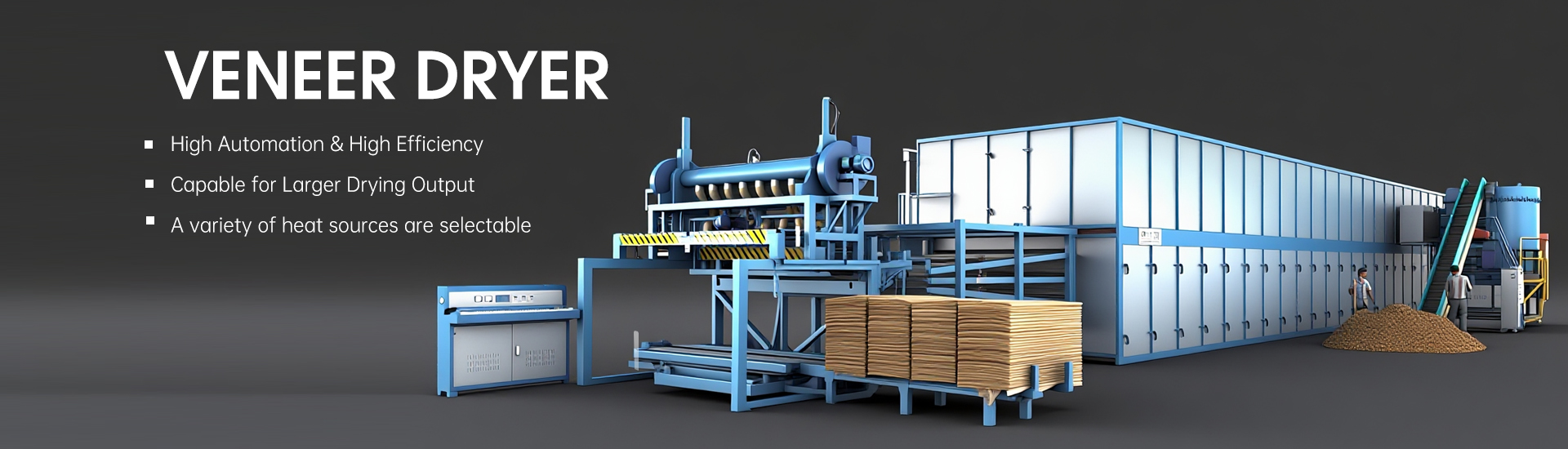
Why Choose Veneer Dryer with Heavy Roller
Heavy Roller Dryers Ensure Superior Veneer Quality
In the competitive world of wood processing, the choice of drying equipment plays a pivotal role in determining the final product quality and operational efficiency. Recent feedback from leading manufacturers underscores a critical trend: the preference for heavy-duty roller veneer dryers, specifically those with substantial roller weight, is becoming the industry standard for high-quality wood veneer production.
The core of an efficient roller veneer dryer lies in its rollers. Heavy rollers, typically constructed from high-quality thick steel or cast iron, offer significantly greater thermal mass compared to their lighter counterparts. This inherent thermal mass acts as a “heat battery,” storing substantial thermal energy during operation. Even when facing minor fluctuations in the heat supply or brief interruptions in veneer feeding, these massive rollers can maintain a remarkably consistent temperature. This stability is paramount for uniform heat transfer throughout the drying process.
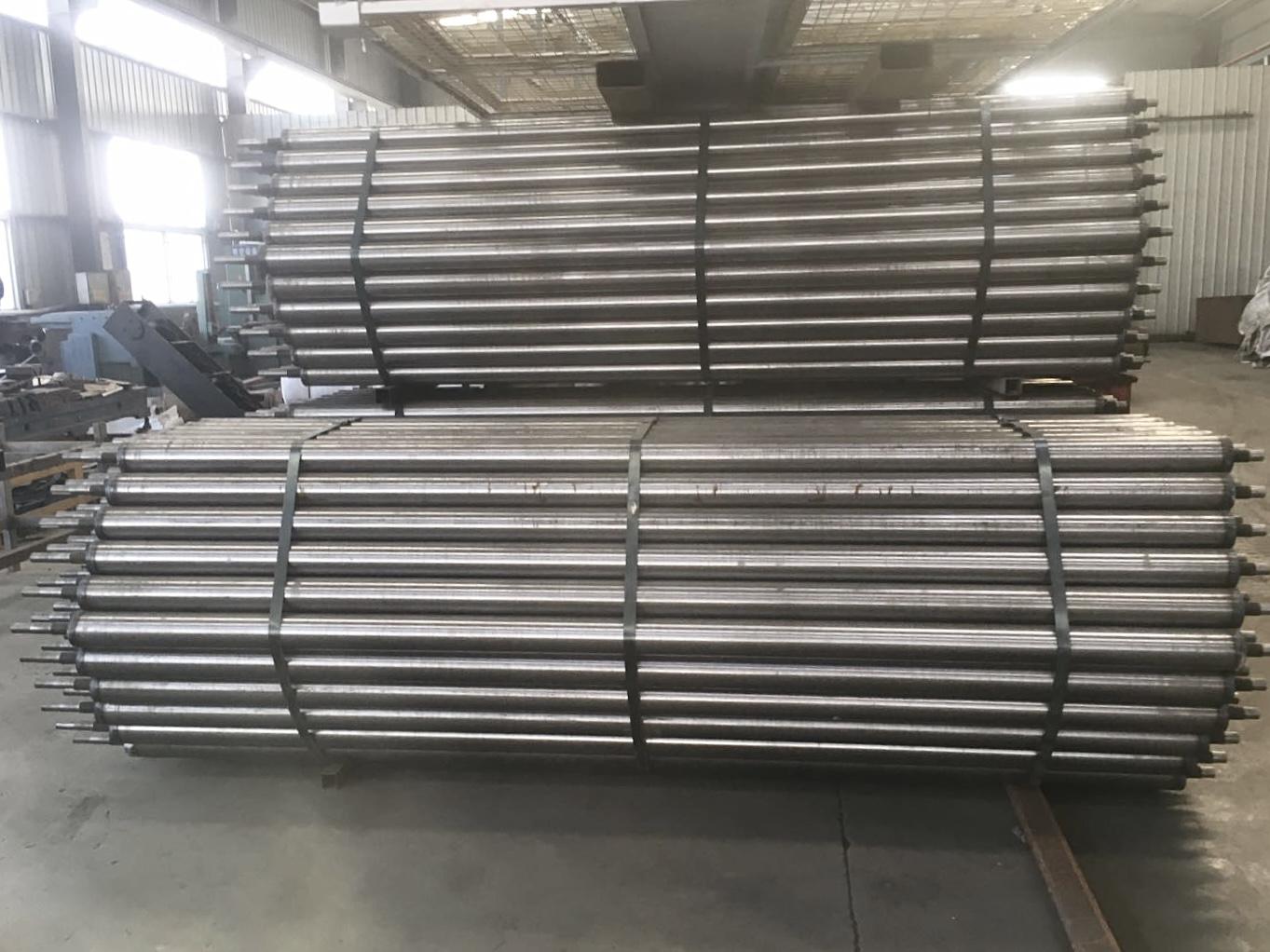
The necessity for consistent heat transmission cannot be overstated. When wet, cold wood veneer enters the dryer, it causes a rapid local temperature drop. Lightweight rollers struggle to compensate for this change, leading to uneven drying where some sections may be over-dried and brittle while others remain unacceptably damp. The robust thermal inertia of heavy rollers effectively resists this temperature shock, ensuring every sheet of veneer contacts a roller at a stable, consistent temperature from inlet to outlet. This results in a uniformly dried product with superior integrity.
Beyond thermal stability, the structural rigidity of heavy rollers is equally crucial. Long rollers are susceptible to deflection (bending) under their own weight and the pressure of the veneer. Heavy-duty rollers are engineered with stronger axles, thicker walls, and sturdier bearings to combat this. This enhanced rigidity ensures all rollers maintain perfect parallelism across the entire working width. Any deviation due to bending can cause uneven surface pressure on the veneer, leading to wrinkles, compression marks, or even tears. It also places uneven load on the drive system, accelerating wear and tear.
Furthermore, the significant weight of these rollers provides powerful traction and a pressing effect. As the wood veneer shrinks during drying, it generates substantial tension. The sturdy drive system of a heavy dryer delivers strong, smooth traction, preventing the veneer from slipping or deviating from its path. Moreover, the heavy rollers act like a powerful iron, effectively eliminating wrinkles and waves that may have formed before drying. This ensures the finished veneer is perfectly flat and smooth, providing an ideal substrate for subsequent downstream processes like splicing and laminating.
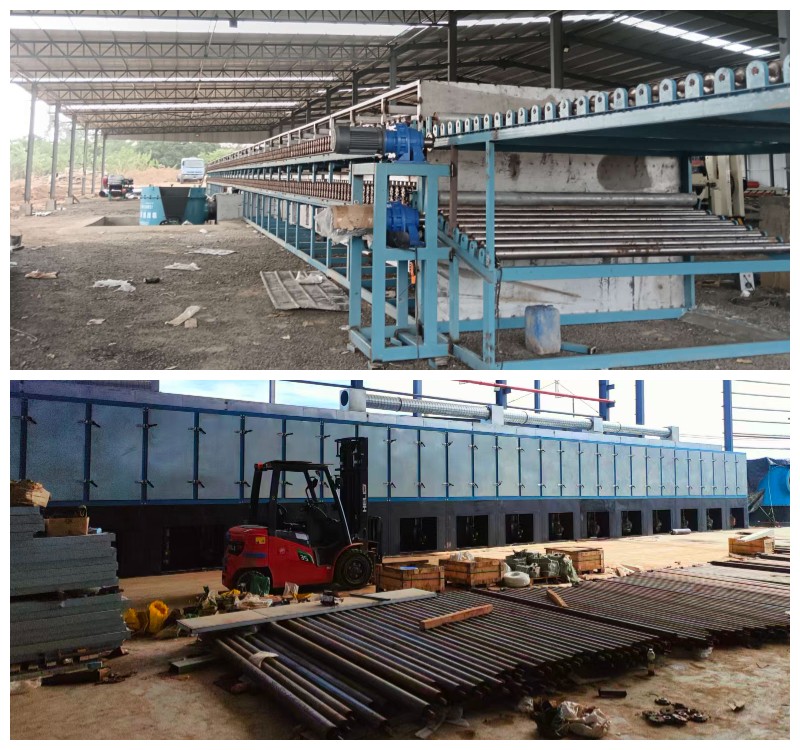
Durability and long-term reliability are another cornerstone of the heavy-duty design. Built from premium materials to withstand the harsh environment of long-term exposure to high temperatures and humidity, these dryers exhibit superior resistance to fatigue, wear, and corrosion. While the initial investment might be higher, the extended service life and reduced downtime for repairs translate to a lower Total Cost of Ownership (TCO) over the equipment's lifespan. This makes them a more economical and reliable choice in the long run.
A project manager at a large mill in North America, who recently opted for a heavy-duty roller dryer, confirmed this advantage: "We were looking for consistency and uptime. The thermal stability from the heavy rollers has eliminated dry spots and defects, significantly boosting our yield. Its robustness has minimized maintenance issues, ensuring we meet our production targets reliably."
In conclusion, the weight of the rollers in a roller veneer dryer is far from a mere specification; it is a fundamental indicator of the machine's performance, quality, and durability. For producers aiming for superior wood veneer quality, enhanced operational efficiency, and reduced long-term costs, investing in a heavy-duty roller veneer dryer is a strategically sound decision.