Why Veneer Manufacturers Avoid Sun Drying?
Veneer Dryer: Upgrade for Manufacturers
In the competitive landscape of the wood processing industry, the method of drying veneer is a critical determinant of final product quality and operational efficiency. For decades, some veneer manufacturers have relied on natural sun drying, attracted by its seemingly zero energy cost. However, industry analysis and practical experience increasingly show that sun drying is a bottleneck that limits growth, compromises quality, and introduces unnecessary risks. Today, the shift toward using a professional veneer dryer is not merely a trend but a necessary upgrade for any veneer manufacturer aiming for industrialization, standardization, and high-quality output.
The primary drawback of sun drying lies in the uncontrollable natural environment. When a veneer manufacturer chooses to dry veneers under the sun, the process is entirely at the mercy of weather conditions. Sunlight intensity varies throughout the day, and factors like sudden rain, high humidity, or cloudy skies can delay drying times from hours to several days. This inconsistency makes production schedules unpredictable. More critically, the direct exposure to sunlight often causes uneven drying; the side facing the sun dries faster than the shaded side, leading to internal stress within the thin wood slices. Consequently, veneers frequently suffer from warping, curling, end-wrapping, and cracks. These defects significantly reduce the yield of first-grade veneers, forcing the veneer manufacturer to either discard the material or sell it at a much lower price, ultimately hurting profitability.
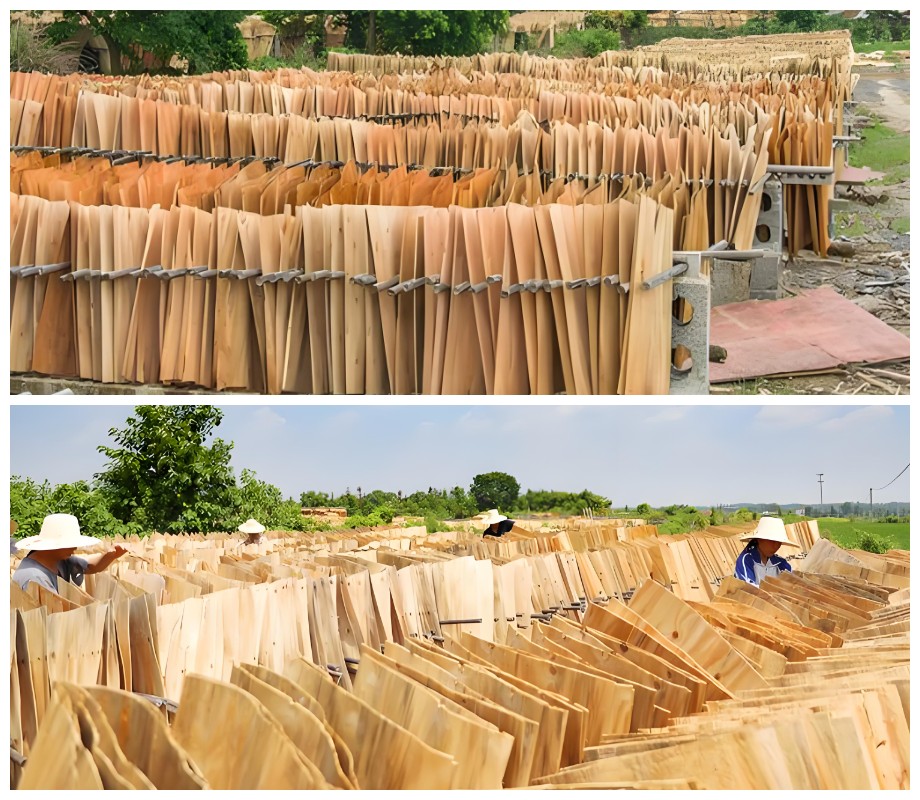 Furthermore, sun drying requires vast open spaces. As a veneer manufacturer scales up production, the area needed for laying out veneers becomes enormous, occupying valuable land that could be used for production facilities or storage. It also demands high manual labor for spreading the veneers in the morning and collecting them before evening or rain, leading to increased labor costs and low efficiency. The veneers are also exposed to environmental contaminants such as dust, sand, insects, and bird droppings, which degrade the surface quality and are particularly unacceptable for high-end furniture or plywood applications.
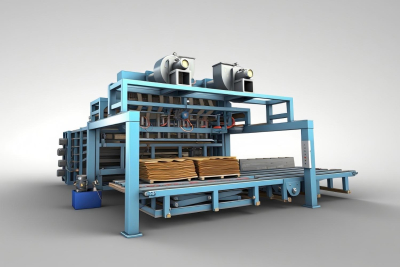
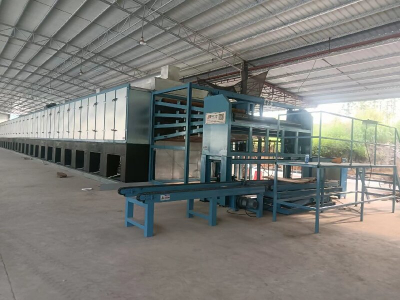
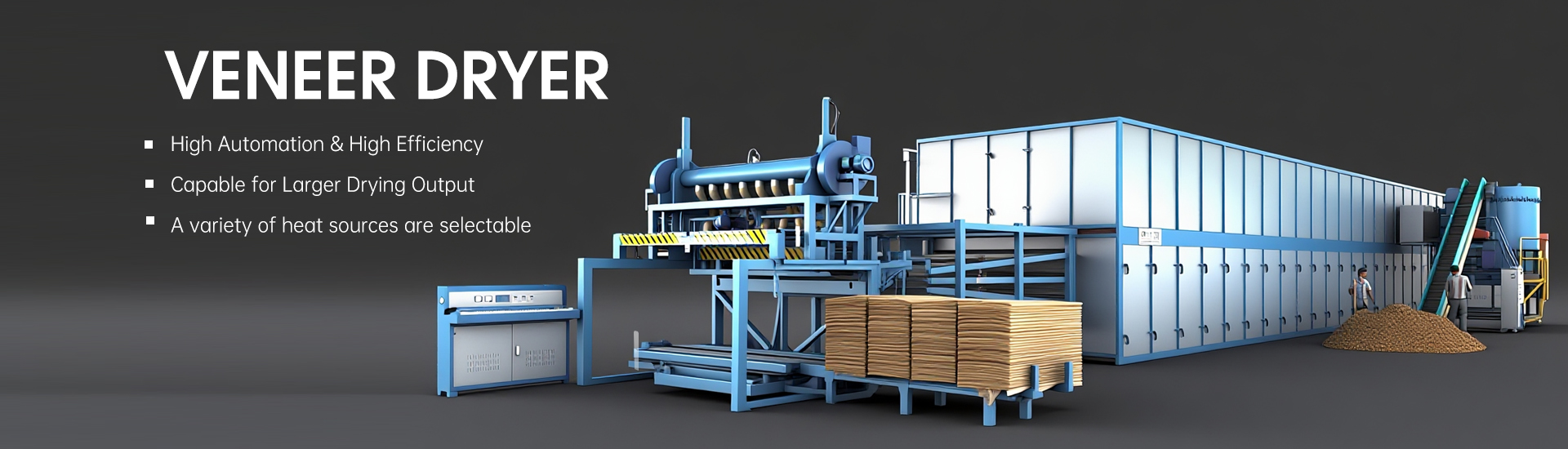
In stark contrast, the adoption of a modern veneer dryer resolves these issues comprehensively. A veneer dryer operates in a controlled indoor environment, completely isolated from external weather fluctuations. This ensures that every batch of veneers is dried under identical conditions, guaranteeing uniformity and stability. One of the most significant advantages of a veneer dryer is its ability to precisely control the final moisture content. Wood processing, especially for plywood and furniture, typically requires veneers to have a moisture content between 8% and 12%. A professional veneer dryer equipped with advanced temperature and humidity control systems can accurately hit this target and maintain it consistently across the entire stack of veneers. This precision prevents the common problems of over-drying, which causes brittleness, or under-drying, which leads to mold and glue joint failures in downstream processes.
Efficiency is another area where the veneer dryer vastly outperforms natural drying. While sun drying can take days, a high-performance veneer dryer can reduce the moisture content of fresh veneers to the desired level in a matter of minutes or hours, depending on the thickness. This rapid turnover allows a veneer manufacturer to process large volumes of raw material quickly, accelerating cash flow and meeting tight delivery deadlines. The continuous or semi-continuous operation of a veneer dryer supports mass production, aligning perfectly with the demands of modern, large-scale wood industry operations.
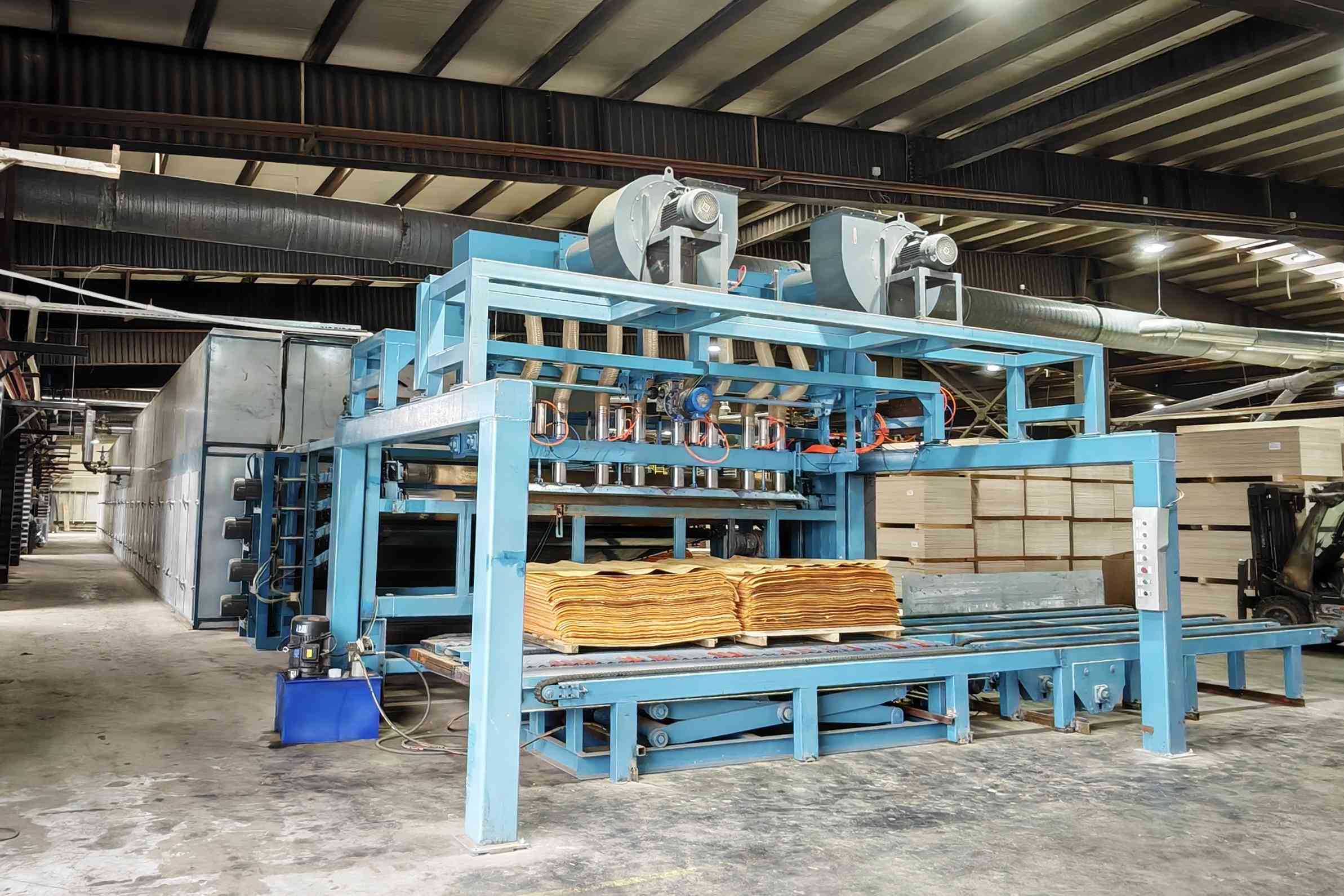
The quality of the veneers produced by a veneer dryer is markedly superior. Utilizing technologies such as roller pressing, hot air circulation, or mesh belt conveyance, the veneer dryer ensures that the veneers remain flat during the drying process. The uniform heat distribution prevents localized overheating or insufficient drying, eliminating deformations like buckling and waviness. For the veneer manufacturer, this means a higher percentage of A-grade products, less rework, and a stronger reputation in the market for supplying reliable, high-quality materials.
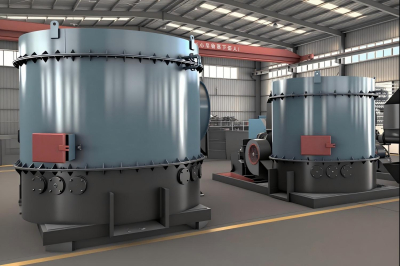
Moreover, modern veneer dryer designs incorporate energy-saving features that offset the operational costs. Many dryers utilize waste wood, sawdust, or bark as fuel sources, turning factory scrap into heat energy. Heat recovery systems are often integrated to reuse exhaust heat, improving thermal efficiency and reducing fuel consumption. For a veneer manufacturer concerned about environmental regulations and operational costs, these green technologies provide a sustainable pathway to growth.
Automation is also a key feature of the contemporary veneer dryer. Automatic feeding and collection systems reduce the need for manual handling, lowering labor costs and minimizing the risk of human error or physical damage to the delicate veneers. The integration of PLC control systems allows operators to set specific drying curves for different wood species and thicknesses, ensuring optimal results with minimal supervision.
In conclusion, while sun drying may appear to save on equipment investment initially, the hidden costs—quality rejects, labor inefficiency, land occupancy, weather delays, and inconsistent output—make it an impractical choice for the modern veneer manufacturer. Transitioning to a veneer dryer is a strategic investment that pays dividends through enhanced product quality, higher production efficiency, precise moisture control, and reduced dependency on weather. As the wood processing industry continues to advance, the veneer dryer stands out as an indispensable asset for manufacturers committed to excellence and competitiveness.