How to Cut Veneer Dryer Costs?
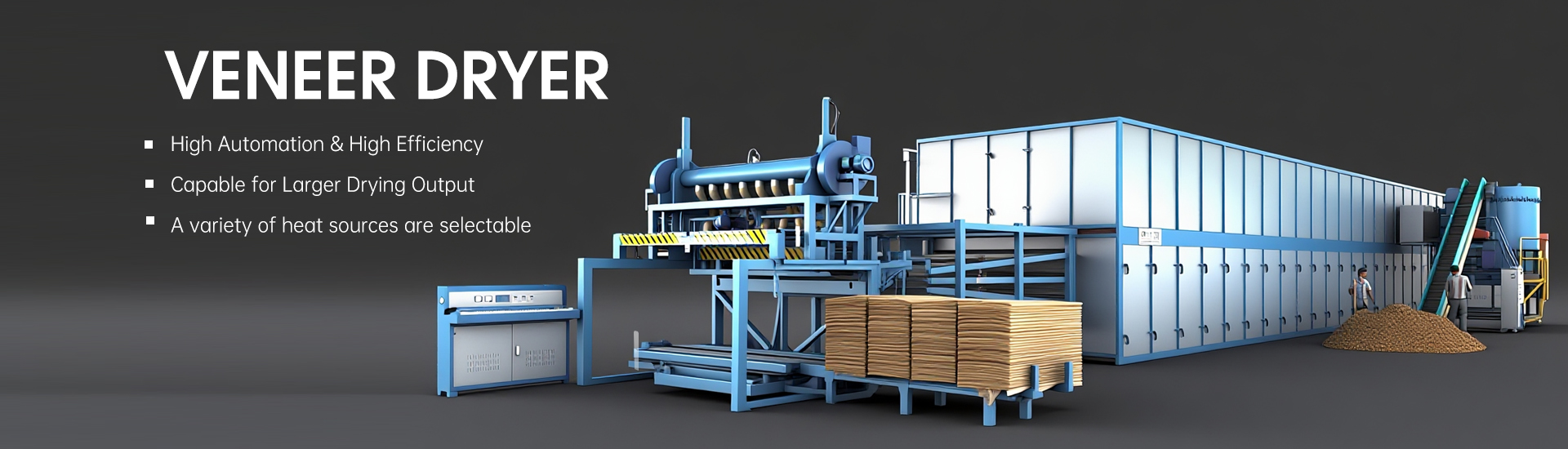
In the competitive wood processing industry, every dollar saved in production directly boosts the bottom line. For manufacturers of plywood, LVL, and decorative veneers, the veneer drying machine is one of the most energy-intensive assets on the factory floor. While many managers focus on the initial purchase price when comparing suppliers, true cost efficiency is not determined by the equipment’s sticker price—it is defined by how the machine is operated over its entire service life. A well-managed wood veneer dryer can significantly lower the comprehensive production cost per cubic meter of dried veneers, while a poorly run system can turn a high-end machine into a financial black hole. This article explores seven practical strategies to operate your veneer dryer as cost-effectively as possible.
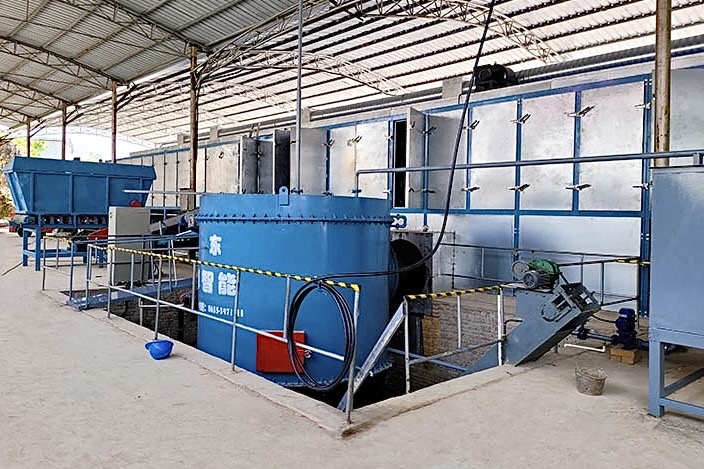
The first and most impactful factor is the choice of heat source. Many factories default to electricity or diesel because they are readily available, but these are often the most expensive options per unit of thermal energy. A growing number of mills are switching to biomass burners that use wood waste—such as bark, sawdust, and rejected veneer pieces—as fuel. This approach can reduce the thermal cost to as little as $6–10 per cubic meter of dried veneer, representing a 60%–70% saving over diesel. If the plant is located near a coal-fired power plant or has access to industrial steam pipelines, tapping into waste steam can be even more economical. The key is to stop viewing waste wood as trash and start treating it as a free or low-cost fuel reserve.
Second, operators must avoid the common mistake of running the dryer at maximum temperature all the time. Many believe that higher heat means faster drying and therefore higher output. In reality, pushing the temperature beyond the optimal range causes surface hardening, increases the risk of cracks, and wastes energy. For most hardwoods and softwoods, the target final moisture content is between 8% and 12%. Trying to push it down to 5% or below requires exponentially more energy with very little commercial benefit. A segmented temperature profile—preheating at 80–90°C, main drying at 110–130°C, and conditioning at 90–100°C—can cut fuel consumption by 15%–20% compared to a flat-out high-temperature setting. It also improves veneer quality by reducing internal stress.
Third, maximizing loading efficiency and continuous operation is essential. Every time a veneer drying machine is stopped and restarted, the entire system must be reheated from ambient temperature. This warm-up phase consumes a large amount of fuel but produces no dried product. Therefore, scheduling production to keep the dryer running continuously for as long as possible—ideally 24 hours a day—spreads the startup energy loss across a much larger output volume. When order volumes are low, it is better to group different veneer batches together rather than running the machine half-empty. Ensuring that the feeding system places veneers without overlap and that the airflow passages remain unobstructed also maximizes the effective capacity of each run.
Fourth, heat recovery systems should never be overlooked. A significant portion of the thermal energy introduced into a wood veneer dryer exits through the exhaust stack. By installing a simple heat exchanger to capture waste heat from the exhaust air and pre-warm the incoming fresh air, plants can recover 10%–15% of the lost energy. On a large-scale machine, this translates into tens of thousands of dollars in annual savings. Even smaller operations can benefit from routing cool air through the cooling zone to recover residual heat before it escapes.
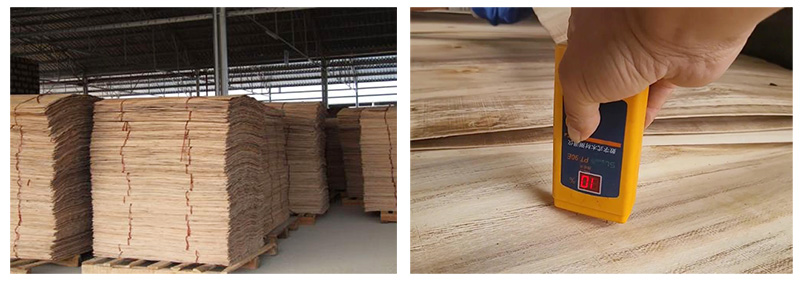
Fifth, precise moisture control is far superior to guesswork. Many older factories still rely on manual sampling and visual inspection to judge whether veneers are dry. This approach often leads to over-drying, which wastes energy and increases brittleness, or under-drying, which causes delamination later. Installing an online moisture meter—microwave or resistance-based—at the dryer exit allows the control system to automatically adjust the conveyor speed or temperature in real time. Maintaining a uniform final moisture content within ±1% not only saves energy but also reduces the percentage of rejected veneers, effectively increasing the yield from the same volume of raw logs.
Sixth, preventive maintenance is a direct money-saver. When the heat exchanger fins become coated with dust and resin, their thermal efficiency drops significantly. A layer of just 1mm of dust can reduce heat transfer by 10%–15%, forcing the burner to work harder and longer. Regular cleaning of the fins, lubrication of chains, and timely replacement of bearings and fan belts prevent small issues from escalating into major breakdowns. A single unexpected shutdown during peak season can cost more in lost production than several years’ worth of routine maintenance. Using genuine or high-quality compatible spare parts—such as Schneider or Omron components—ensures reliability and avoids the false economy of cheap substitutes that fail prematurely.
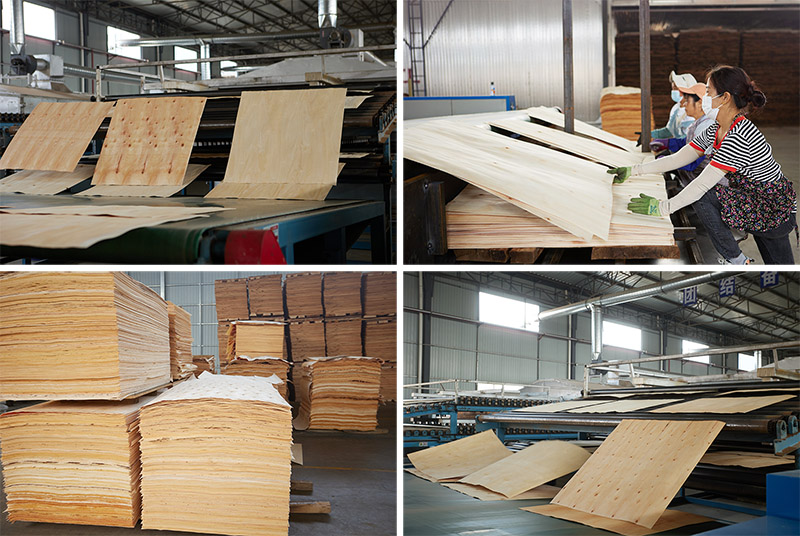
Seventh, the physical layout of the production line influences costs more than many realize. If the peeling lathe and the veneer drying machine are located far apart, green veneers spend more time exposed to ambient air, especially in humid climates. They can reabsorb moisture, which then requires additional energy to remove during drying. Positioning the dryer close to the lathe, and equipping it with automated loading and unloading systems, reduces both material handling labor and moisture regain. Although automated systems require a higher initial investment, they typically pay for themselves within a year by reducing the need for manual labor and minimizing damage to the veneers.
In summary, operating a wood veneer dryer economically is not about cutting corners—it is about applying smart engineering and disciplined management. By choosing the right heat source, optimizing temperature profiles, running the machine continuously, recovering waste heat, controlling moisture precisely, maintaining the equipment diligently, and designing an efficient workflow, manufacturers can dramatically lower their cost per cubic meter of dried veneer. These savings compound over the years, often covering the difference in purchase price between a standard machine and a premium one. For any plywood or LVL producer aiming to stay competitive, mastering the art of cost-effective drying is not optional—it is a core business skill.