Why Bigger Veneer Dryers Cut Costs?
In the competitive wood processing industry, manufacturers constantly seek ways to lower production costs without compromising product quality. One of the most effective strategies is scaling up the output of the drying process. Many factory managers have noticed a clear trend: the larger the output of a veneer drying machine, the lower the comprehensive production cost per cubic meter of dried veneers. This is not just a matter of buying a bigger machine; it is the result of powerful economic and thermodynamic principles at work. Understanding why this happens can help plywood and LVL producers make smarter investments in their production lines.
The Power of Scale in Continuous Operations
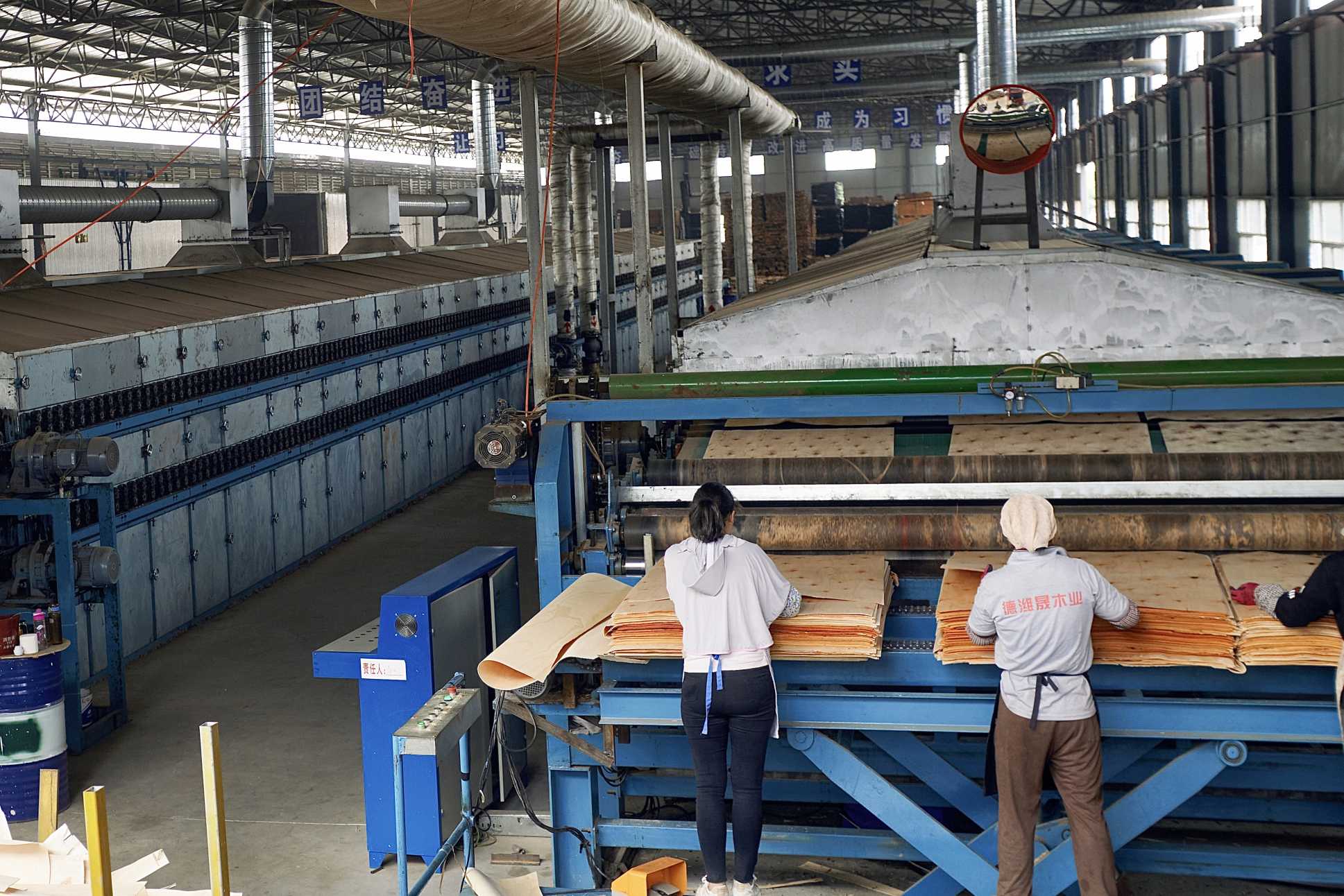
At the heart of this cost reduction is the concept of continuous, high-volume production. A wood veneer dryer operating at or near its full design capacity runs far more efficiently than one handling intermittent, small batches. Every time a drying line is stopped and restarted, the entire system—from the heat exchanger to the heavy rollers—must be brought back up to the target temperature. This warm-up phase consumes a significant amount of fuel or electricity but produces no dried product. By running a high-capacity veneer drying machine continuously, manufacturers spread these startup energy losses across a massive volume of output, drastically reducing the energy consumed per sheet of veneer.
Thermodynamic Efficiency and Heat Recovery
Large-scale drying systems benefit from superior thermal dynamics. A bigger wood veneer dryer typically features longer heating zones and more sophisticated airflow designs. Because the external surface area of a large machine does not increase proportionally with its internal drying volume, the rate of heat loss through the machine's outer shell is relatively lower. This means more of the generated heat is used for actual evaporation rather than escaping into the factory environment.
Furthermore, high-output machines are often equipped with advanced heat recovery systems. These systems capture waste heat from the exhaust air and use it to pre-wheat incoming fresh air or cold, green veneers. The economic benefit of this technology becomes significant only when there is a massive, continuous flow of exhaust air to tap into. On a smaller machine with lower airflow, the installation of such a system would not be justified by the marginal energy savings. Thus, the larger the veneer drying machine, the more effectively it utilizes every unit of thermal energy, driving down the cost of drying each cubic meter of wood.
Labor Productivity and Operational Synergy
Labor costs represent a substantial portion of the operational budget. Modern wood veneer dryer systems, especially those with automated loading and unloading, require a consistent number of operators regardless of whether they are processing 50 cubic meters a day or 150. By maximizing the machine's output, the labor cost per unit of production drops significantly. Instead of paying a team to oversee a small, inefficient batch process, the same team can manage a high-throughput line, multiplying the factory's overall productivity without increasing the wage bill.
Moreover, high-volume drying promotes better synchronization across the entire plant. When the veneer drying machine is a bottleneck, green veneers pile up, occupying valuable floor space and increasing the risk of fungal staining. By eliminating this bottleneck with a larger capacity, the entire production flow—from log peeling to hot pressing—becomes smoother. This reduces the need for excessive intermediate storage and minimizes the labor required to move and sort semi-finished goods.
Consistency, Yield, and Quality Control
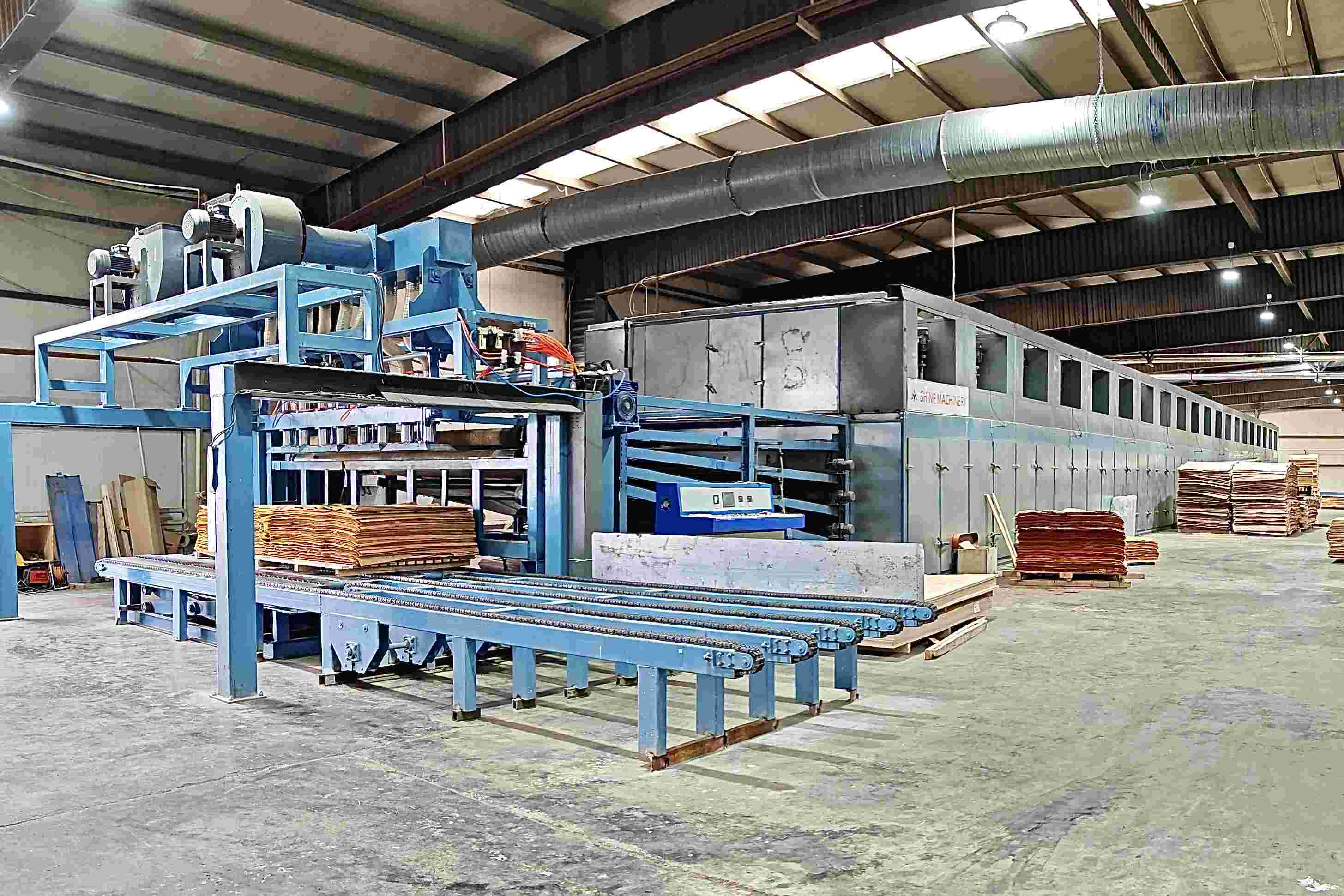
High-capacity wood veneer dryer systems often come with more precise control over temperature, humidity, and airflow. This precision is crucial for achieving uniform moisture content across all veneers. When drying conditions fluctuate, manufacturers face the risk of over-drying or under-drying, both of which lead to defects. Over-dried veneers become brittle and may snap during handling, while under-dried sheets can cause delamination in the final plywood panel.
By investing in a robust, high-output veneer drying machine, manufacturers achieve a more stable drying curve. The sheer volume of air circulated and the consistency of the thermal environment ensure that every sheet receives the same treatment. This uniformity reduces the percentage of rejected veneers, effectively increasing the yield from the same amount of raw logs. In an industry where raw material costs are the largest expense, improving the usable output of each log has a massive impact on overall profitability.
Reducing Hidden Costs and Waste
Small-scale drying often involves frequent changeovers between different veneer thicknesses or wood species. Each changeover requires the operator to adjust the machine's settings, a process that can result in a transitional batch of improperly dried veneers. A large, dedicated wood veneer dryer running a single product type for extended periods avoids these wasteful transitions. The consistency of the operation preserves both materials and energy, contributing to a lower comprehensive cost structure.
Additionally, the speed of a high-capacity veneer drying machine reduces the time that peeled green veneers spend in temporary storage. The faster these sheets move through the production line, the less likely they are to absorb ambient moisture or develop surface molds, which can happen during long waiting periods. This rapid turnover minimizes the need for re-drying or costly chemical treatments, further protecting the factory's bottom line.
Conclusion
Scaling up the drying capacity is a strategic move that goes beyond simply processing more wood. It leverages the laws of thermodynamics, economies of scale, and operational efficiency to lower the comprehensive production cost of every sheet of veneer. From reducing energy waste during startup to maximizing labor productivity and improving product yield, the advantages of a high-output veneer drying machine are undeniable. For any wood processing enterprise aiming to thrive in a competitive market, investing in a powerful wood veneer dryer is not just an upgrade—it is a fundamental step toward long-term profitability and sustainability.