Automated Loading: Revolutionizing Veneer Drying
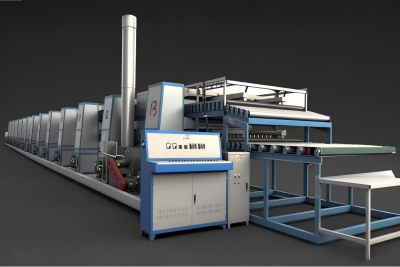
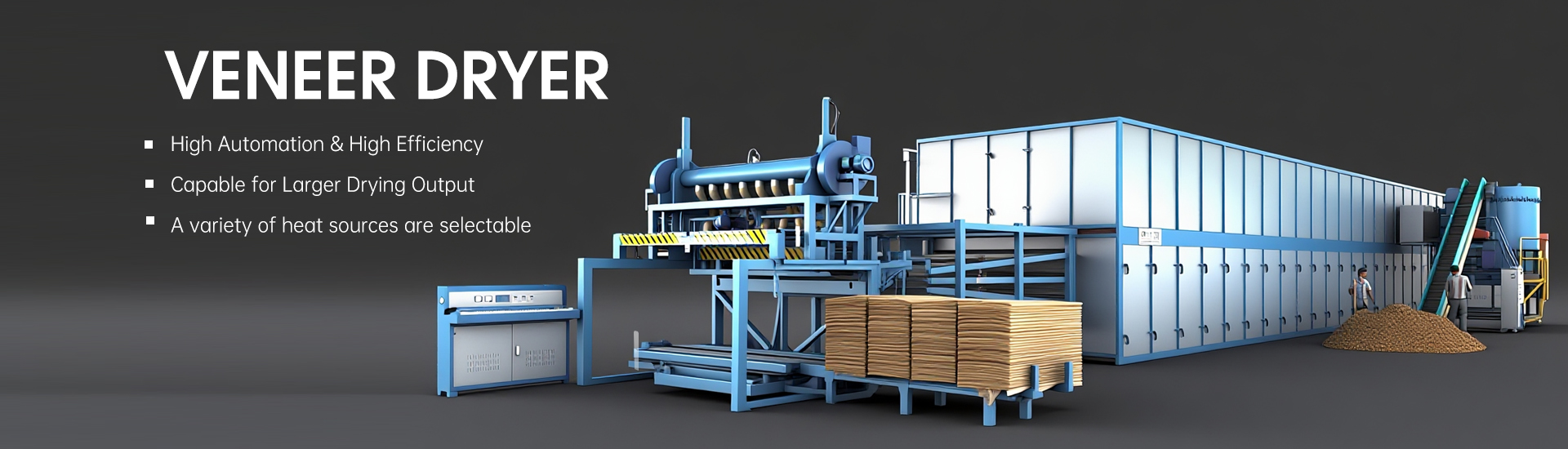
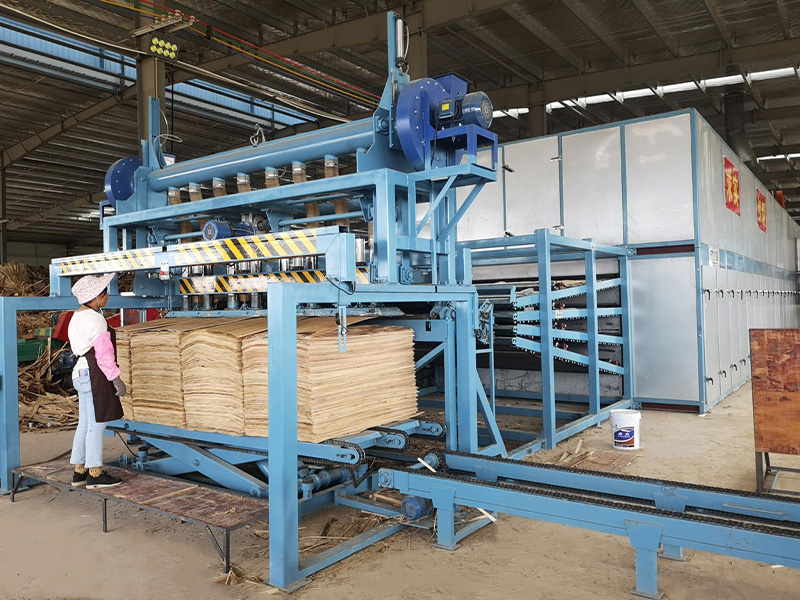
In the modern wood processing industry, the veneer dryer is the heart of the operation, transforming fragile green veneers into stable, market-ready products. While much attention is paid to the thermal efficiency of the dryer itself—debating steam versus biomass, optimizing heat recovery, and fine-tuning temperature zones—there is a critical component at the very beginning of the process that is often overlooked: the loading system. Transitioning from manual feeding to an automated loading system is not merely an upgrade in convenience; it is a fundamental shift in how a factory manages quality, safety, and production flow. For manufacturers working with demanding species like eucalyptus, rubberwood, or Acacia mangium, integrating an automated loader with a wood veneer dryer is the key to unlocking true operational efficiency.
Eliminating Airflow Blind Spots and Thermal Inefficiency
The most immediate and visible problem with manual loading is inconsistency. Human operators, regardless of their diligence, struggle to maintain perfect uniformity when placing veneers onto a moving conveyor or into the clamps of a roller dryer. Sheets are often overlapped, inserted at angles, or suffer from edge curling before even entering the machine. This inconsistency creates "dead zones" within the drying chamber. When sheets overlap, the hot air cannot penetrate the layers, leading to significant variations in final moisture content—sometimes by as much as ±5% across a single batch. This results in under-dried sections that promote mold growth and over-dried sections that become brittle and prone to cracking.
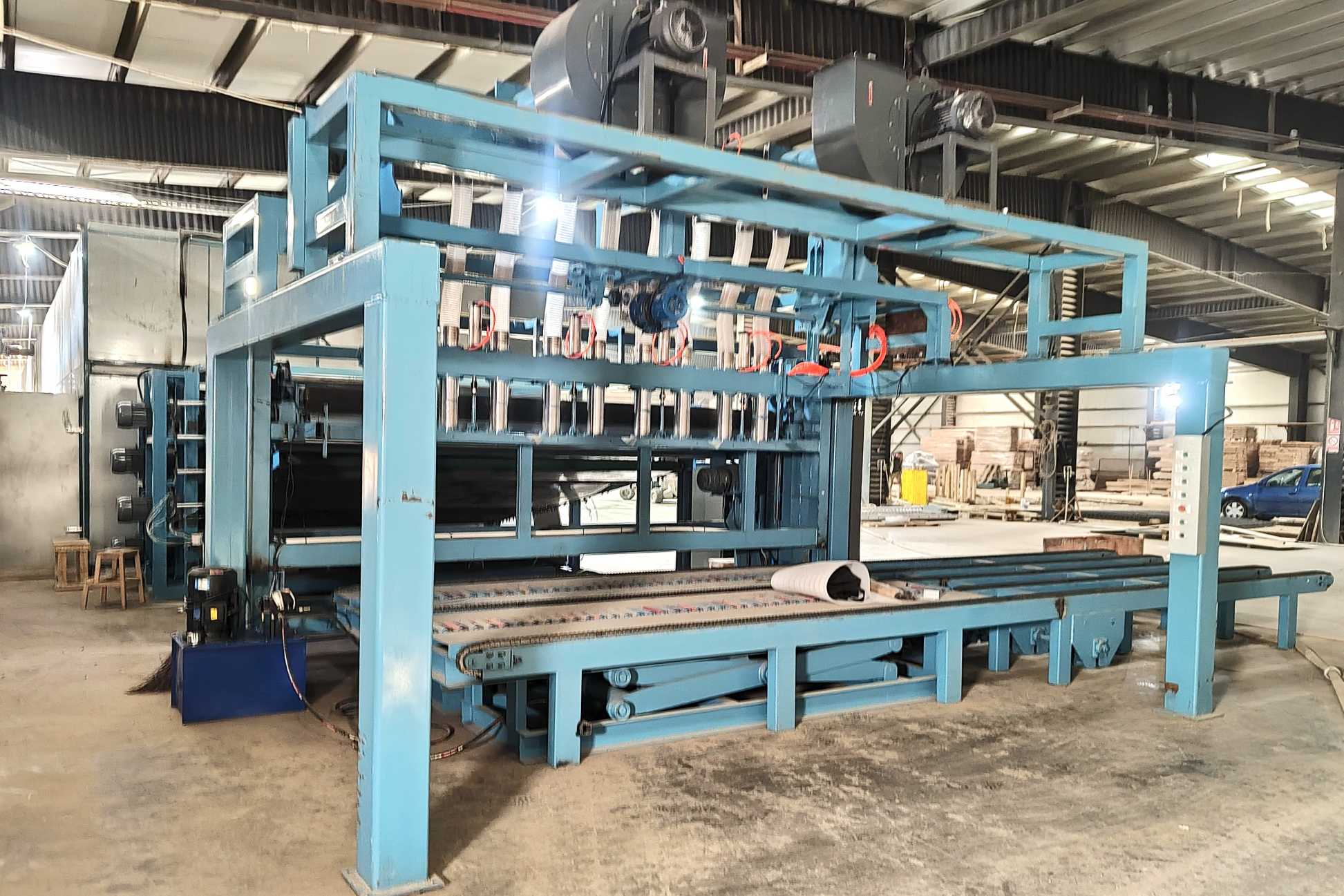
An automated loading system, utilizing vacuum suction cups or precision fork feeders, ensures that every sheet is separated, centered, and fed into the veneer drying machine with millimeter accuracy. This guarantees a uniform gap between sheets, allowing the hot air to circulate freely and consistently around every surface. By maximizing the effective ventilation area, the dryer performs exactly to its design specifications. This uniformity is the foundation of high-quality drying, ensuring that every pack of veneers meets the strict moisture tolerances required for high-grade plywood and LVL production.
Preserving Surface Integrity of Delicate Species
Modern wood sourcing often relies on fast-growing plantation species such as eucalyptus, rubberwood, and various acacias. These woods are economically attractive but notoriously difficult to handle. Green veneers peeled from these logs are exceptionally soft and susceptible to damage. Manual handling, even with gloves, often leaves behind pressure marks, fingerprints, or scuff marks that ruin the aesthetic value of the final product. Dragging sheets across a metal infeed table or rough handling during stacking frequently causes edge tears and splintering.
Automated systems are designed for gentleness. Vacuum suction arrays distribute the lifting force across a wide area of the veneer, preventing localized stress points. Soft-touch fork systems cradle the wood rather than gripping it aggressively. This non-invasive handling is absolutely critical for producing A-grade decorative veneers, where surface perfection dictates market price. By eliminating human-induced surface defects, an automated loader directly increases the percentage of high-value output, turning potentially "seconds" into premium products.
Enhancing Workplace Safety and Ergonomics
Manual loading is one of the most physically demanding and hazardous jobs in a veneer mill. Operators are required to perform thousands of repetitive bending, lifting, and pushing motions throughout a shift. This leads to chronic back injuries, muscle fatigue, and a high rate of staff turnover. Furthermore, feeding sheets into the nip point of a roller conveyor or a chain-driven dryer presents a severe risk of finger and hand crushing injuries.
By implementing an automated loading system, human operators are moved away from the danger zone. Safety light curtains and physical guarding create a secure perimeter. The role of the worker evolves from a high-risk manual laborer to a supervisory technician who monitors the system for jams or misfeeds. This shift not only protects employees and reduces insurance liabilities but also improves morale and retention. In an era where compliance with international safety standards like ISO 45001 is increasingly important for global trade, automated loading is a prerequisite for any serious exporter.
Achieving True Continuous Processing
As discussed in previous analyses, the most cost-effective way to run a wood veneer dryer is to maintain continuous, uninterrupted operation. Frequent stops and starts waste enormous amounts of energy reheating the thermal mass of the machine. Manual loading is inherently inconsistent; workers need breaks, change shifts, or may simply fall behind the pace of the outfeed. These gaps force the dryer to run partially empty, drastically reducing thermal efficiency.
An automated loader integrates seamlessly with the dryer’s PLC and Variable Frequency Drive (VFD) system. It matches the infeed pace to the belt speed in real-time. Whether the machine is running at 5 meters per minute or 22 meters per minute, the loader adjusts its cycle time to ensure the chamber remains consistently full. This synergy ensures that the dryer operates at its thermal optimum, minimizing fuel consumption per cubic meter of output and maximizing throughput.
Mitigating Moisture Regain in Humid Climates
In tropical regions such as Southeast Asia and South America, high ambient humidity poses a constant threat to green veneers. Once peeled, these thin sheets begin to reabsorb moisture from the air immediately. In a manual operation, veneers are often stacked on the floor or in carts, sitting for extended periods before being fed into the dryer. During the rainy season, this "wait time" can lead to significant moisture regain, forcing the dryer to work harder and longer to achieve the target moisture content.
Automated loading systems facilitate a direct, continuous flow from the peeler to the dryer. Integrated conveyor networks move veneers directly from the lathe to the infeed table of the loader, minimizing floor time. This rapid transition preserves the initial moisture state of the wood, reducing the total energy required for evaporation and shortening the overall drying cycle. In humid environments, this speed is a critical factor in preventing fungal staining and maintaining product quality.
Building the Foundation for Industry 4.0
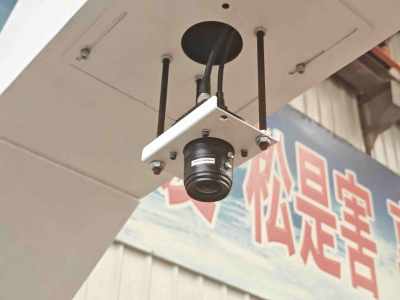
Finally, automated loading systems serve as the entry point for digital transformation. Unlike human operators, machines can be fitted with sensors. An automated loader can easily incorporate counting sensors to track production volumes in real-time. More importantly, it provides a stable platform for integrating advanced scanning technologies, such as inline moisture meters or AI-powered optical scanners.
When combined with a smart veneer drying machine, this data allows for dynamic process adjustments. For example, if a scanner detects a batch of veneers with higher-than-average initial moisture content, the PLC can automatically adjust the conveyor speed or the temperature profile to compensate. This level of precision is impossible to achieve with manual loading, where variability is the norm. By automating the front end of the process, manufacturers lay the groundwork for a fully connected, data-driven factory that optimizes quality and efficiency at every step.
Conclusion
Upgrading to an automated loading system is far more than a simple labor-saving device; it is a strategic investment in quality, safety, and thermal efficiency. By ensuring uniform loading, protecting delicate wood species, enhancing safety, enabling continuous operation, and reducing moisture regain, these systems transform the performance of any wood veneer dryer. For manufacturers aiming to compete in the high-value veneer market, automating the loading process is no longer an option—it is an essential step toward achieving production excellence and long-term sustainability.