How is Plywood Made?
The Start: Logs Roll In With Big Dreams
Choosing the Right Logs
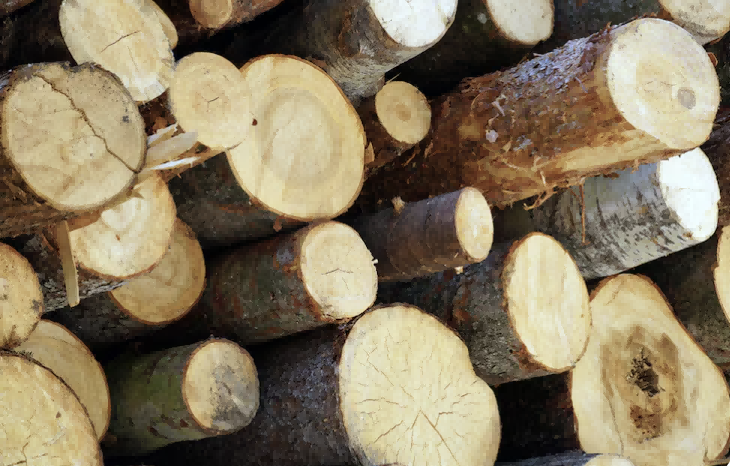
Everything begins with logs that arrive stacked like giant pencils. Workers choose:
· Birch for strong and stable birch plywood
· Popular for lighter weight
· Eucalyptus for dense strength
We feel a tiny thrill at this stage because we already imagine how many plywood sheets each log will become. The best logs create a smoother sheet of veneer and better overall veneer quality.
Logs Are Cut to Size
The mill trims the logs to the proper length. Long logs create long veneers and fewer joints, which improves high-quality output. Short logs work too, but they act like toddlers and need more attention.
Workers cut logs to size using huge saws. These machines growl, but they cut fast. The trimmed logs roll toward the peeling line almost like they know their fate.
Peeling: The Log Turns Into Thin Layers
Heating for Smooth Peeling
Mills soften logs in hot water vats. When wood warms up, it peels cleanly and forms smoother veneer sheets. Cold logs splinter and fight back, so warm logs save everyone time.
The Magic Lathe
Logs spin on a peeling lathe. A long knife slices them into thin layers. The log rotates, the knife glides, and a continuous ribbon of veneer unrolls like a giant wood noodle. We never get tired of watching this.
The long ribbon travels out on a conveyor belt. At this point, the veneer carries a lot of moisture. That extra moisture must go if we skip drying the veneer, warps and ruins the whole plywood product.
Drying: The Heart of Stable Plywood
Dry Veneer Matters
Drying matters a lot. Moisture triggers defects and ruins bonding strength. Wet veneer also smells odd, which makes everyone in the mill unhappy.
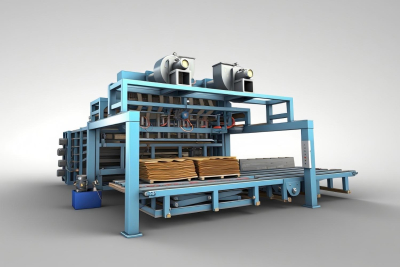
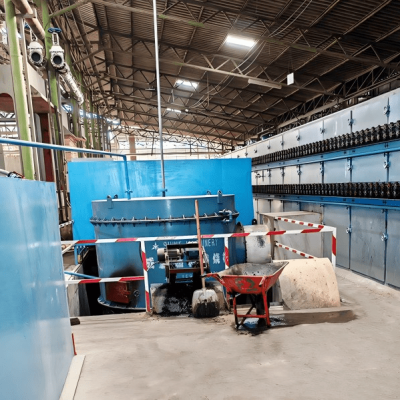
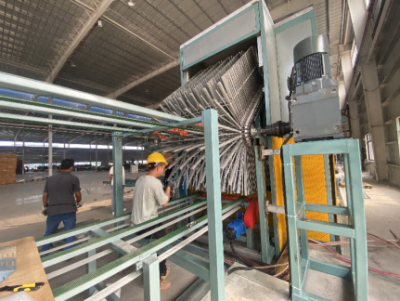
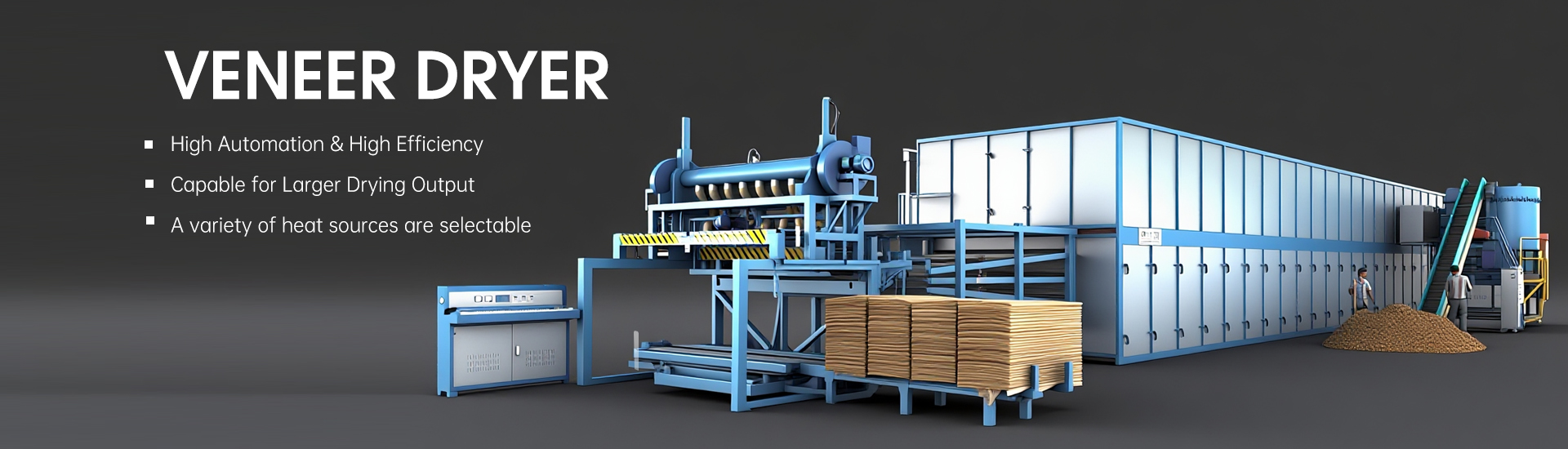
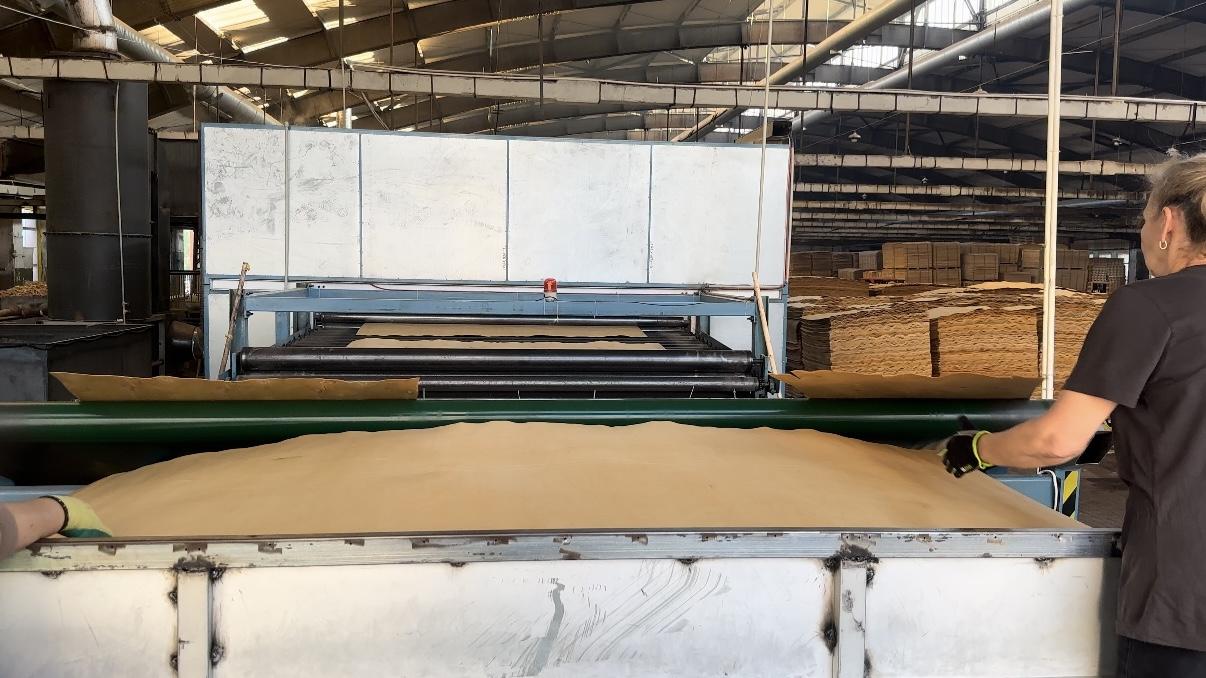
This is where we play our part with our Veneer Dryer Machine. We designed it to turn damp sheets into dry veneer with stable moisture levels. This stage sets the foundation for veneer quality. Smooth, stable panels come from perfect moisture control.
How the Dryer Handles Veneer?
Inside the dryer, hot air flows across the veneer. The sheets move forward as heat removes moisture. Sensors check temperatures. Air circulation stays steady. We keep everything consistent so each sheet of veneer exists ready for the next step.
Drying takes skill. Too much heat scorches the veneer. Too little heat traps moisture. We want the Goldilocks zone every time.
Sorting: Face Veneers or Core Veneers
Face Veneers Step Forward
Once dry, workers sort veneers by strength and appearance. The best pieces become face veneers. They shine with tight grain and clean texture. We sometimes run a hand across them and think Wow, this one will look good on someone’s kitchen cabinet.
Core Veneers Support the Middle
Lower grades become core veneers. They stay hidden, but the whole panel depends on them. Strong core layers boost strength and reduce bending. They may not look fancy, but they do the heavy lifting.
Assembly: The Plywood Sandwich Begins
Applying the Adhesive
Workers add adhesive to the veneers. They stack the layers like a sandwich:
· Face veneer on top
· Core veneers in the middle
· Another face veneer at the bottom
Each veneer layer crosses grains with the one below. This crisscross pattern stops warping.
Pre-Pressing Checks
Before the hot press, we perform quick checks. We align everything. We ensure cut edges stay straight. We confirm core coverage. Clean alignment stops internal voids and creates smooth plywood panels.
Pressing: Heat Compression and Pure Power
The Hot Press Takes Charge
The loaded stack enters the hot pressing machine. Heat, pressure, and time turn loose layers into a unified structure. You can feel the power. The press closes slowly, then locks. It pushes glue deep into fibers.
Inside the press temperature climbs. Pressure rises. The layers bond. We often hold our breath even though we know the press will not explode. It still feels like controlled chaos.
Cooling for Stability
After pressing, the panel cools. Cooling locks everything in place. Hot panels remain flexible, so we give them time to rest like fresh bread.
Finishing: From Rough Panel to Final Product
Cut to Size Precision
The mill trims the edges. Every panel must be cut to size for accuracy. Uneven edges make builders swear. We like happy builders, so the saws trim with millimeter accuracy.
Sanding for a Smooth Touch
Sanding turns rough texture into a clean one. The surface becomes ready for painting, coating, or any fancy decoration. When we run our hands over a freshly sanded panel, we feel a tiny spark of pride.
Grading and Inspection
Inspectors look for:
· Voids
· Cracks
· Warping
· Surface blemishes
High-grade panels get packed for premium markets. Lower grades head to construction projects where looks matter less than strength.
Final Product Leaves the Mill
Stacks of plywood sheets move out on forklifts. Each final product carries the full journey inside it. When we see trucks leave, we know the cycle begins again with the next log.
Where Our Work Fits Into the Story
We build machines that shape the drying stage. Without proper drying, every other step stumbles. Stable moisture enhances bonding strength. It boosts veneer quality. It stops core veneers from curling up like chips. We treat each Veneer Dryer Machine we build with care. We want mills to run smoother. We want workers to stay safe. We want every panel to hold tight through decades of use. Every time we test a new machine, we feel that quiet buzz of satisfaction. We know that a stable drying line can change an entire plywood mill.
The Whole Process in a Quick List
From Log to Panel
1. Select strong logs
2. Cut logs to size
3. Warm logs for peeling
4. Peel veneer ribbons
5. Move the veneer on the conveyor belt
6. Dry veneer in controlled heat
7. Sort into face veneers and core veneers
8. Apply adhesive
9. Stack thin layers in cross-grain patterns
10. Hot press the stack
11. Cool panels
12. Trim panels
13. Sand panels
14. Inspect and grade
15. Ship the final product
Every step adds strength, stability, and character to the plywood that reaches your hands.
Final Thoughts: The Art Behind Every Sheet
We believe plywood carries more story, emotion, and engineering than most people assume. We see the whole cycle up close. Logs roll in raw, uncertain, and unshaped. They leave as strong, dependable panels that support homes, furniture, ships, stages, and basically anything you can imagine. The next time you hold a panel, think about the layers inside it. Please think of the heat, the pressure, the precision, and yes, the people who work behind the scenes to bring it all together. We feel lucky to be part of that story day after day.