How Robotic Arms works for Plywood
In recent years, the integration of robotic arms into plywood manufacturing has transformed traditional production lines, bringing unprecedented levels of automation, precision, and safety. Once limited to heavy industries like automotive assembly, robotic arms are now proving to be invaluable assets in the wood panel sector, where they address long-standing challenges in handling, stacking, and quality control. Their growing adoption signals a shift toward smarter, more efficient manufacturing processes in plywood plants around the world.
Broad Application Scenarios for Robotic Arms in Plywood Production
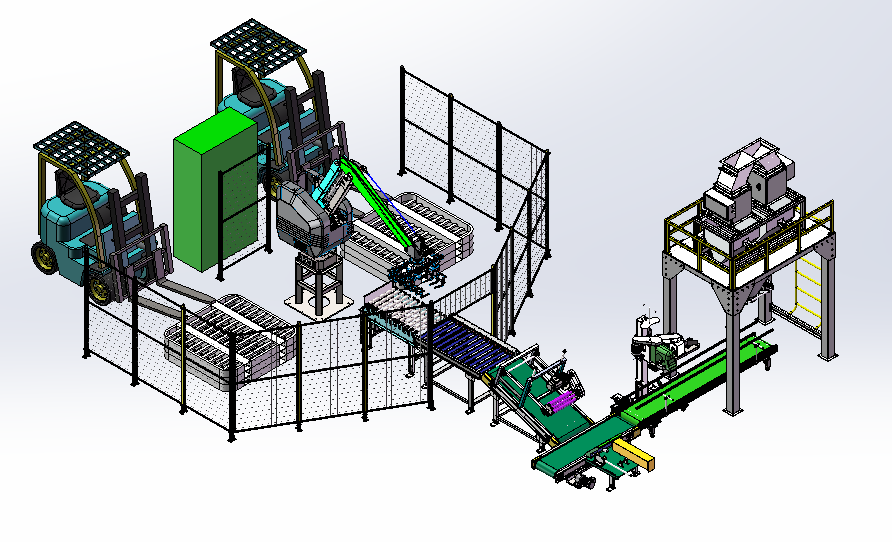
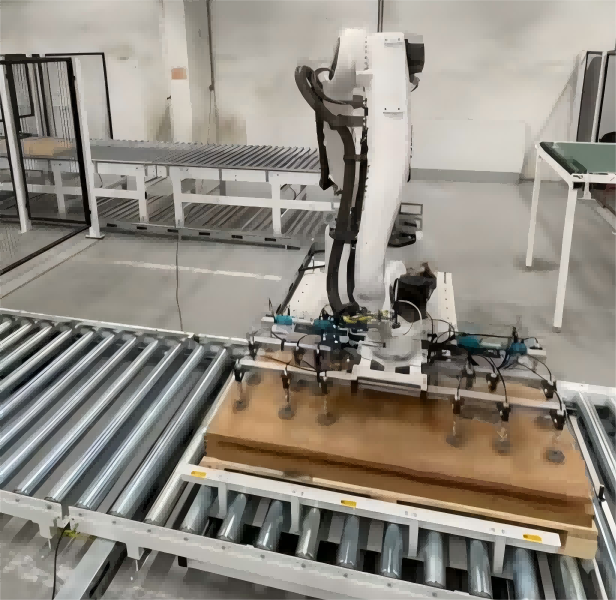
Automated Stacking and Unstacking
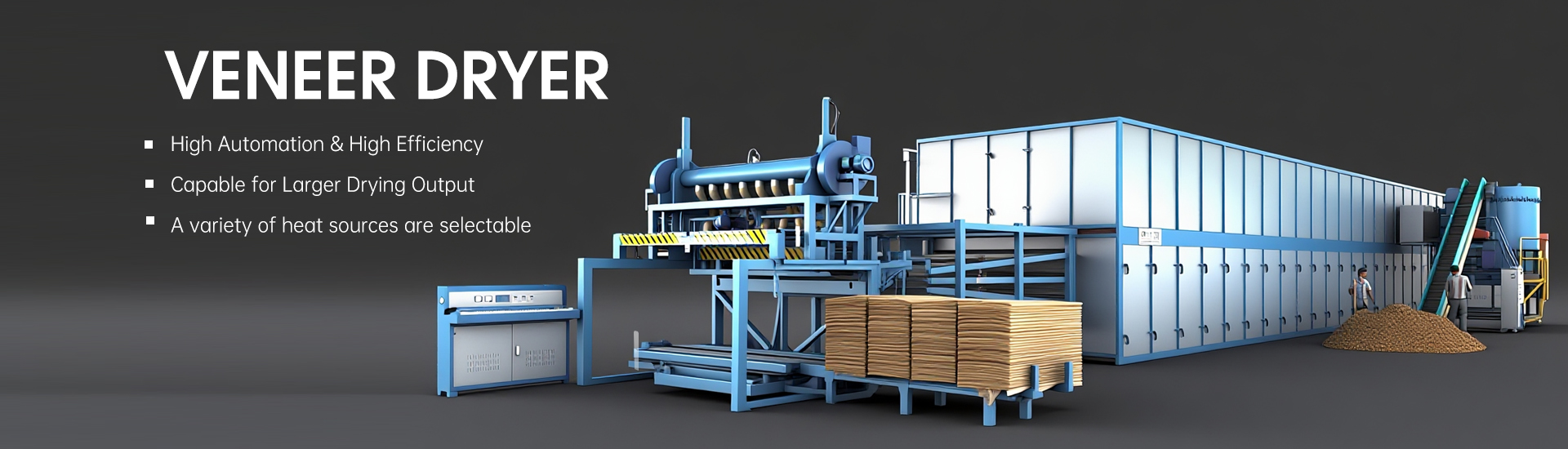
One of the most common applications is the handling of veneer sheets and finished plywood panels. Robotic arms equipped with vacuum grippers or customized end-effectors can pick up stacks of veneer from peeling lines or dryers and place them accurately onto racks or conveyor systems. Similarly, after pressing and trimming, robotic arms stack finished plywood panels neatly, reducing manual labor and preventing damage from mishandling.
Loading and Unloading Press Machines
In hot press operations, robotic arms load prepared veneer stacks into the press chambers and unload pressed panels once curing is complete. This eliminates the need for workers to enter the high-temperature zone, improving workplace safety and ensuring consistent loading alignment, which is critical for product flatness and bonding quality.
Quality Inspection and Sorting
Integrated vision systems allow robotic arms to inspect panels for surface defects, dimensional accuracy, and grading. Based on real-time analysis, the arms sort acceptable products from rejects, directing them to different conveyors for packaging or reprocessing. This automated quality control reduces human error and ensures uniform product standards.
Trimming and Edge Processing
Robotic arms fitted with cutting tools or sanding modules perform precise trimming of panel edges, removing excess material left from the pressing process. This produces clean, straight edges ready for further finishing or direct sale, improving both aesthetics and usability.
Palletizing and Packaging
At the end of the line, robotic arms stack finished plywood onto pallets in predetermined patterns, wrap them with protective film, and prepare them for shipping. This speeds up packaging, optimizes load stability, and reduces the physical strain on workers.
Important Roles Robotic Arms Play in Production
Enhancing Productivity
Robotic arms operate continuously without breaks, fatigue, or shift changes, enabling round-the-clock production. Their high-speed movements and precise positioning shorten cycle times for stacking, loading, and packaging, allowing factories to increase output without expanding floor space or headcount.
Improving Product Quality and Consistency
Human handling can introduce variability—misaligned stacks, inconsistent pressure during loading, or accidental damage. Robotic arms apply uniform force and exact positioning, ensuring that each panel is treated identically. This consistency improves bonding strength in plywood and reduces the rate of defects.
Reducing Workplace Injuries
Plywood manufacturing involves heavy lifting, exposure to high temperatures near presses, and repetitive motions that can lead to musculoskeletal injuries. Robotic arms take over these physically demanding tasks, creating a safer work environment and lowering the risk of accidents and associated downtime.
Lowering Operational Costs
Although the initial investment in robotic systems is significant, the long-term savings are substantial. Factories reduce labor costs, minimize material waste from handling damage, and decrease maintenance expenses linked to human error. Energy-efficient models also contribute to lower utility bills.
Increasing Flexibility and Scalability
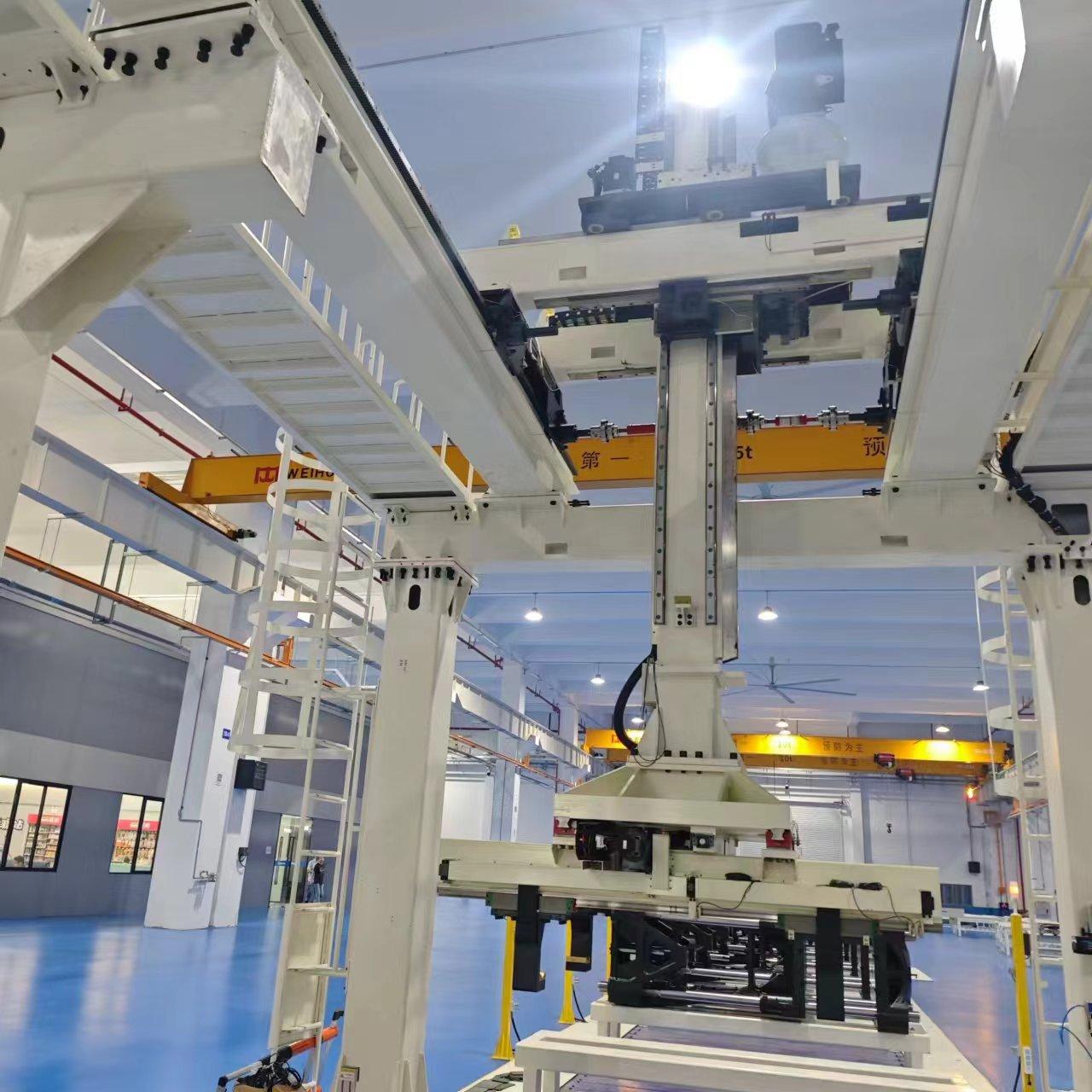
Modern robotic arms are programmable and can be quickly retooled for different panel sizes, grades, or packaging formats. This adaptability makes it easier for manufacturers to respond to changing market demands without costly reconfiguration of entire production lines.
Supporting Sustainable Manufacturing
By optimizing material flow and reducing waste, robotic arms help plywood producers lower their environmental footprint. Precise handling means fewer damaged panels, less offcut generation, and more efficient use of raw veneer. Some plants also integrate robotic systems with energy management platforms to further enhance sustainability.
Industry Trends Driving Adoption
Several factors are accelerating the use of robotic arms in plywood plants. First, labor shortages in many regions make automation an attractive solution for maintaining output. Second, advancements in robotics—such as improved sensor accuracy, AI-driven vision systems, and collaborative robot designs—make these machines safer and easier to integrate into existing lines. Third, global competition pushes manufacturers to adopt technologies that boost quality and reduce costs.
Government incentives for industrial automation and smart manufacturing in countries like Finland, Russia, and China are also encouraging plywood producers to modernize. These programs often subsidize the purchase of robotic systems, shorten payback periods, and promote technology transfer.
Conclusion
Robotic arms have moved beyond experimental use to become essential components in modern plywood production. Their ability to automate repetitive, hazardous, and precision-critical tasks delivers measurable improvements in productivity, quality, safety, and cost efficiency. As the technology continues to evolve, we can expect even tighter integration with digital production management systems, paving the way for fully automated “smart factories” in the wood panel industry. For plywood manufacturers aiming to stay competitive in a rapidly changing market, investing in robotic arms is no longer a futuristic option—it is a practical and strategic necessity.