What are the Benefits of Veneer Dryer?
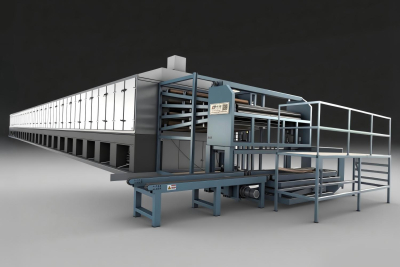
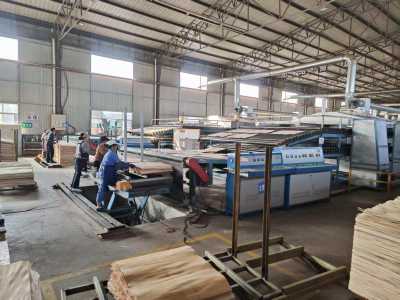
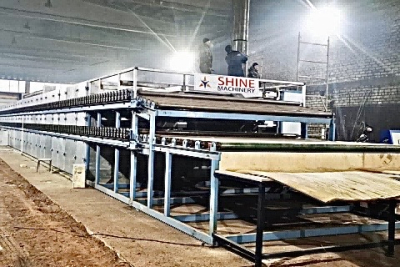
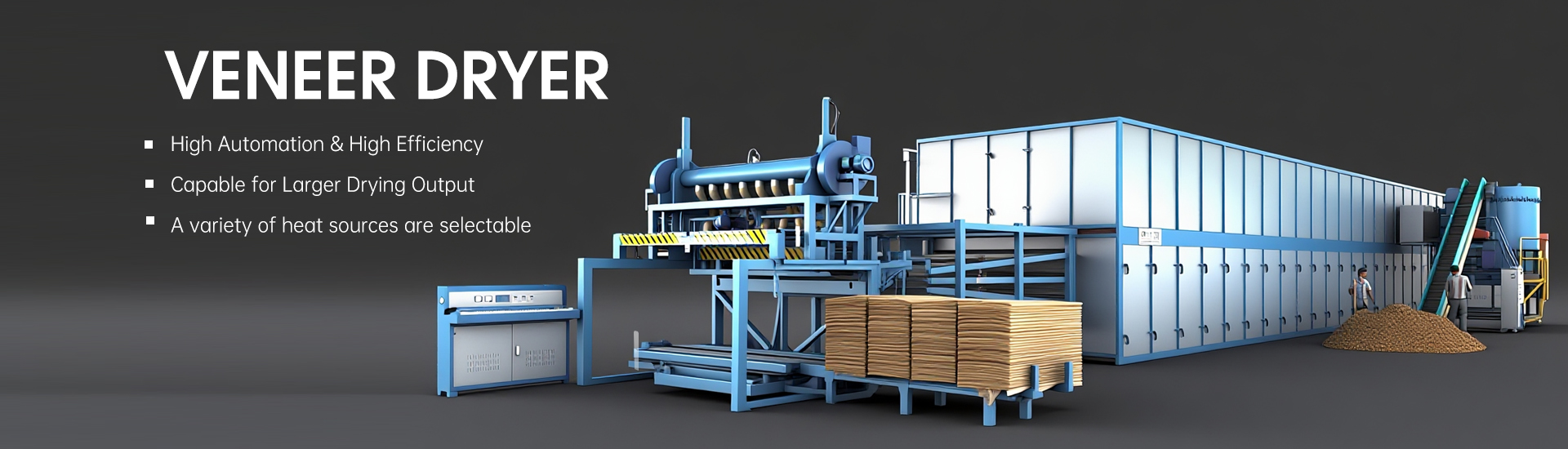
In the ever-evolving world of wood processing, the wood veneer dryer has become a cornerstone technology for manufacturers seeking to enhance product quality, increase productivity, and reduce operational costs. As a critical link in the production chain of decorative veneer and plywood, the veneer dryer’s role goes far beyond simple moisture removal—it shapes the foundation for superior bonding, dimensional stability, and surface finish in the final products.
The Role of Wood Veneer Dryers in Manufacturing
Wood veneer is produced by slicing logs into thin sheets, which naturally contain a high percentage of moisture immediately after peeling. If used in this state, veneers can shrink, warp, or develop surface defects when exposed to heat and pressure during lamination. The primary function of a wood veneer dryer is to lower the moisture content of these sheets to a controlled, uniform level, usually between 8% and 12% depending on the end application.
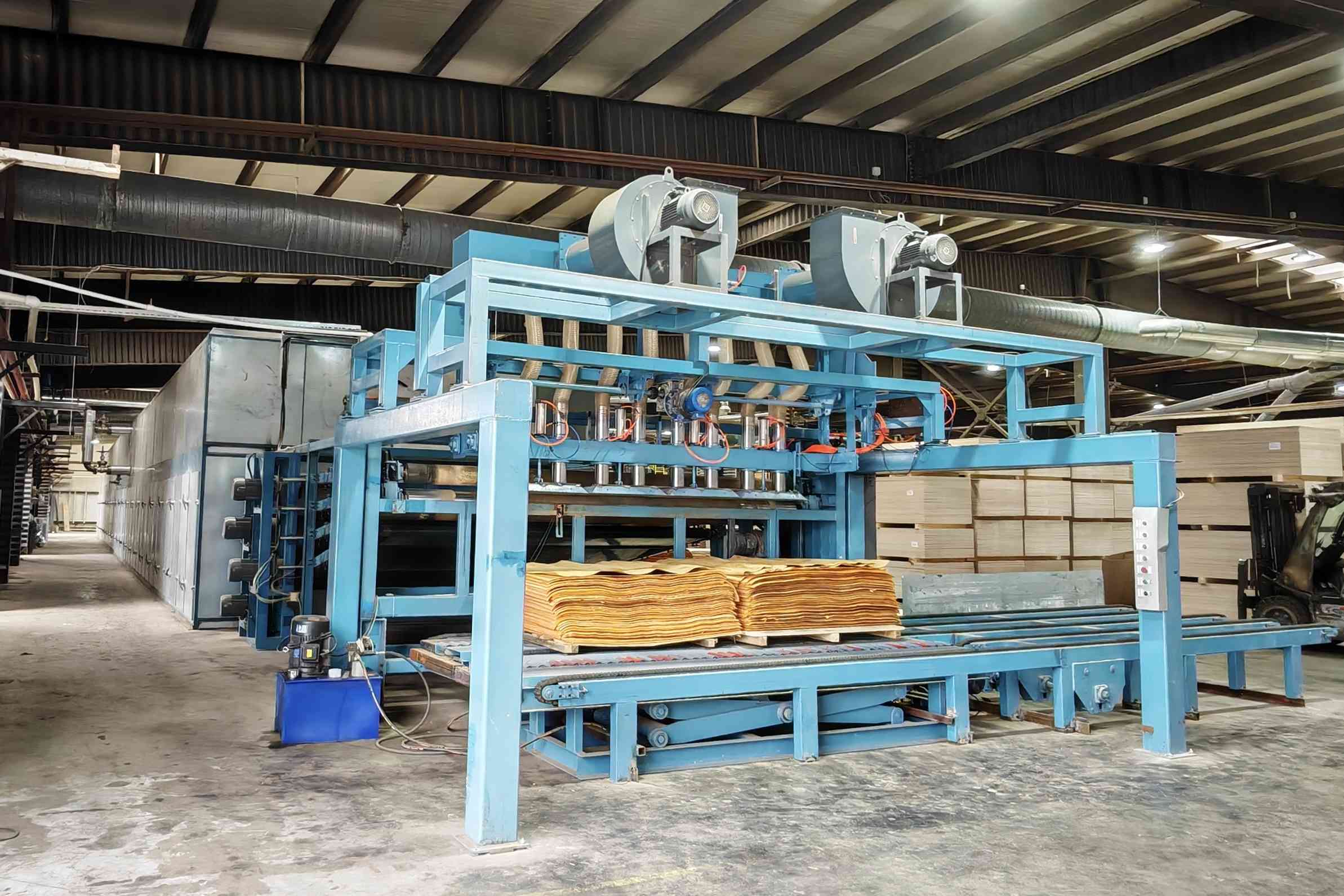
Modern wood veneer dryers use a combination of heated air circulation, infrared radiation, and sometimes radio-frequency energy to ensure even drying across the entire surface of the veneer. This process is carefully managed to avoid over-drying, which can cause brittleness, or under-drying, which compromises glue adhesion in subsequent manufacturing stages.
Key Advantages of Using a Wood Veneer Dryer
Consistent Moisture Control
One of the most significant benefits of a wood veneer dryer is its ability to maintain uniform temperature and humidity levels inside the drying chamber. This results in consistent moisture content across every sheet, which is essential for producing high-quality plywood and laminated panels.Increased Production Speed
Compared to open-air drying, which can take several days, a veneer dryer can process large batches of veneer in a matter of hours. This acceleration allows manufacturers to meet tight delivery schedules and respond quickly to market demands.Energy Efficiency
Contemporary veneer dryers are designed with energy-saving features such as heat recovery systems, insulated chambers, and optimized airflow patterns. These innovations help reduce fuel or electricity consumption, lowering operational expenses over time.Improved Product Quality
Properly dried veneers exhibit fewer defects such as cracks, splits, or warping. They bond more effectively with adhesives, leading to stronger and more durable plywood. The improved surface condition also enhances the visual appeal of finished panels, which is especially important in furniture and interior decoration markets.Reduced Waste and Rework
Uniform drying minimizes the number of rejected sheets caused by moisture-related issues. This not only cuts material losses but also reduces the need for rework, saving both time and labor costs.
Benefits for Veneer and Plywood Manufacturers
For veneer producers, investing in a high-performance veneer dryer means they can supply consistently dry and stable sheets to their customers, many of whom are plywood manufacturers. This reliability strengthens business relationships and opens opportunities for premium pricing.
For plywood manufacturers, the advantages are even more pronounced. Well-dried veneers ensure strong glue bonds during the pressing stage, which translates into plywood that resists delamination, warping, and surface checking. In turn, this improves the reputation of the manufacturer for delivering dependable, high-quality products.
Additionally, because modern veneer dryers can be automated to a great extent, they require less manual intervention. Operators can focus on monitoring rather than manually adjusting drying parameters, reducing labor intensity and minimizing human error.
Another indirect benefit lies in environmental compliance. Efficient drying systems generate less waste heat and particulate emission, helping factories meet increasingly stringent environmental regulations. This can be crucial for maintaining operating licenses and accessing eco-conscious markets.
Strategic Importance in Competitive Markets
As global competition intensifies, wood product manufacturers face constant pressure to improve efficiency without compromising quality. The wood veneer dryer serves as a strategic asset in achieving this balance. By shortening drying cycles, improving yield rates, and delivering superior veneer quality, manufacturers gain a tangible competitive advantage.
Moreover, the versatility of veneer dryers allows them to accommodate different veneer species and thicknesses. Whether producing thin decorative sheets for luxury interiors or thicker structural veneers for industrial plywood, manufacturers can rely on the dryer to deliver optimal results.
Conclusion
The wood veneer dryer is much more than a moisture-control device—it is a transformative tool that boosts productivity, enhances product integrity, and contributes to sustainable manufacturing practices. For veneer and plywood producers alike, adopting advanced veneer drying technology is a decisive step toward greater profitability, operational excellence, and market leadership.
In an industry where precision and reliability determine success, the humble veneer dryer stands out as a silent yet powerful ally, shaping the future of wood processing one perfectly dried sheet at a time.