Veneer Dryer Eases Rainy Woes
In the wood processing industry, the arrival of the rainy season has long been a source of anxiety for veneer manufacturers who lack dedicated drying equipment. For these producers, the combination of high humidity and limited natural drying capacity creates a perfect storm: logs become difficult to rotary-cut, and freshly cut veneers take days—sometimes weeks—to dry sufficiently for further processing. The result is a severe bottleneck in production, missed delivery deadlines, and mounting pressure to find solutions.
This seasonal challenge is not just a minor inconvenience; it directly impacts revenue, customer relationships, and operational efficiency. Without a reliable way to reduce moisture content in green veneers, manufacturers often face the unenviable choice of halting production during rain or shipping subpar, warped products that fail to meet quality standards. The problem is especially acute in regions where rainfall is heavy and prolonged, such as Southeast Asia, the Pacific Northwest, and parts of South America.
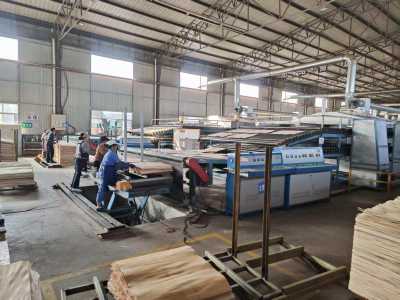
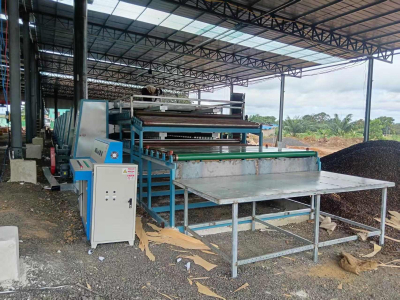
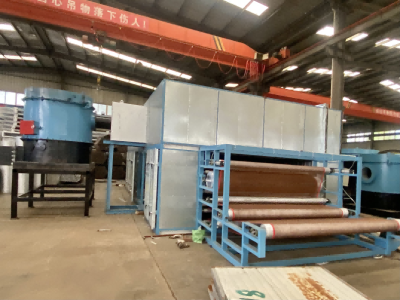
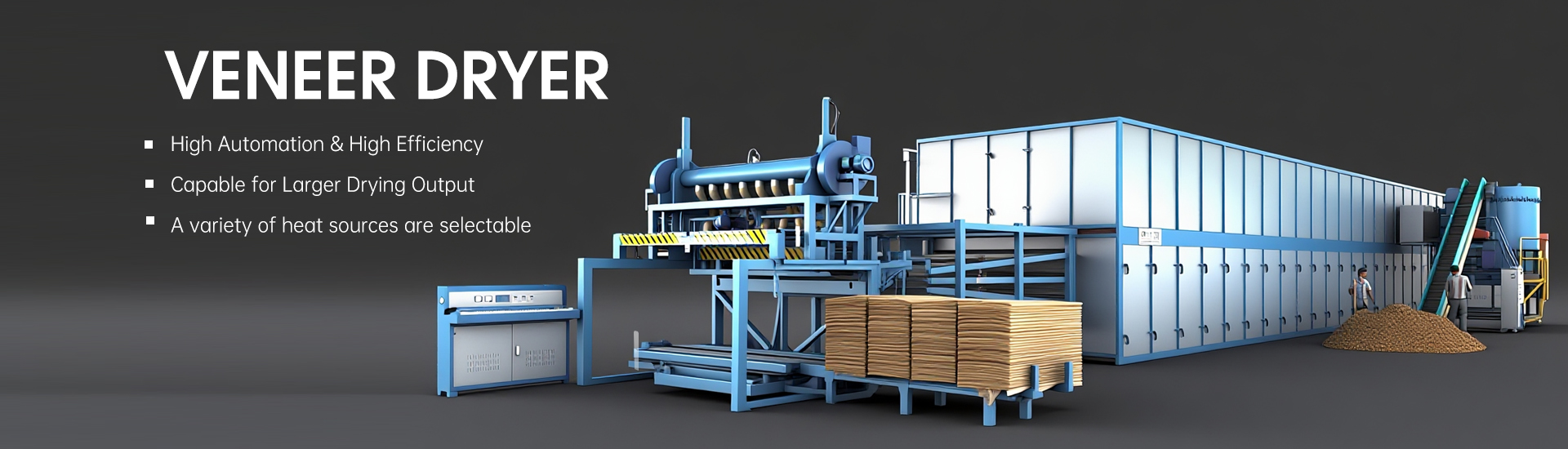
Enter the veneer dryer—a specialized piece of equipment designed to address exactly this pain point. Unlike traditional open-air drying methods, which depend entirely on weather conditions, a modern veneer dryer uses controlled heat, airflow, and sometimes dehumidification to remove moisture from green veneers quickly and consistently. For manufacturers struggling with rainy season slowdowns, investing in a well-designed veneer dryer can mean the difference between a stalled production line and a steady flow of high-quality output.
The key advantage of a veneer dryer lies in its ability to decouple production from environmental factors. In a typical scenario, rotary-cutting operations may continue even during rain, but the resulting wet veneers would otherwise have to wait for sunny, low-humidity days to dry naturally. With a dryer, those same veneers can be fed directly into the machine after cutting, reducing moisture levels to the required range—usually between 8% and 12%—in a matter of hours rather than days. This not only accelerates throughput but also ensures that the final product meets strict dimensional stability and bonding requirements.
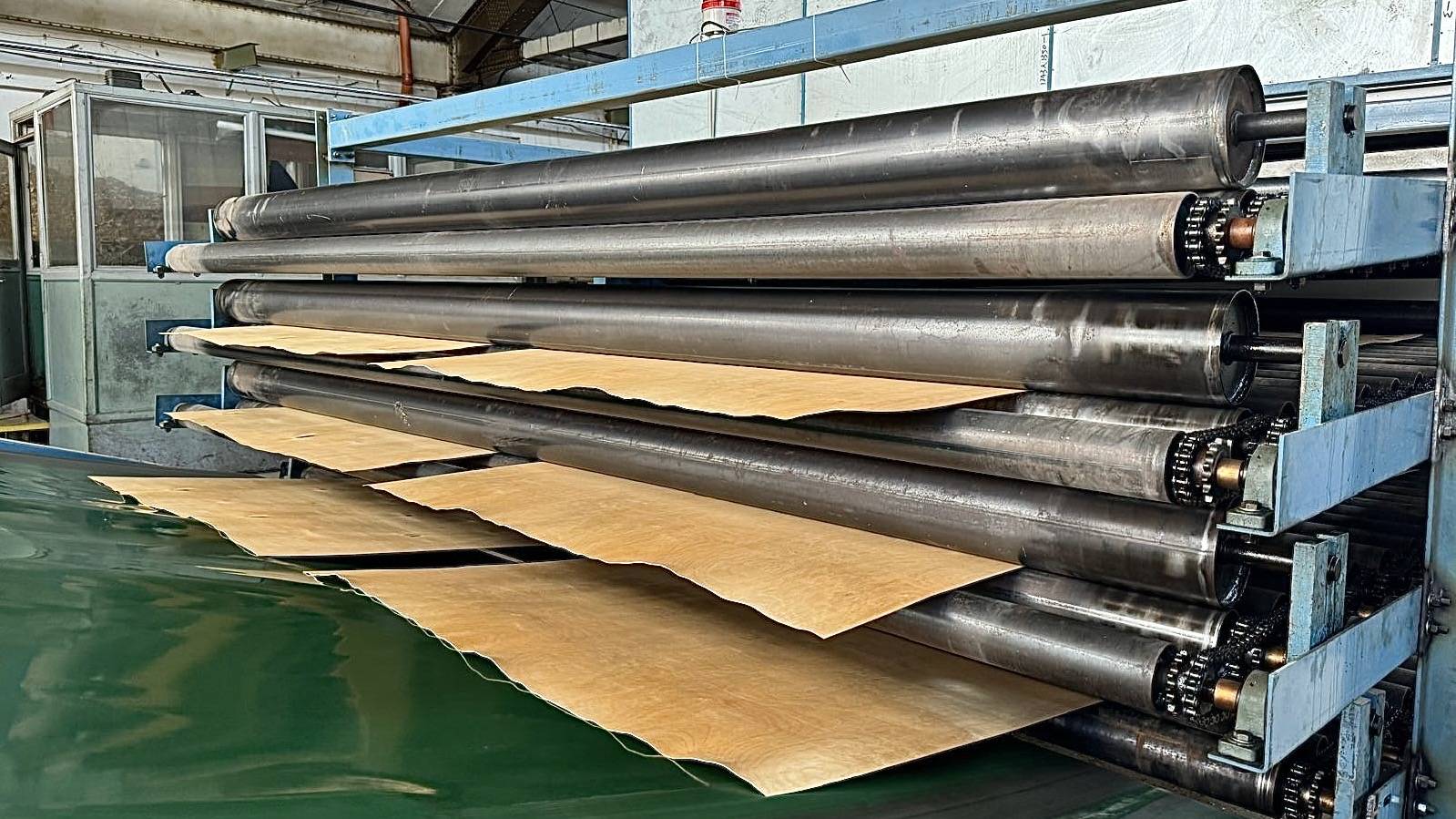
Energy efficiency is another critical factor driving adoption. Early models of veneer dryers were notorious for their high power consumption, making them cost-prohibitive for smaller operations. However, recent advances in insulation, heat recovery, and variable-speed fan technology have led to significant improvements. Many new units now feature programmable logic controllers (PLCs) that adjust temperature and airflow based on real-time moisture readings, preventing energy waste. Some manufacturers have reported up to 30% reductions in electricity use compared to older systems, making the return on investment more attractive.
The design of a quality veneer dryer also plays a vital role in its effectiveness. Look for models with corrosion-resistant components, such as stainless steel air ducts and coated heat exchangers, to withstand the high humidity and chemical compounds present in wood. Precision in air distribution is equally important: uneven airflow can lead to “hot spots” that over-dry some areas while leaving others damp, causing warping or cracking. Advanced systems use multiple temperature sensors and automated dampers to maintain uniform conditions throughout the drying chamber.
For companies still relying on natural drying, the risks go beyond simple delays. Wet veneers are highly susceptible to fungal growth, which can compromise structural integrity and lead to costly rejections. They are also heavier, increasing handling and transport costs. In contrast, properly dried veneers are lighter, easier to store, and less likely to develop defects during lamination or pressing. By integrating a veneer dryer into the production line, manufacturers can avoid these hidden costs and improve the overall consistency of their end products.
The impact of adopting a veneer dryer is particularly evident when comparing pre- and post-installation performance. A medium-sized mill in Vietnam, for example, once lost an average of 12 working days per rainy season due to slow natural drying. After installing a 20-meter-long veneer dryer with a 3-ton-per-hour capacity, the company reduced that loss to zero, allowing it to fulfill export orders on time even during the wettest months. Similar success stories have emerged in Brazil, Indonesia, and the African countries, where climate variability has historically challenged wood processors.
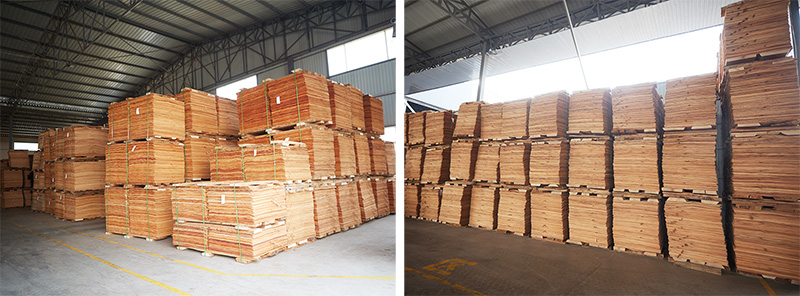
Of course, choosing the right veneer dryer requires careful consideration of production volume, log species, and local energy costs. For small workshops, a compact, electrically heated model may suffice, while large-scale mills might opt for gas-fired or biomass-heated systems to lower operating expenses. Regardless of size, the goal remains the same: to create a controlled environment where green veneers are transformed into stable, workable material without being at the mercy of the weather.
As the global demand for engineered wood products continues to grow, the pressure on manufacturers to maintain year-round productivity will only increase. The rainy season, once a dreaded period of inactivity, can now be viewed as just another part of the production cycle—thanks to the reliability of modern veneer dryers. By eliminating the uncertainty of natural drying, these machines not only protect profit margins but also enhance a company’s reputation for dependability.
In an industry where timing and quality are everything, a veneer dryer is more than just a piece of equipment; it is a strategic asset. It allows businesses to plan production schedules with confidence, accept orders without fear of seasonal delays, and deliver consistent results regardless of cloud cover. For any veneer manufacturer looking to future-proof their operations, the message is clear: the right veneer dryer can turn a seasonal headache into a competitive advantage.