How to Select the Ideal Veneer Dryer?
As the domestic wood processing sector faces intensifying competition, a significant trend has emerged: manufacturers of rotary-cut wood veneers are expanding overseas. For entrepreneurs establishing new veneer mills abroad, the selection of a veneer dryer is perhaps the most critical capital decision they will make. This machine does more than just remove moisture; it dictates the quality of the final wood veneers, governs the efficiency of the entire production line, and ultimately determines operational costs. For a new facility, navigating the global market to find the right drying solution requires a careful balance of capacity, technology, and sustainability. This guide outlines the essential factors that new wood veneer factories must consider when investing in a veneer dryer.
First and foremost, aligning the dryer’s capacity with the peeling line’s output is non-negotiable. The veneer dryer must be able to handle the volume of green veneers produced by the rotary lathe. Capacity is typically measured in cubic meters per hour. For small-scale startups, a compact flip-type veneer dryer offers a cost-effective entry point. However, for operations focused on high-volume production, large-scale roller veneer dryer systems are indispensable. These machines ensure that the drying process does not become a bottleneck, allowing the factory to maintain a smooth, continuous flow from log to dried veneer. Underestimating capacity needs can halt production, while overestimating leads to unnecessary energy consumption and capital expenditure.
Energy efficiency and environmental compliance have become central to the purchasing decision. Modern drying technology has evolved significantly, with advanced thermal oil heaters and biomass burners replacing less efficient systems. A key innovation is the use of energy-efficient axial fans instead of high-power centrifugal fans. Axial fans provide superior airflow while drastically reducing electricity consumption. Furthermore, environmental regulations in many countries are stringent regarding emissions. Consequently, selecting a veneer dryer equipped with effective dust collection and exhaust gas treatment systems is vital. Not only does this ensure compliance with local laws, but it also minimizes the factory’s environmental footprint, protecting both the surrounding community and the health of workers handling the wood veneers.
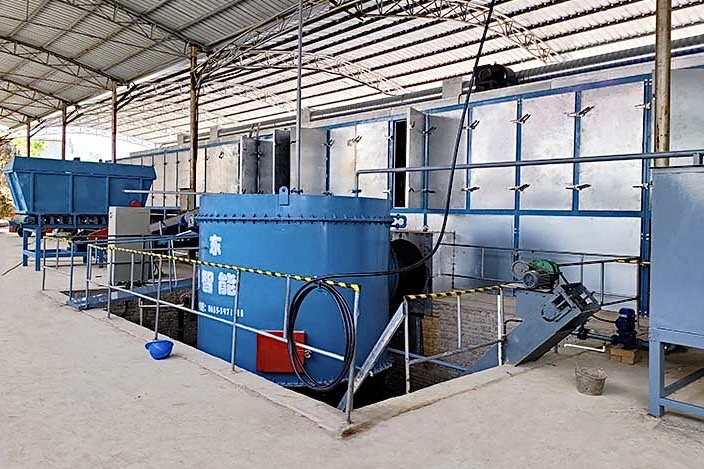
The uniformity of the drying process is directly linked to the quality of the wood veneers. Uneven drying—where sections of the veneer are over-dried while others remain damp—can lead to severe warping, buckling, and internal stresses. These defects compromise the structural integrity of the final plywood or LVL panels. Therefore, investing in a veneer dryer with sophisticated temperature controls and forced air circulation systems is crucial. High-end models feature automated sensors that monitor moisture levels in real-time, adjusting the heat and airflow to ensure every inch of the veneer receives consistent treatment. This precision guarantees that the wood veneers remain flat and stable, ready for high-grade gluing and pressing.
Automation and ease of operation are particularly important for new factories that may still be training their workforce. A user-friendly interface and automated controls reduce the learning curve for operators. Modern veneer dryer systems often come with PLC (Programmable Logic Controller) interfaces that allow for the programming of specific drying curves based on wood species and thickness. Features such as automatic belt alignment, chain tensioning, and fault diagnostics minimize downtime and reduce the need for constant manual supervision. For a new plant manager, a system that is easy to maintain and adjust is invaluable for ensuring consistent output and reducing labor costs associated with manual monitoring.
Technical support and after-sales service are the safety nets of any major equipment purchase. A veneer dryer is a complex piece of machinery that requires regular maintenance to perform optimally over years of operation. When sourcing equipment, particularly from international manufacturers, it is essential to evaluate the supplier's commitment to after-sales support. Reputable manufacturers, such as Shine Machinery, offer comprehensive service packages, including installation guidance, operator training, and readily available spare parts. Access to a responsive technical team ensures that any mechanical issues can be resolved quickly, preventing costly production interruptions.
Finally, new factory owners must conduct a thorough cost-benefit analysis. While it may be tempting to opt for the lowest-priced equipment, this often results in higher costs down the line due to frequent breakdowns and inefficient fuel usage. Conversely, the most technologically advanced veneer dryer might offer features that exceed the factory’s actual needs, tying up capital unnecessarily. The goal is to find the "sweet spot"—a machine that offers the best return on investment (ROI). This involves calculating the total cost of ownership, including the purchase price, installation fees, energy consumption, maintenance costs, and expected lifespan. A well-chosen veneer dryer strikes a balance between upfront investment and long-term savings.
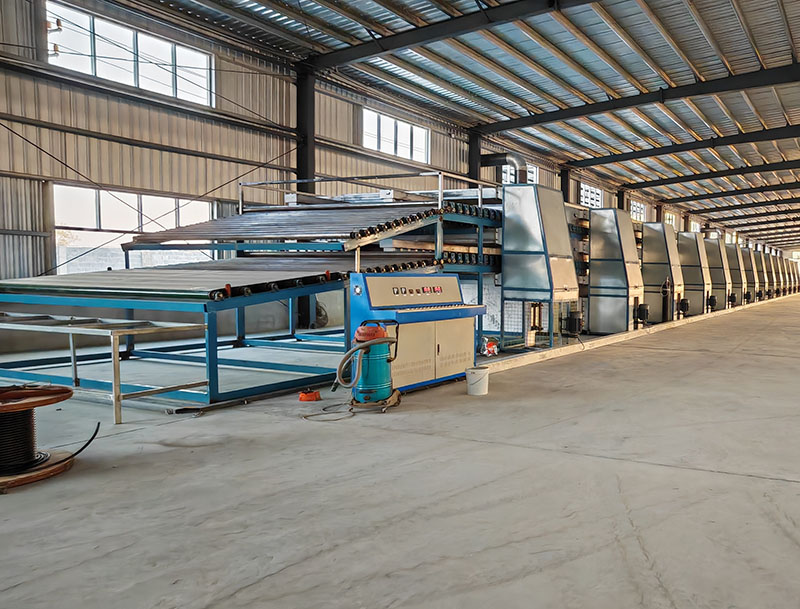
In conclusion, selecting the right veneer dryer is a multifaceted decision that will shape the trajectory of a new wood veneer enterprise. By prioritizing production capacity, energy efficiency, drying uniformity, automation, reliable support, and overall value, factory owners can secure a competitive advantage. The transition from green logs to high-quality, dried wood veneers is a complex journey, but with the right drying technology at its heart, a new factory can achieve high efficiency, superior product quality, and a profitable future in the global market. Making an informed choice today lays the groundwork for decades of stable and successful operations.