How to Enhance Plywood Density?
In the demanding world of engineered wood products, plywood density stands as a primary indicator of performance. A denser panel offers superior load-bearing capacity, better screw retention, and enhanced durability, making it a prerequisite for high-end construction and industrial applications. For manufacturers striving to elevate their product quality, mastering the variables that influence density is essential. Achieving this goal requires a comprehensive strategy that spans the entire plywood production line, from raw log selection to the final hot press cycle.
The journey toward a high-density panel begins with the fundamental choice of raw materials. The intrinsic density of the wood species sets the ultimate ceiling for the final product. Hardwood species like oak, birch, and tropical hardwoods naturally contain more wood substance per unit volume than softwoods such as pine or fir. Therefore, the first step in enhancing density is to source logs with a high basic specific gravity. Once the logs are selected, the efficiency of the plywood making machine used for peeling becomes critical. Precision in rotary cutting ensures that each veneer sheet has a uniform thickness. Inconsistent thickness leads to uneven gaps within the panel structure, which manifests as low-density spots and weak points. Investing in high-tolerance peeling technology is a foundational investment in achieving a consistently dense output.
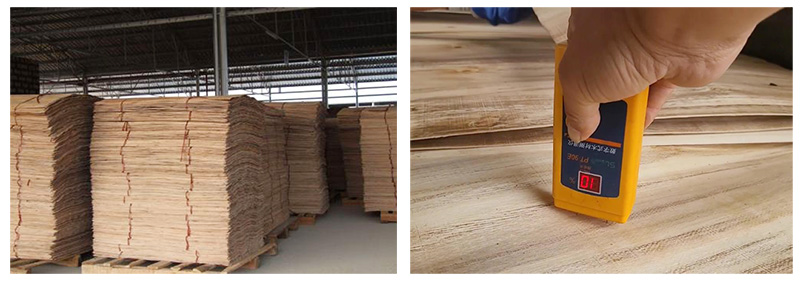
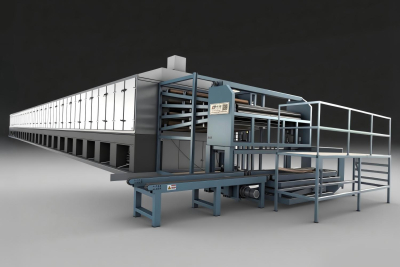
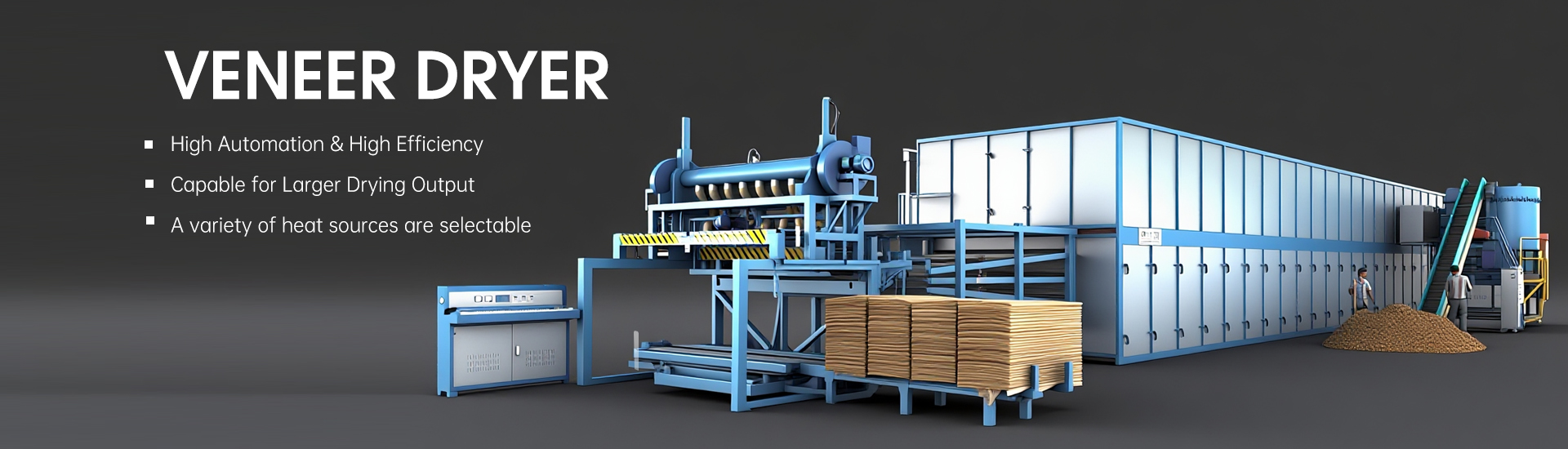
Controlling veneer moisture content is another non-negotiable aspect of density optimization. Wood is a hygroscopic material, and its ability to compress under pressure is highly dependent on its water content. Veneers must be dried to an optimal range, generally between 8% and 12%. If the moisture content is too high, the steam generated during pressing can cause delamination or prevent the fibers from compacting. If it is too low, the wood becomes brittle and resists deformation, leading to poor inter-layer bonding. Utilizing advanced drying equipment, such as a high-efficiency veneer dryer, ensures that the moisture profile across all veneers is consistent. This uniformity allows for predictable and repeatable compression during the pressing stage, which is vital for meeting strict density specifications.
The application of adhesive and the assembly of the panel also play a supporting role in density enhancement. While the primary purpose of glue is to bond the layers, the amount applied contributes to the overall mass of the panel. Slightly increasing the glue spread rate can add to the density, provided it does not lead to excessive bleeding or cost overruns. Furthermore, the way veneers are stacked—the lay-up pattern—must be symmetrical to balance internal stresses. However, placing the thickest and densest veneers in the core can help maximize the average density of the finished sheet.
The most decisive factor in determining plywood density is the hot pressing process. This is where the plywood making machine applies the physical force required to consolidate the veneer stack. To achieve higher density, manufacturers must increase the specific pressure within the hot press. Higher pressure forces the wood fibers to interlock more tightly, eliminating air voids and increasing the mass per cubic meter. This process, known as densification, relies on the wood's plasticity. By increasing the platen temperature, the lignin in the wood softens, allowing the fibers to deform and compact more easily under high pressure. Additionally, a faster closing speed helps maintain core temperature, ensuring that the entire thickness of the panel compresses uniformly.
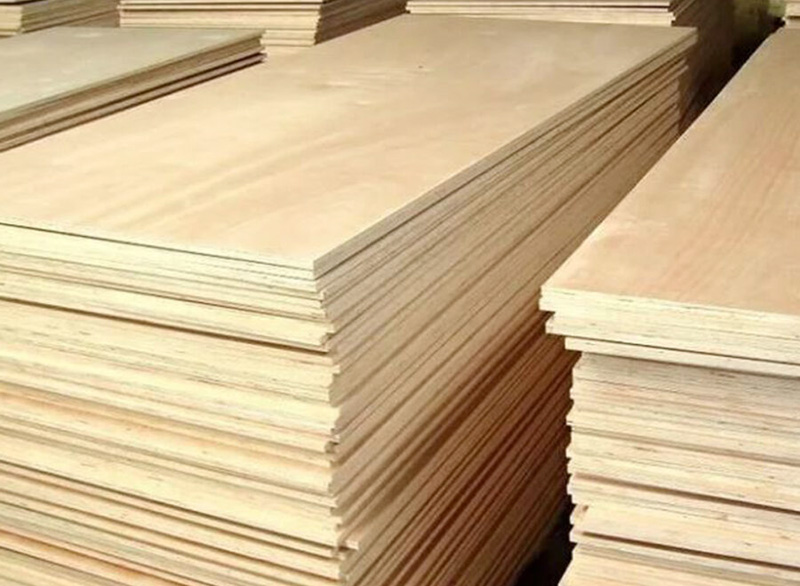
Maintaining the equipment along the plywood production line is equally important for consistent density results. Any wear on the press platens or inconsistencies in the hydraulic system can lead to pressure gradients across the panel. Such variations result in uneven density, where one part of the sheet is significantly heavier or lighter than another, leading to warping or structural failure. Regular calibration and maintenance of the plywood making machine ensure that the pressure and temperature profiles remain within the specified parameters.
In conclusion, enhancing plywood density is a multifaceted endeavor that requires attention to detail at every stage of production. It involves selecting the right raw materials, ensuring precise veneer preparation, controlling moisture levels meticulously, and optimizing the hot press cycle. By implementing these strategies, manufacturers can produce high-density plywood that meets the rigorous demands of specialized markets. The integration of advanced technology and strict process control across the plywood production line is the definitive path to achieving superior product density and overall quality.