How Is High-End Veneer Made?
In an era where architectural design demands both aesthetic opulence and environmental accountability, the interior design and furniture industries face a unique challenge: how to deliver the timeless luxury of natural wood without the ecological and financial burden of solid timber. The answer increasingly lies in the sophisticated evolution of veneer sheet manufacturing—a process that transforms raw forest resources into versatile surface materials. Far from being a mere imitation, the modern veneer is a testament to engineering prowess, turning a single log into miles of high-fidelity wood grain that graces everything from luxury yachts to high-rise office lobbies.
The journey from a towering tree to a delicate, paper-thin sheet of veneer is a meticulous ballet of technology and craftsmanship. It begins not in a factory, but in the forest, with the selection of the raw material. The quality of a finished veneer sheet is dictated entirely by the genetic blueprint of the log. Botanists and forestry experts collaborate to select species not just for their availability, but for their distinct cellular structure, which dictates the grain pattern and chromatic depth. Whether seeking the bold, sweeping arches of oak or the subtle, straight lines of maple, the selection phase is a curatorial process. Once harvested, these logs undergo a crucial conditioning phase, submerged in heated vats of water. This hydrating soak serves a vital purpose: it plasticizes the wood fibers, making them pliable enough to be sliced into gossamer-thin layers without shattering under the immense stress of industrial blades.
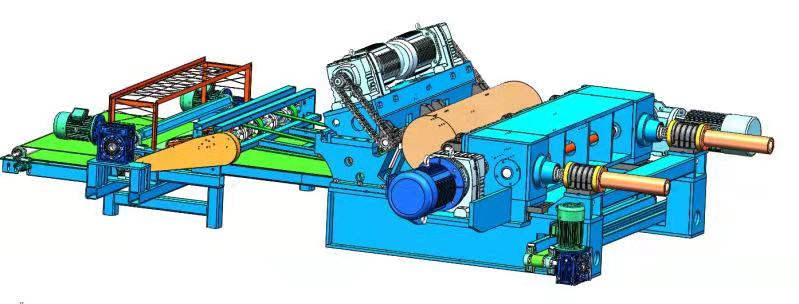
Following the conditioning, the logs enter the heart of the transformation: the cutting mill. Here, the artistry of woodworking meets the precision of heavy machinery. The method of slicing is the primary determinant of the final aesthetic. For those seeking a dramatic, swirling effect reminiscent of woodturning, the rotary cutting technique is employed. In this method, the log is mounted centrally and spun against a stationary blade, effectively "peeling" it like a giant roll of paper towels to produce a continuous sheet of veneer. Conversely, for applications requiring a more linear, book-matched appearance—such as executive boardroom tables or feature walls—architects often specify flat-slicing or quarter-slicing. These techniques involve mounting the log on a carriage and passing it across a blade, yielding sequential leaves that can be rejoined to create symmetrical patterns. This stage is where the hidden potential of the wood is unlocked, translating three-dimensional growth rings into two-dimensional works of art.
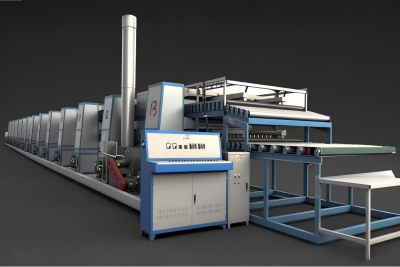
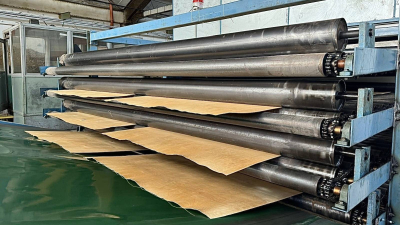
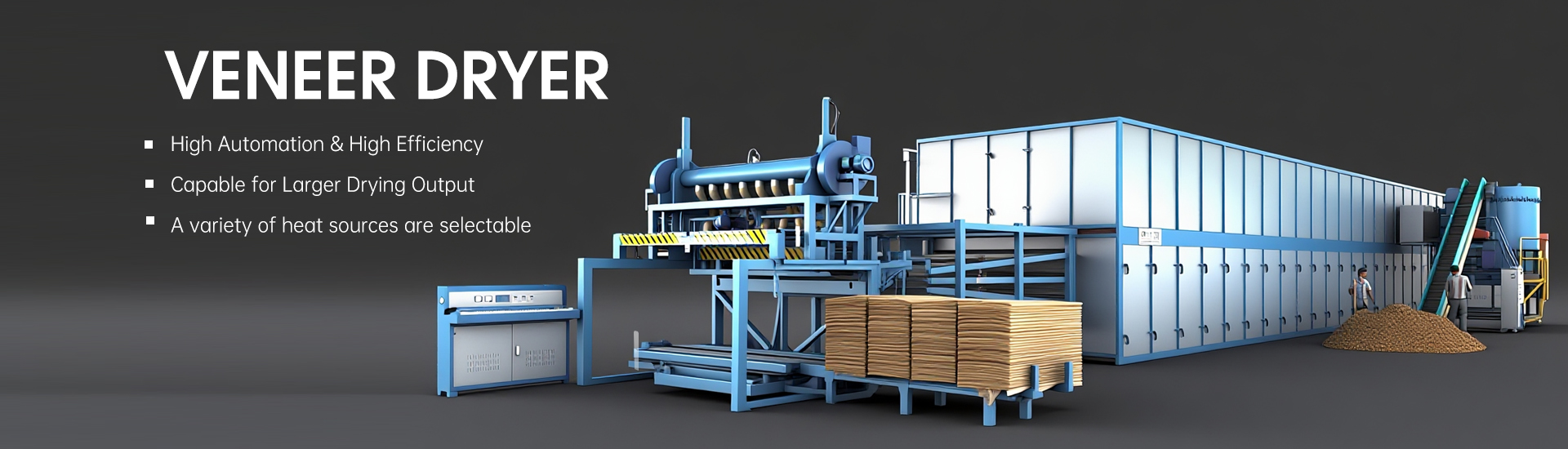
However, raw wood is inherently unstable; its tendency to warp, cup, or split when exposed to atmospheric changes is a significant hurdle. This is where the science of drying becomes paramount. Freshly cut veneers carry a high moisture content, and rapid evaporation can cause catastrophic damage. To combat this, manufacturers utilize sophisticated kiln-drying systems or continuous conveyor dryers. These chambers maintain precise temperature and humidity gradients, allowing the moisture to escape slowly and uniformly. By reducing the moisture content to a carefully calibrated level, typically between 8% and 12%, the wood achieves dimensional stability. This invisible process is the unsung hero of the industry, ensuring that a veneered door installed in a humid coastal home will not delaminate or crack over time.
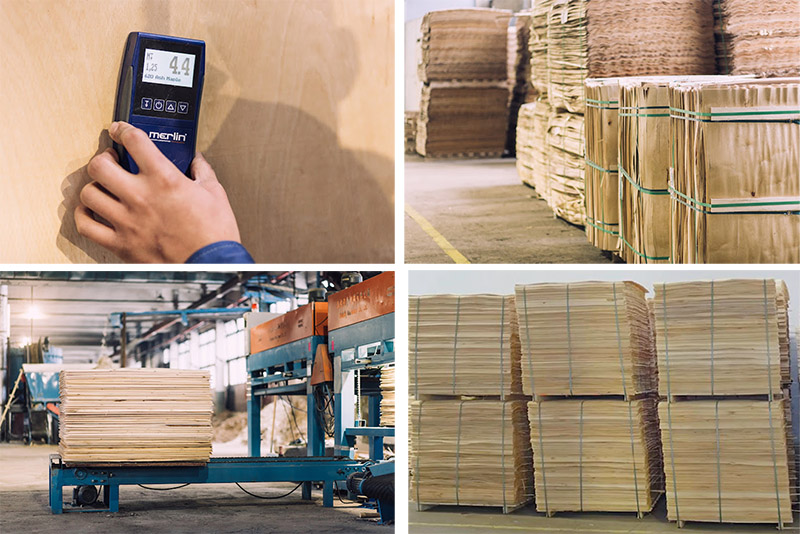
After drying, the fragile sheets move to the sorting and grading floor. Under bright, color-corrected lighting, skilled technicians inspect every square inch of the material. They categorize the veneers based on strict criteria: the clarity of the grain, the consistency of the color tone, and the absence of natural defects like knots or mineral streaks. This process, known as "matching," is essential for large-scale installations. Imagine cladding a hotel lobby wall; if the veneers were not graded and sequenced, the visual flow would be jarring. By bundling sheets with identical characteristics, manufacturers ensure that the final product offers a seamless, uniform appearance. This attention to detail elevates the material from a commodity to a premium design element.
The penultimate stage involves enhancing the wood's inherent resilience. Raw veneer is susceptible to ultraviolet radiation, moisture, and insect infestation. To fortify it, the sheets undergo a regimen of chemical treatments. These may include fungicidal washes to prevent mold and mildew, as well as UV inhibitors to protect against fading. Furthermore, the edges of the sheets are precisely trimmed to ensure perfect alignment during the assembly process. Companies that invest in state-of-the-art finishing technologies, such as Royale Touche, utilize precision-guided lasers and automated trimming systems. This ensures that each sheet meets exacting standards of size and finish, preparing them for the final marriage with a core substrate.
The culmination of this intricate process occurs in the lamination plant. Here, the delicate veneer skin is bonded to a sturdy foundation—typically engineered wood products like Medium Density Fiberboard (MDF), particleboard, or multi-layered plywood. The choice of adhesive is critical; modern manufacturing favors high-solid-content, waterproof glues that create a permanent bond. Using massive hydraulic presses, the veneer and substrate are fused together under intense heat and pressure. This consolidation creates a composite panel that possesses the best attributes of both components: the structural integrity and affordability of the engineered core, coupled with the irreplaceable tactile and visual qualities of the natural wood surface. Once cooled, these panels can be sanded and finished with lacquers or oils to achieve the desired sheen, ready to be shipped to cabinetmakers and contractors worldwide.
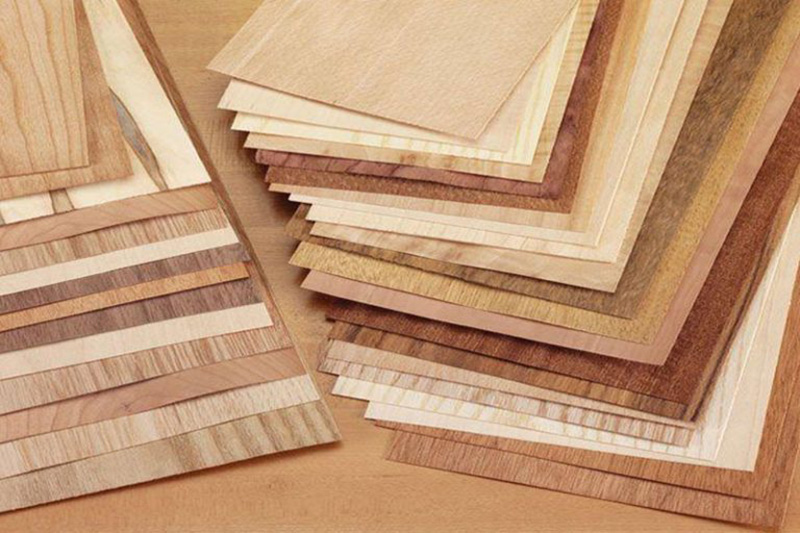
The significance of this manufacturing pipeline extends beyond mere aesthetics. In an age of dwindling old-growth forests, veneer technology represents a triumph of sustainability. By peeling a single log into hundreds of square meters of veneer, the industry maximizes the yield of every tree harvested. This efficiency makes wood accessible to a broader market, democratizing the use of exotic species that would otherwise be prohibitively expensive if used in solid form. Furthermore, the use of fast-growing plantation woods for substrates reduces the demand for slow-growing hardwoods, preserving ancient ecosystems.
Ultimately, the modern veneer sheet is more than just a "wood look-alike." It is a high-performance material born from a rigorous, multi-stage industrial process. From the careful selection of the log to the high-pressure bonding of the final panel, each step is designed to capture the soul of the forest while meeting the practical demands of contemporary architecture. As consumers become more discerning and environmental regulations tighten, the veneer industry stands as a prime example of how innovation can reconcile our desire for natural beauty with the imperative of responsible resource management. The next time you admire the rich walnut grain of a library panel or the elegant maple of a retail display, remember the complex journey and technological mastery that made that fleeting glimpse of nature possible.