Reconstituted Veneer: Nature Perfected
In the evolving landscape of global interior design and furniture manufacturing, a technological marvel is rapidly reshaping the supply chain: reconstituted decorative veneer, widely known in the industry as engineered veneer. Moving beyond the limitations of natural timber, this innovative surfacing material represents the pinnacle of wood science, offering a flawless fusion of nature’s aesthetics and modern engineering’s precision. Unlike traditional solid wood or standard rotary-cut veneers, reconstituted veneer is a man-made product designed to replicate the most exquisite and rare wood grains while significantly enhancing physical durability. Its rise is not merely a trend but a strategic shift towards sustainable, high-performance materials that cater to the demanding requirements of contemporary architecture and luxury furniture.
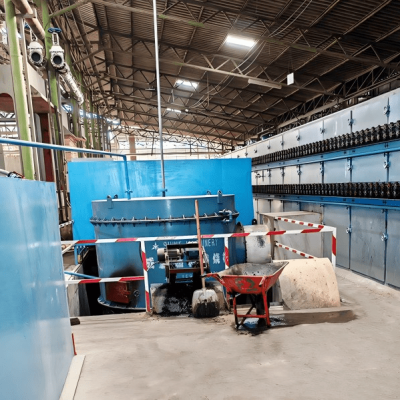
The journey of creating this remarkable material begins long before the first slice is taken. It starts with the meticulous selection of raw timber. Manufacturers prioritize logs with uniform texture and straight grain patterns, typically sourced from fast-growing, sustainable plantations. The selected logs undergo a crucial softening process to prepare them for peeling. By immersing the wood in heated water vats, the fibers relax, reducing hardness and minimizing cutting resistance. This hydrothermal treatment is vital; it ensures the integrity of the wood cells, preventing cracks and tear-outs during the subsequent peeling phase, thereby guaranteeing a pristine canvas for the finishing process.
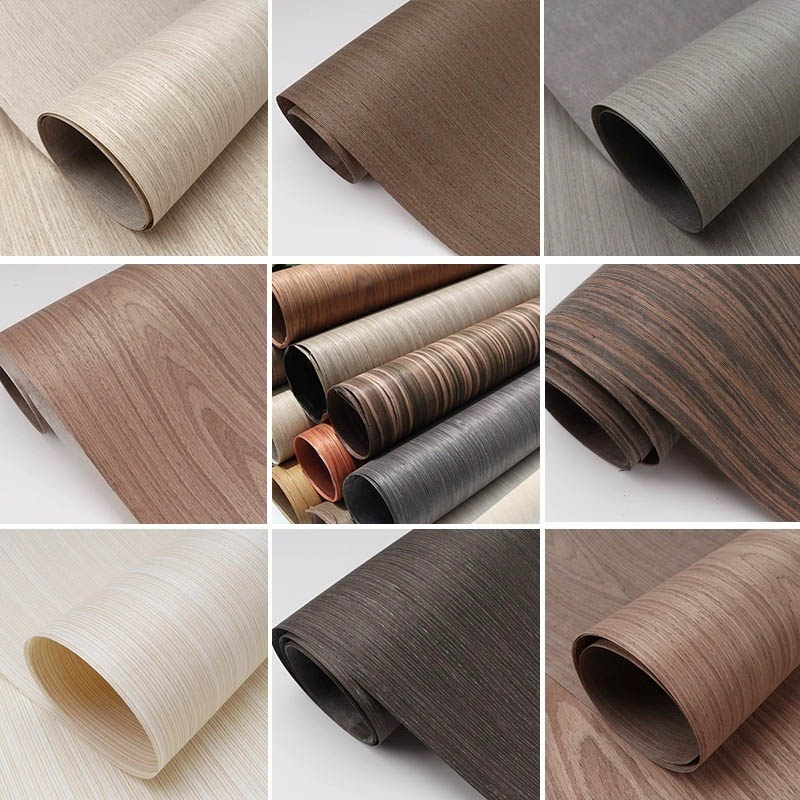
Following the softening, the logs are fed into high-speed rotary lathes. Precision is paramount here, as the logs are peeled into continuous, ultra-thin sheets. This stage requires advanced machinery capable of maintaining consistent thickness across thousands of square meters of veneer. The resulting green veneers are then subjected to a transformative dyeing process. Initially, the veneers are bleached to remove any inherent pigments and impurities, creating a neutral base. Subsequently, they are infused with specialized dyes. This is where the "engineering" truly shines—technicians can simulate the chromatic depth and intricate grain patterns of prestigious species like ebony, rosewood, or birdseye maple. This capability allows designers to achieve visual consistency across large projects, a feat impossible with the natural variability of quartered logs.
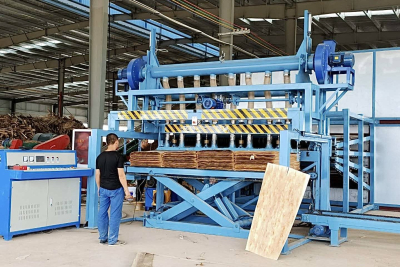
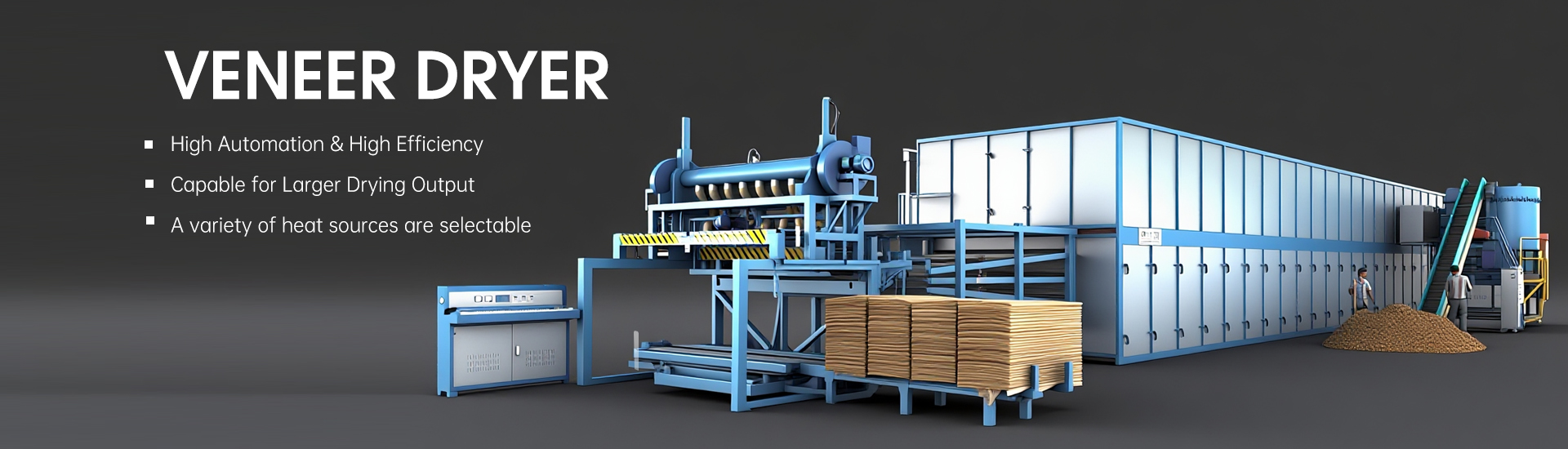
Once dyed, the veneers must be stabilized through a controlled drying regimen. Utilizing high-efficiency veneer drying machines, the moisture content is systematically reduced to an optimal range of 8% to 12%. This specific moisture window is critical; it prevents the veneers from warping, shrinking, or swelling during later stages. Modern veneer drying technologies ensure uniform heat distribution, eliminating internal stresses within the wood fibers. This step locks in the color and prepares the veneers for the structural assembly that follows, ensuring dimensional stability that surpasses that of many natural woods.
The core of the reconstitution process lies in the lay-up and lamination. Here, the dried and colored veneers are assembled into massive blocks, or "flitches," based on a predetermined pattern. Multiple layers are coated with a high-performance adhesive renowned for its water resistance and flexibility. This glue application must be flawlessly uniform to prevent delamination and ensure the block can withstand the final cutting process. The assembled block is then placed into a hydraulic hot press. Under intense pressure and elevated temperatures, the adhesive cures completely, bonding the layers into a solid, monolithic log. The calibration of pressure and duration during this phase dictates the final density and structural integrity of the engineered log, making it robust enough for slicing.
To further enhance surface resilience, some production lines incorporate a laminating stage. A protective film—such as PVC or a specialized decorative overlay—may be applied to the surface of the block. This not only provides an additional layer of protection against abrasion and moisture but also allows for unique textural effects. Following this, the block is ready for the final transformation: slicing. Using precision slicers, the block is shaved into the final veneer sheets. The thickness can be adjusted anywhere from 0.2mm to 2.0mm, depending on the intended application. Through various cutting angles and repeated combinations, manufacturers can produce complex, repeating patterns that offer a depth of design unattainable with natural timber.
The final stages involve refinement and quality assurance. The sliced veneers undergo edge trimming to remove any rough borders, followed by a meticulous sanding process to eliminate burrs and achieve a silky-smooth finish. Each sheet is inspected for color consistency, pattern accuracy, and structural soundness. The result is a product that offers not just the visual warmth of wood but also superior resistance to wear, moisture, and pests.
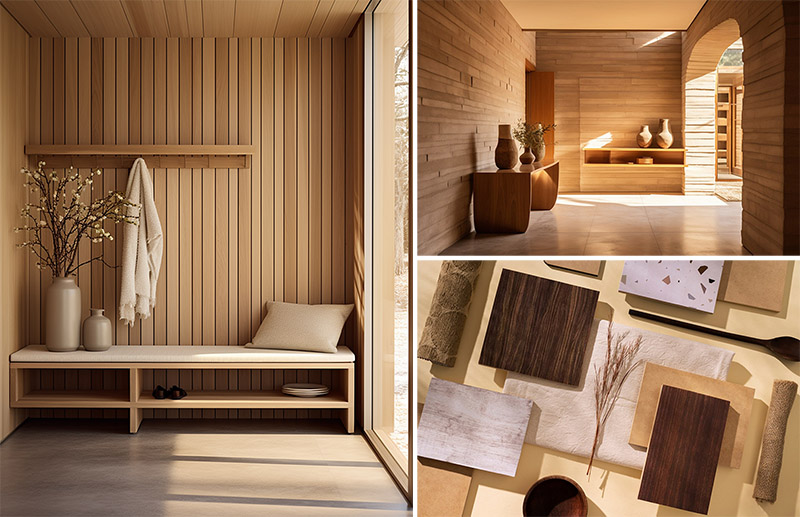
The advantages of reconstituted veneer extend far beyond aesthetics. Environmentally, it reduces the reliance on old-growth forests and endangered tree species, supporting global conservation efforts. Economically, it offers a cost-effective alternative to expensive hardwoods without compromising on luxury. For architects and designers, it provides a reliable, predictable material that simplifies inventory management and ensures project continuity. From high-end cabinetry and flooring to wall paneling and designer furniture, engineered veneer is setting a new benchmark. As manufacturing techniques continue to advance, the line between nature and technology blurs, proving that the future of wood lies not just in the forest, but in the ingenuity of modern production. Reconstituted veneer is not merely an imitation; it is an evolution—nature perfected for the modern world.