Why Is Your Veneer Dryer Underperforming?
In the high-stakes world of wood processing, production bottlenecks are the enemy of profitability. For many mill operators, the veneer drying machine is the heartbeat of the operation, transforming fragile, green sheets into durable, market-ready wood veneers. Yet, a recurring challenge plagues both new and established facilities: the frustrating reality of a wood veneer dryer that fails to meet its rated capacity. When output drops below expectations, the entire production line suffers, leading to stockpiles of wet veneers and missed delivery deadlines. Understanding the multifaceted reasons behind this underperformance is the first step toward reclaiming efficiency.
One of the most prevalent culprits lies not within the veneer drying machine itself, but at the very beginning of the process: the raw material characteristics. The moisture content of freshly peeled veneers can vary dramatically depending on the species, season, and even the part of the log from which they were cut. If the incoming wood veneers have a moisture content exceeding 80% or 100%, the drying system must work exponentially harder to achieve the target 8-10%. Similarly, inconsistencies in veneer thickness present a significant hurdle. A veneer drying machine calibrated for 1.5mm sheets will struggle to process a batch containing 3mm sheets without slowing down the line to allow for deeper heat penetration. Without strict quality control at the peeling lathe, the dryer becomes a victim of upstream variability.
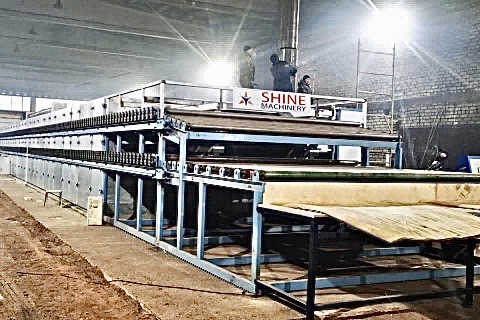
Furthermore, the physical state of the feedstock critically impacts throughput. Operators often overlook the impact of "double feeding," where two sheets enter the wood veneer dryer simultaneously, causing jams or uneven drying. Conversely, gaps in the feeding sequence mean the veneer drying machine is running empty, wasting energy and time. For facilities utilizing a Shine flip-type dryer or similar roller systems, ensuring a continuous, single-layer flow of wood veneers is paramount. Any interruption in this rhythm directly translates to a drop in hourly output.
Moving deeper into the machine, thermal inefficiency is a silent killer of productivity. A veneer drying machine relies on a delicate balance of temperature, airflow, and humidity removal. If the heat source—be it a biomass burner, thermal oil heater, or steam boiler—fails to deliver consistent temperatures within the optimal 100°C to 130°C range, evaporation rates plummet. Blockages in the heat exchangers or leaks in the ductwork can reduce the actual temperature inside the drying chamber by 10-15 degrees, forcing operators to reduce the conveyor speed to compensate. Moreover, the heart of any wood veneer dryer is its fan system. If axial fans are clogged with dust and debris, or if belts are slipping, the crucial air circulation required for uniform drying is compromised. Poor airflow creates "dead zones" where moisture lingers, necessitating longer residence times and thus lowering the overall capacity of the veneer drying machine.
The exhaust system plays an equally vital role. A wood veneer dryer must expel moist air to make room for dry air. If the exhaust fans are undersized or the vents are blocked, the relative humidity inside the chamber rises. High humidity drastically slows the evaporation rate, meaning wood veneers take much longer to dry. This issue is often exacerbated in humid climates or during rainy seasons, requiring a recalibration of the exhaust settings to maintain throughput.
Operational parameters and human factors also contribute significantly to underperformance. Many operators, eager to maximize output, push the speed of the veneer drying machine beyond its mechanical limits. This results in "half-baked" wood veneers that fail quality checks, leading to costly re-drying cycles that ultimately reduce net productivity. On the other hand, overly conservative settings—running the dryer too slowly—leave potential capacity on the table. Finding the "sweet spot" requires a sophisticated understanding of the relationship between speed, temperature, and veneer specifications. Additionally, a lack of routine maintenance is a primary driver of capacity loss. Worn-out chains, misaligned rollers, and fraying conveyor belts increase friction and downtime. A veneer drying machine that is frequently stopped for minor repairs will never achieve its designed output.
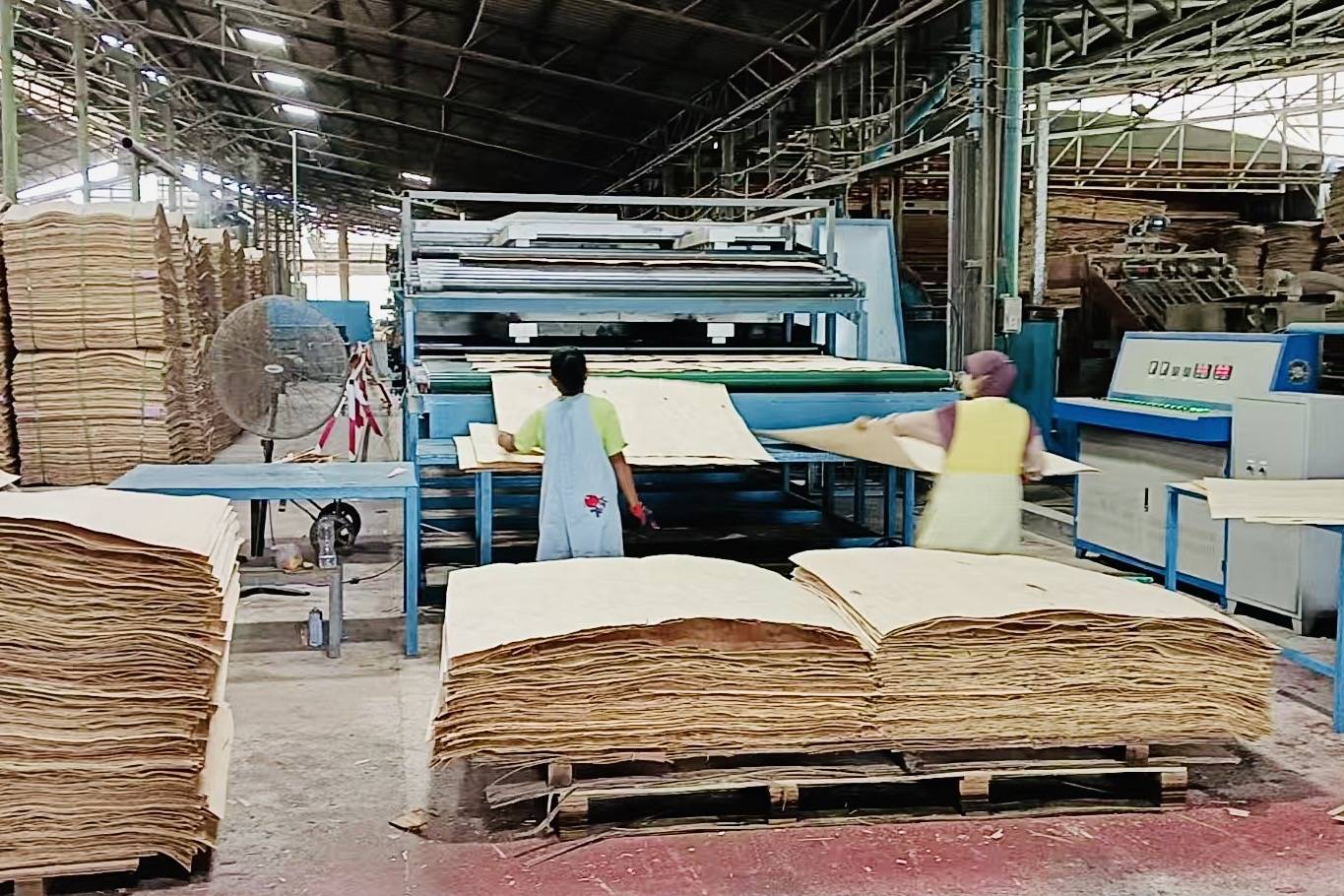
Finally, the integration of the wood veneer dryer with downstream equipment can create unforeseen bottlenecks. If the stacking system at the end of the line cannot keep pace with the dryer’s output, the entire veneer drying machine must be slowed down or stopped. Similarly, inadequate storage space for dried wood veneers can force premature shutdowns. Effective production management requires a holistic view, ensuring that the dryer is not just performing well in isolation, but is harmoniously integrated into the factory’s workflow.
In conclusion, diagnosing why a veneer drying machine is underperforming requires a systematic approach. It involves scrutinizing everything from the moisture content of the raw logs to the cleanliness of the exhaust filters. By addressing issues related to raw material variability, thermal efficiency, airflow dynamics, operational discipline, and maintenance schedules, mill managers can unlock the hidden potential of their wood veneer dryer. Restoring a veneer drying machine to its peak performance is not merely about fixing a machine; it is about optimizing the entire ecosystem of the wood processing plant to ensure that every sheet of veneer is dried efficiently, consistently, and profitably. Only through such diligence can manufacturers ensure their investment in a high-capacity veneer drying machine delivers the returns they expect.