How to Apply Veneer to Plywood
Why We Treat Veneer Application Like a Science
When we walk into our veneer production hall, we feel the energy hit us. Fans roar. Belts slide. Hot air rolls over the floor like waves.
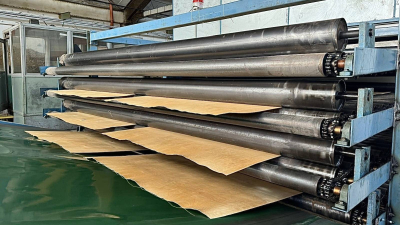
Our team stands ready to guide thousands of veneer sheets through the drying process and onto plywood. We run this line every day, and it shapes how we think, speak, and breathe. We talk about how to Apply Veneer to Plywood with pride because our entire workflow depends on one core truth. Dry veneer controls the final quality. Wet sheets cause chaos. Uneven moisture creates waves that ruin panels.
So we treat veneer drying as the soul of our operation. When our drying solution runs smooth, we feel invincible.
Why Dry Veneer Sets the Tone for Perfect Bonding
Dry veneer gives us control. Moist sheets fight the glue. Curled sheets fight the press. We learned this the hard way during a night shift when a batch of twisted sheets jammed two conveyors and almost made us cry.
Our Drying Priorities
· Keep moisture at target ±0.5%
· Maintain airflow stability
· Track temperature by zone
· Keep sheet tension balanced
· Check flatness after exit
Uniform drying feels like magic. One tiny change in heat flips the mood of the entire line. We watch numbers on screens like pilots. It keeps us sane.
What Dry Veneer Improves
· Glue flow
· Adhesion strength
· Panel flatness
· Press cycle efficiency
· Long-term stability
Dry veneer never lies. It shows the truth in every panel.
How We Prepare Sheets Before Application
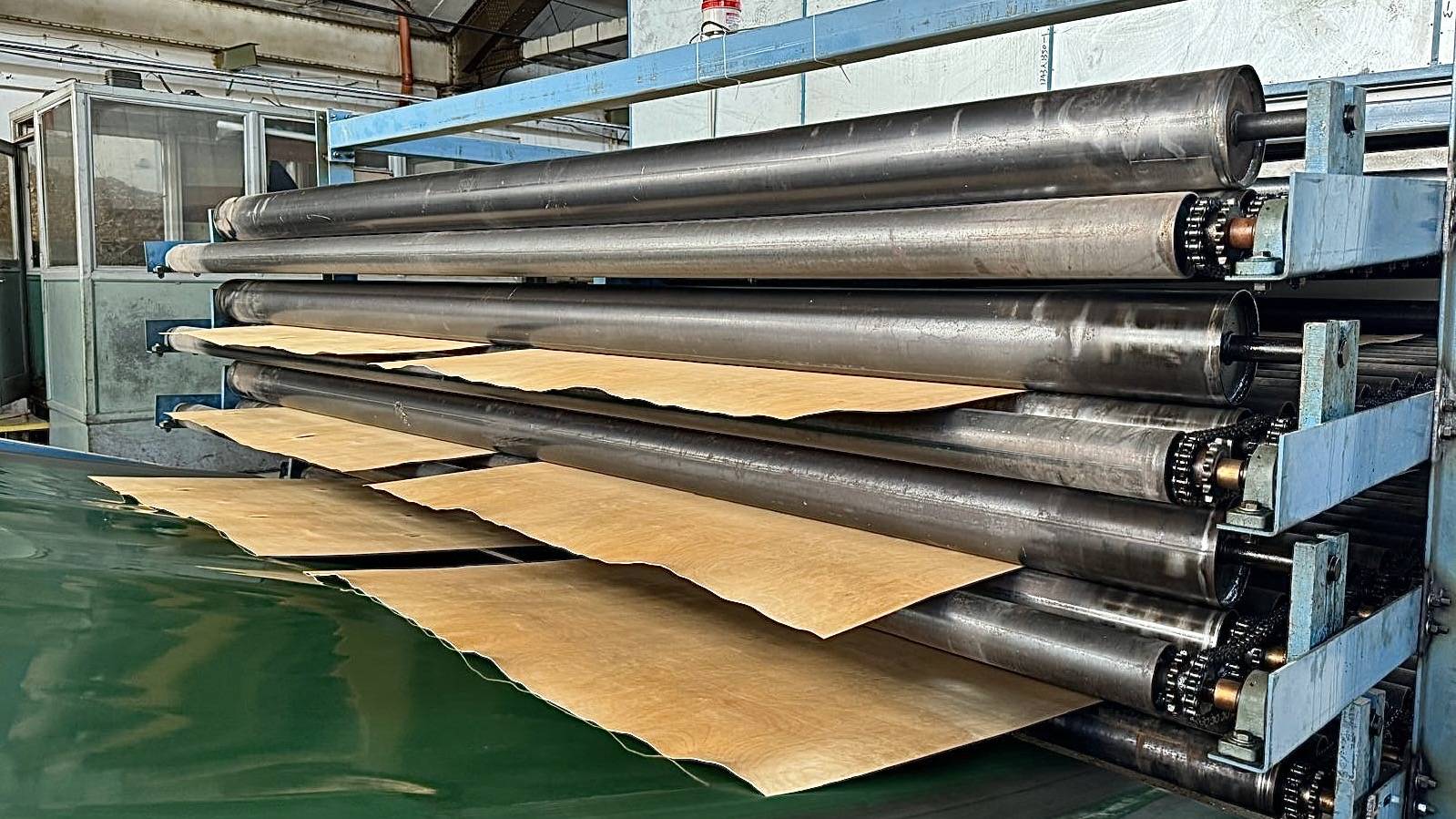
Our veneer sheets enter the line with attitude. Some bend. Some twist. Some look like they fought a storm.
We guide them with patience and a few jokes so the team stays happy.
Our Pre Check Steps
1. Scan thickness with laser heads
2. Grade sheets by density
3. Align edges with servo gates
4. Trim torn fibers
5. Group sheets by moisture band
This step saves time later because aligned sheets behave better under glue and pressure.
How to Apply Veneer to Plywood in Industrial Style
We run an industrial line, not a hand tool bench. Our steps follow a large-scale flow but still follow the same core logic used in small workshops. We just do it faster, louder, and with more sensors than anyone expected.
Our Application Sequence
1. Feed plywood panels into the cleaning zone
2. Sweep off dust with soft rotating brushes
3. Roll adhesive at a calibrated thickness
4. Lay veneer sheets with alignment rollers
5. Transfer panels into the hot press line
We treat every step like a small mission. If one part slips, the whole panel slips with it.
How Our Glue Line Adds Strength to Each Panel
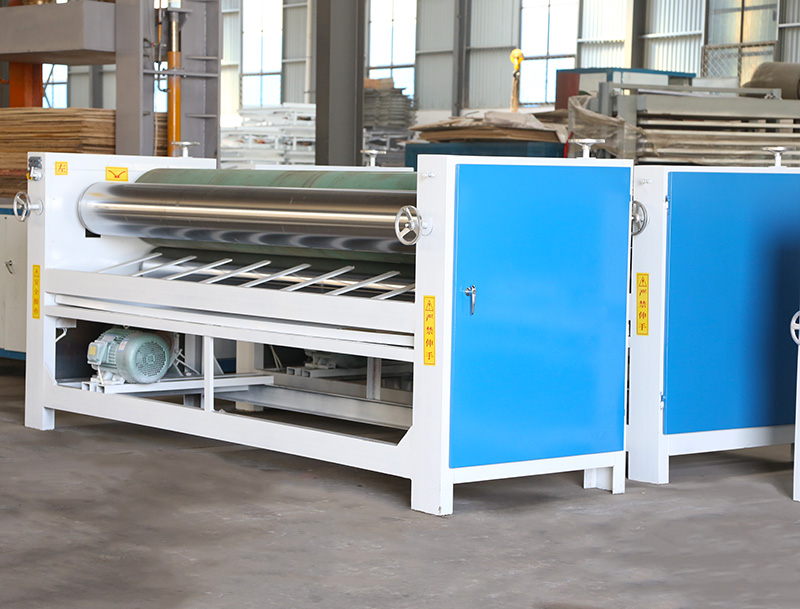
Glue behaves like a living thing. Temperature changes push viscosity out of balance. Flow rate shifts with density. Our operators call glue the “mood ring” of the factory.
Glue Control Facts
· Roller gaps stay within ±0.02 mm
· Temperature holds at a stable range
· Viscosity monitored in real time
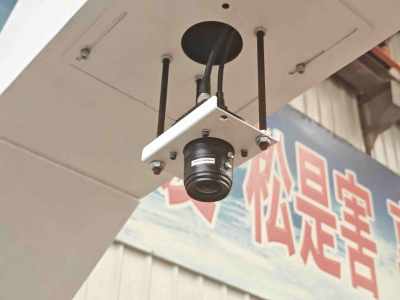
· Spread width checked by optical eyes
· Flow rate adjusted by servo drives
We laugh when glue behaves, but we hold our breath when it suddenly thins out. Nothing ruins a day like glue trails on the floor.
How Glue Bonds Work Better With Dry Veneer
· No trapped moisture
· No steam pockets
· No bond bubbles
· More even pressure
· Better long-term bonding
Dry veneer makes the glue feel calm. Calm glue makes our team calm. It matters.
Pressing Where Power Meets Precision
Our press units look like steel giants. They run with force that shakes the floor, but they offer precision down to fractions of a millimeter. We trust them with our best veneer sheets.
Our Press Setup
· Hot zones are balanced across all layers
· Pressure is monitored every second
· Dwell time adjusted by veneer type
· Panel thickness checked after exit
· Cooling cycle brings stability
We love the sound of a smooth press cycle. It feels like music made of pressure and heat.
Why Pressing Loves Uniform Drying
· Sheets stay flat
· Glue reacts predictably
· Gas release stays stable
· No panel warp
· No random surprises
Drying gives structure. Pressing gives strength. Both walk hand in hand.
Trimming and Finishing for Full-Scale Output
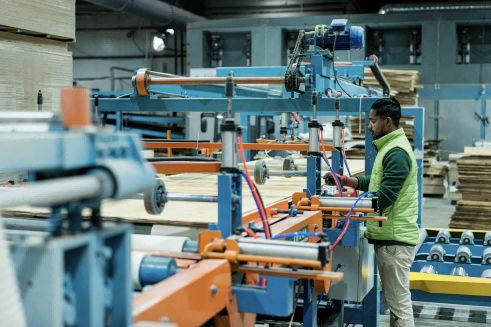
Once panels exit the press, we guide them into trimming lines. Saws cut edges clean. Sanders' smooth bumps. Robots sort panels with calm confidence.
Finishing Flow
1. Trim with CNC blades
2. Sand with dual heads
3. Inspect defects with scanners
4. Sort into grade groups
5. Stack for delivery
The moment the final panels stack straight, we all smile because straight stacks mean stable drying.
Common Issues and How We Fix Them Fast
Even with strong systems, wood still throws surprises. It acts like it has its own personality.
Our Fix List
· Moisture pockets: reduce feed speed
· Edge curl: open airflow gates
· Glue streaks: recalibrate roller gap
· Surface waves: tweak heat profile
· Bond failure: Check the veneer moisture again
We treat each problem like an old friend. Annoying but familiar.
How Our Drying Process Lifts the Entire Production Line
We rely on our drying process more than any other step. It sets the tone for glue adhesion, pressing strength, and final panel stability. A strong drying solution makes everything easier and smoother.
Dry veneer reduces rejection rate. It keeps operators calm. It protects press units from overload. It even reduces our repair budget, which always makes the boss happy.
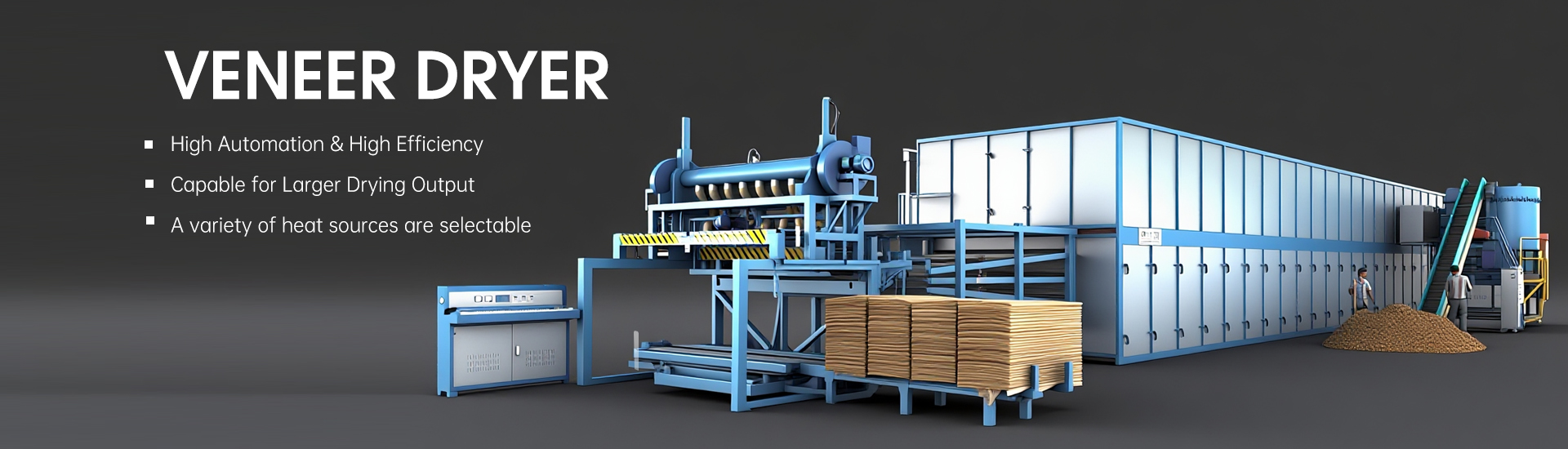
We trust our Veneer Dryer Machine because it stands as the backbone of our factory. Without it, we lose balance. With it, we create strong panels every day and feel proud doing it.
Final Thoughts From Our Production Floor
Working with veneer sheets teaches us patience, skill, and respect for natural material. We see each sheet enter the line raw and stressed. We guide it through drying and bonding. We send it out strong, smooth, and ready for market.
We feel proud because our drying process supports the plywood industry. We feel motivated because each batch gives us new data and new lessons. We feel excited because Wood keeps challenging us, and we enjoy the game.
Perfect veneer application starts with perfect drying. We live by that rule every day.