How Veneer Dryers Work for Plywood Production?
Roller and Mesh Belt Dryers Key in Plywood Production
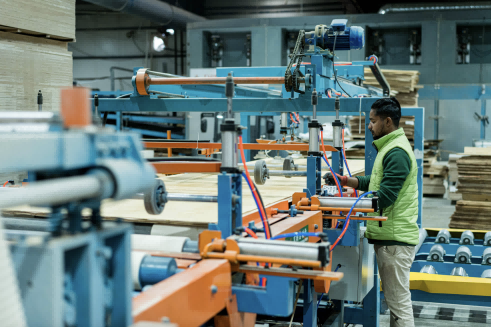
In the entire manufacturing process of plywood, dryers are indispensable equipment. The drying of veneers is a crucial link that connects previous and subsequent procedures, directly determining the stability of subsequent gluing and hot-pressing processes as well as the quality of finished products. Roller veneer dryers and mesh belt veneer dryers are both essential because they target different veneer characteristics and production needs, forming a complementary relationship in the process flow.
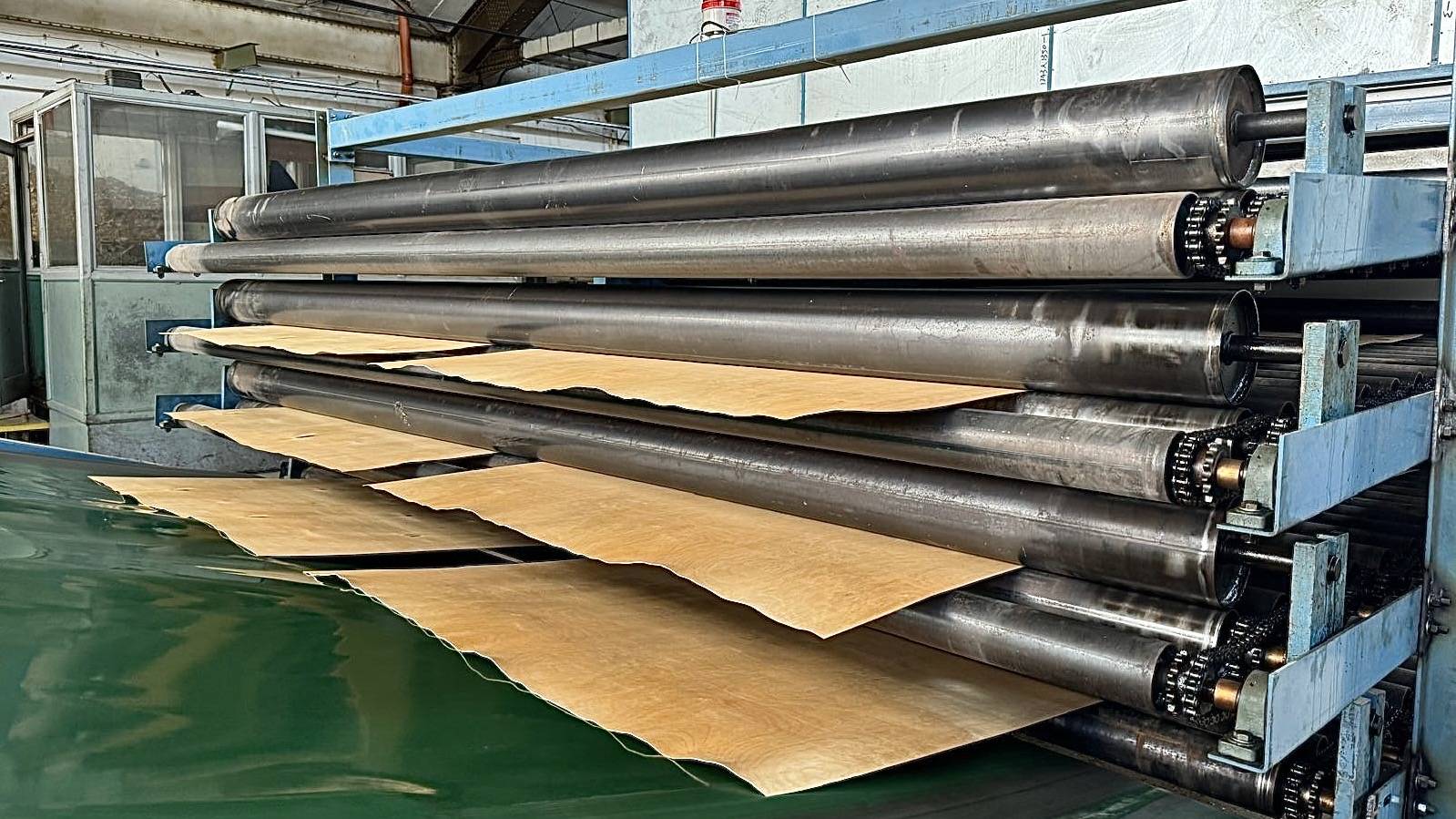
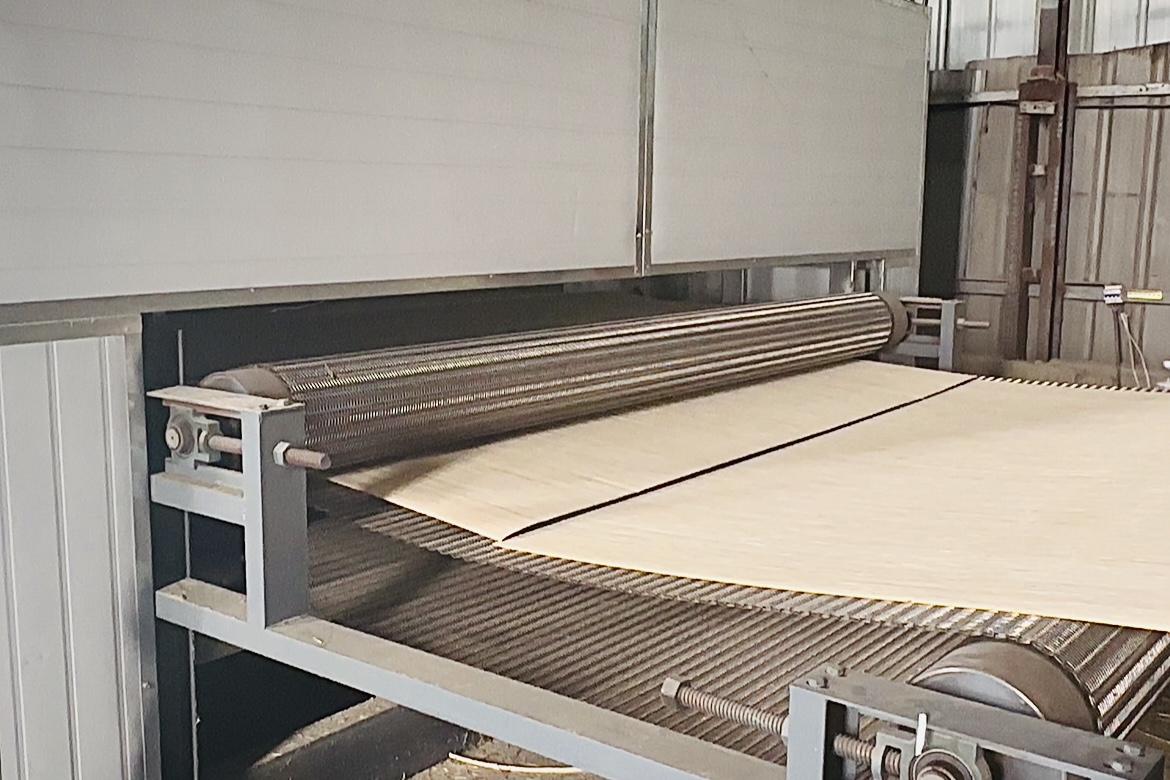
The roller veneer dryer is suitable for core veneer drying, mainly used for veneers with a thickness above 0.8 millimeters, and features high production capacity. In contrast, the mesh belt veneer dryer is designed for face veneer drying, primarily applied to veneers below 0.6 millimeters thick for laminating plywood surfaces, aiming to preserve the surface quality of the veneers.
The Critical Role of Veneer Drying in Plywood Manufacturing
Veneer drying stands as one of the most pivotal stages in plywood production. Freshly peeled veneers from rotary cutters typically contain moisture content ranging from 60% to 100% (wet basis). If such high-moisture veneers enter the hot-pressing stage without adequate drying, the sudden evaporation of water during pressing can lead to serious defects such as bubbling, delamination, and reduced bonding strength. Moreover, uneven drying creates internal stresses within the veneers, resulting in warping, twisting, or shrinkage that compromises the flatness and dimensional stability of the final plywood panels. Therefore, selecting the appropriate drying technology is not merely a matter of equipment choice—it directly impacts product yield, performance, and market competitiveness.
Roller Veneer Dryer: High-Capacity Solution for Core Veneer Drying
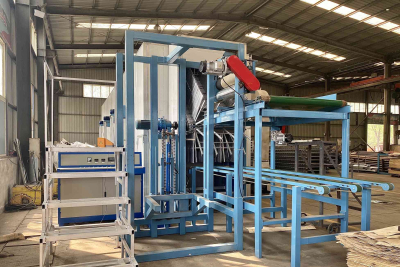
The roller veneer dryer operates by feeding veneers into a rotating heated cylinder where hot air circulates and dries the material while mechanical tumbling ensures even exposure to heat. This type of dryer excels in handling thicker veneers, specifically those above 0.8 mm, which are commonly used as core layers in plywood construction. Core veneers require rapid moisture removal to prepare them for subsequent bonding processes, but they are less sensitive to surface abrasion compared to face veneers. The robust design of the roller dryer allows it to process large volumes continuously, making it ideal for high-output manufacturing lines. Its ability to withstand rough materials containing bark particles or grit further enhances its suitability for initial or intermediate drying stages. By quickly reducing moisture levels to around 20%–30%, the roller veneer dryer prepares the core veneers for fine drying and conditioning before gluing.
Mesh Belt Veneer Dryer: Precision Drying for Face Veneer Quality
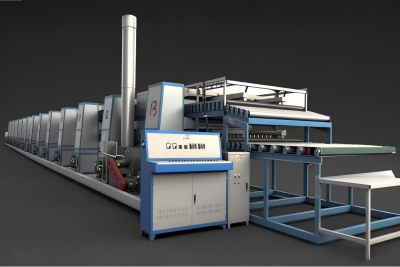
On the other hand, the mesh belt veneer dryer employs a conveyor system where veneers are laid flat on stainless steel mesh belts and transported through multiple temperature-controlled zones. This gentle handling method makes it particularly suitable for thin veneers below 0.6 mm, which serve as face layers providing aesthetic appeal and smooth surfaces to plywood panels. Face veneers demand meticulous drying control to avoid physical damage such as edge breakage, creasing, or surface scratches that could ruin their appearance. The mesh belt dryer’s multi-zone temperature regulation enables gradual moisture reduction to the optimal range of 8%–12%, minimizing internal stress and preventing warping. Additionally, its flexibility allows manufacturers to adjust belt speed, airflow, and temperature settings according to different wood species and veneer grades, ensuring consistent quality across diverse product lines. For premium-grade plywood requiring flawless surface finishes, the mesh belt veneer dryer is an indispensable tool.
Complementary Roles in Modern Plywood Lines
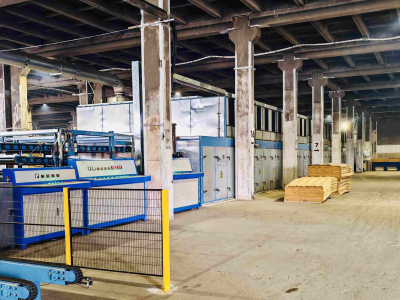
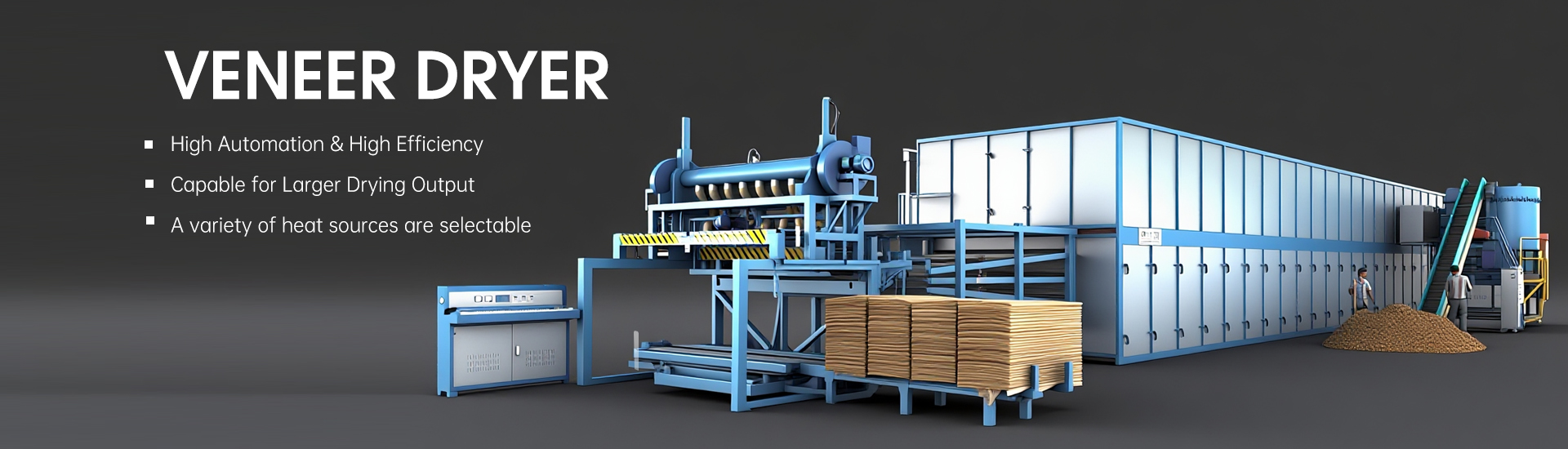
In practice, modern plywood factories often integrate both types of dryers into a coordinated drying line. The process typically begins with raw veneers entering the roller veneer dryer for pre-drying, where bulk moisture is removed efficiently. Subsequently, the partially dried veneers move to the mesh belt veneer dryer for precision finishing, achieving uniform moisture distribution and stable dimensions. This staged approach leverages the high throughput of roller dryers and the delicate handling of mesh belt dryers, ensuring both productivity and quality. Energy efficiency is also enhanced through heat recovery systems and optimized airflow designs, reducing operational costs over time.
Conclusion
The strategic use of roller veneer dryers and mesh belt veneer dryers reflects a deep understanding of material science and process engineering in plywood manufacturing. While roller dryers meet the demands of high-volume core veneer drying, mesh belt dryers safeguard the integrity of thin face veneers. Together, they form a comprehensive drying solution that underpins the structural reliability and visual excellence of plywood products. As the industry continues to evolve toward higher automation and sustainability, these two dryer types will remain cornerstones of efficient and high-quality plywood production.