Birch Veneer: Steam First, Peel Better
Steam Before Peeling Birch Veneer
In the world of wood-based panel manufacturing, birch veneer holds a premium position due to its light color, fine texture, and excellent strength. It is widely used in furniture, cabinetry, and high-end plywood. However, producing high-quality birch veneer is not as simple as feeding raw logs into a rotary peeler. A critical step that determines the success of the entire process is the pre-treatment of logs by steaming before rotary peeling and subsequent birch veneer drying.
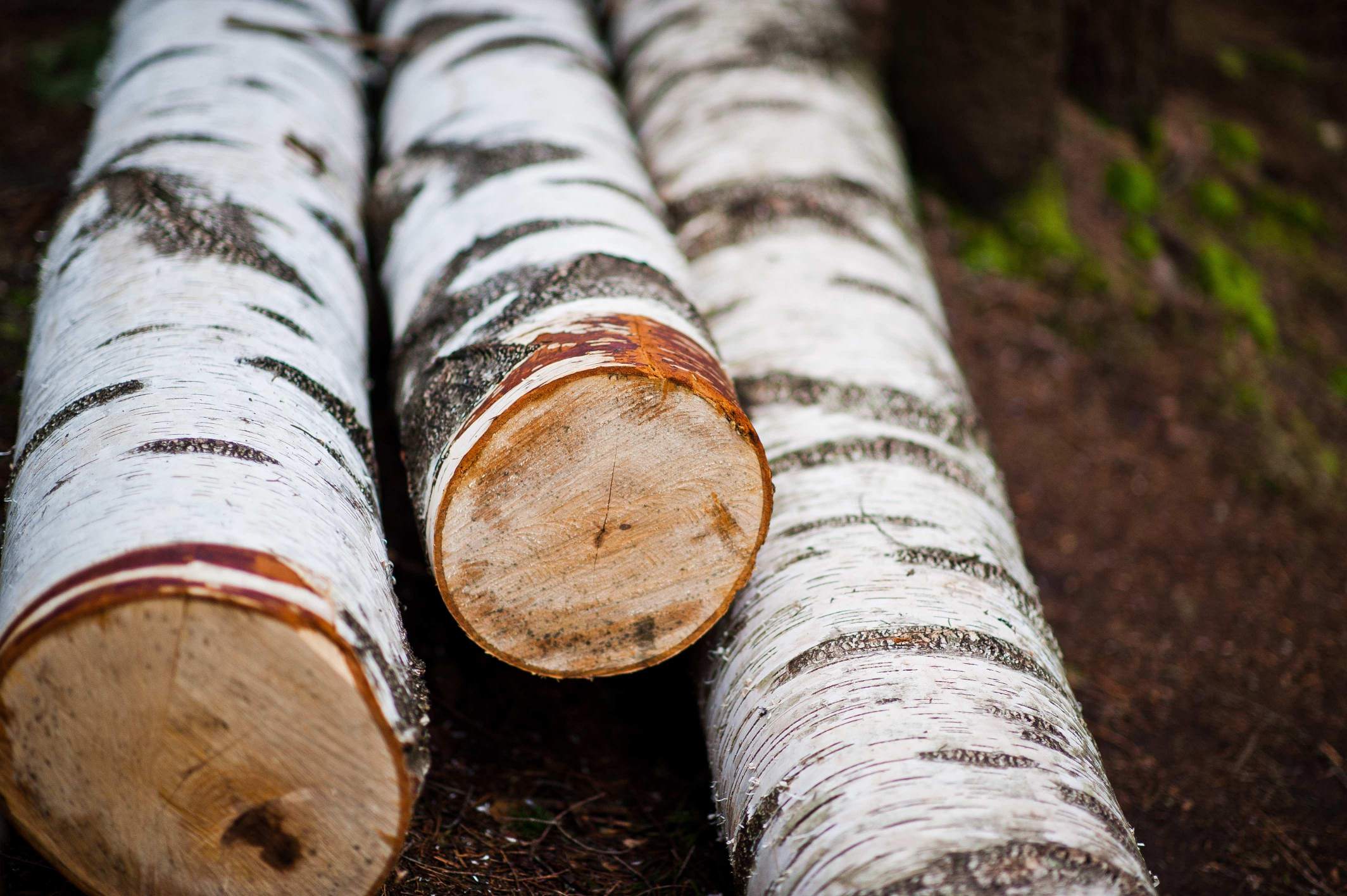
The reason behind this lies in the unique properties of birch wood. Birch is a relatively hard species with dense fiber structure. If logs are sent directly to a rotary peeler without steaming, the result is often poor: veneers may crack, break, or have rough surfaces with excessive tearing. Thickness uniformity becomes difficult to control, leading to high rejection rates. Steaming softens the wood fibers, increases moisture content, and makes the log pliable. This results in smooth, continuous sheets of veneer that are easier to handle in downstream processes.
Steaming also plays a vital role in balancing moisture distribution inside the log. Freshly harvested birch logs often carry uneven moisture content due to varying exposure conditions. Uneven moisture leads to differential shrinkage during drying, causing warping, bowing, and internal stress in the veneer. By subjecting the logs to steam, the moisture is distributed more uniformly throughout the cross-section, which helps the veneer maintain its shape and dimensional stability after veneer drying.
Another important benefit of steaming is the partial removal of natural extractives such as resins and tannins. These substances can interfere with the bonding process in later stages, especially when the veneer is used in plywood or laminated products. Excessive resin can block glue penetration, reducing bonding strength, while tannins can cause staining or discoloration. Steaming leaches out some of these compounds, improving the compatibility of the veneer with adhesives and ensuring better lamination results.

The process of steaming also softens the medullary rays and parenchyma cells, which are responsible for ray flecks and other figure patterns. When these tissues are softened, the knife of the rotary peeler encounters less resistance, and the risk of chipping or splintering is minimized. This not only improves the surface quality of the veneer but also extends the life of the peeling knives, contributing to overall production efficiency.
Following steaming, logs enter the rotary peeling stage. Here, the softened logs rotate against a stationary knife, producing continuous veneer sheets. Because steaming has already conditioned the wood, the rotary peeling process is smoother, and the veneer can be produced at higher speeds with fewer defects.
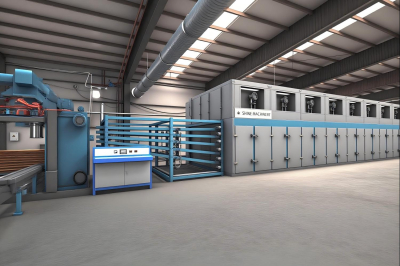
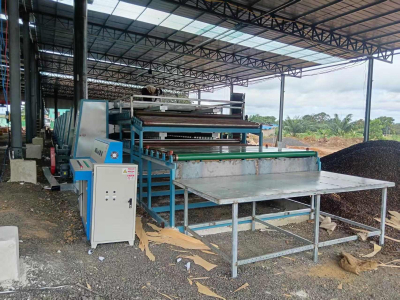
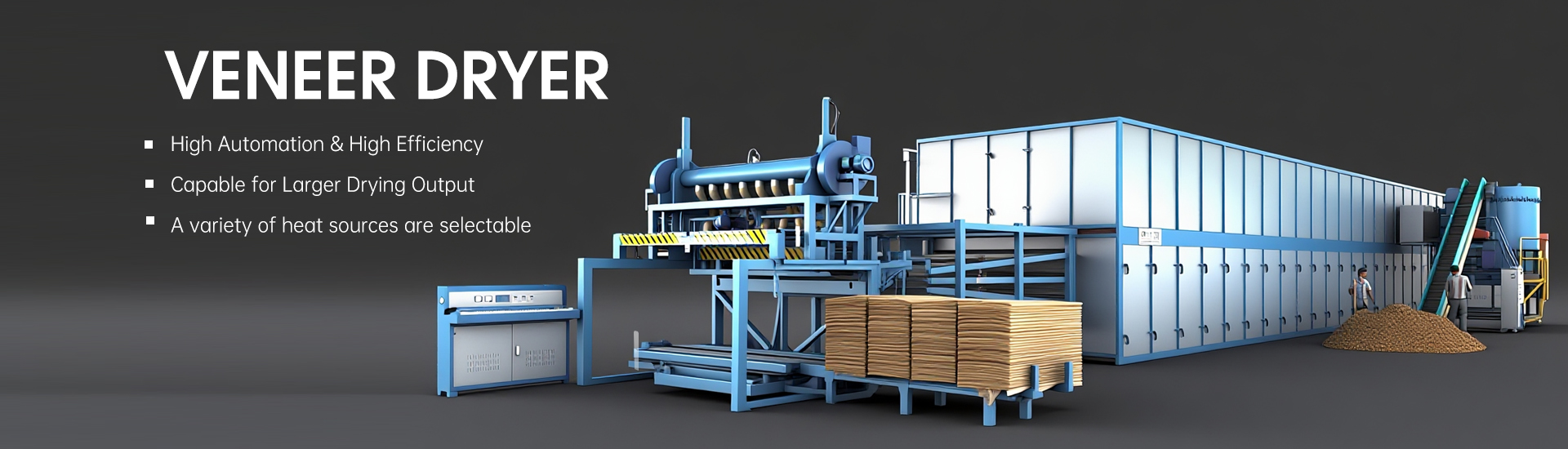
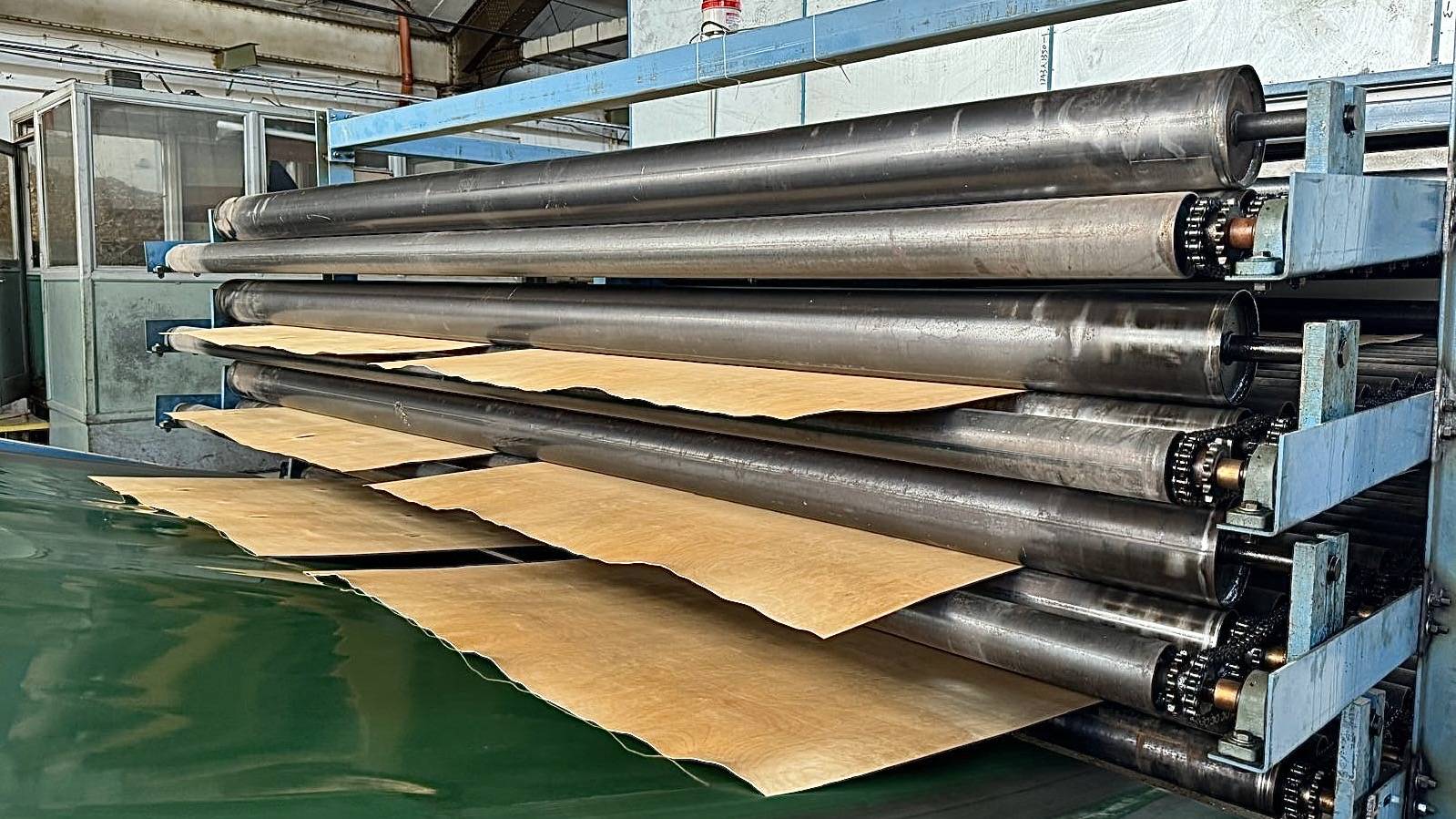
Once peeled, the green veneer must undergo veneer drying to reduce its moisture content to a level suitable for storage, handling, and gluing. Veneer dryers—such as roller veneer dryers or mesh belt veneer dryers—are employed to remove moisture uniformly. The steamed veneer, having a more balanced initial moisture profile, dries more evenly, reducing the risk of surface checking, warping, or internal stresses. Uniform drying is especially important for birch, as its light color and smooth surface are key selling points.
The benefits of steaming before rotary peeling and veneer drying go beyond quality. They also translate into economic advantages. With fewer broken or rejected veneers, less time is spent on sorting and rework. The reduced load on the rotary peeler and the veneer dryer means lower energy consumption and less wear on machinery. In addition, the higher output of usable veneer per log improves yield, which is a critical factor in a competitive market.
In modern birch veneer production lines, steaming is often carried out in large autoclave vessels where temperature, pressure, and duration are carefully controlled. The exact steaming parameters depend on factors such as log diameter, ambient humidity, and the season of harvest. After steaming, the logs are transferred to a conditioning area to equalize moisture before being fed into the rotary peeler. The peeled veneer is then conveyed to a veneer dryer, where it passes through multiple temperature zones to achieve the target moisture content, usually between 8% and 12%.
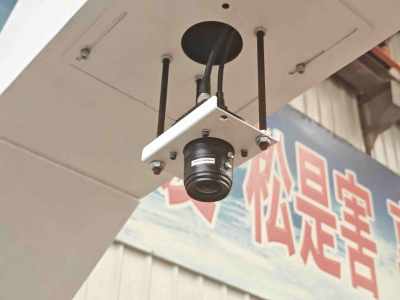
Quality control teams monitor the entire sequence to ensure that the veneer meets specifications for thickness, moisture content, surface smoothness, and absence of defects. Advanced lines integrate automated thickness gauges, moisture sensors, and defect detection cameras to maintain consistency.
In conclusion, steaming birch logs before rotary peeling and veneer drying is not merely a preparatory step—it is a foundational process that influences every subsequent stage of veneer manufacturing. By softening the wood, balancing moisture, removing interfering compounds, and easing machining, steaming enables producers to achieve higher yields, superior quality, and greater operational efficiency. For manufacturers aiming to compete in the premium segment of the veneer market, mastering this step is essential.