How Is Veneer Used in Furniture?
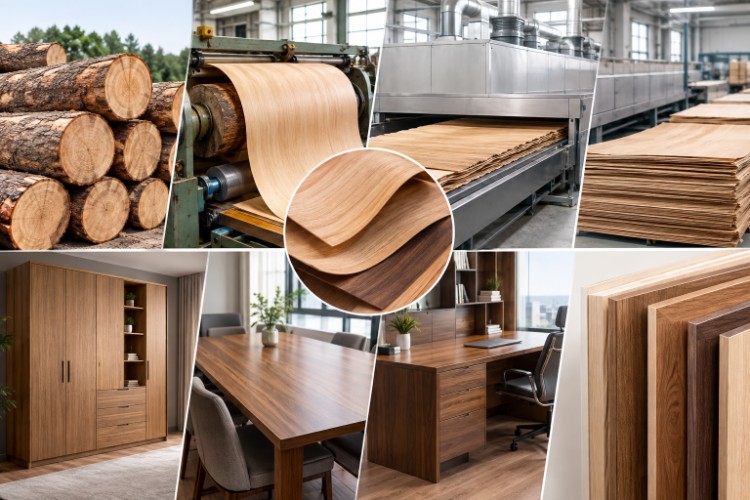
Wood veneer is common in modern furniture. It gives furniture a natural wood look without using thick pieces of solid wood. Furniture makers use veneer for tables, cabinets, doors, desks, and wardrobes.
But how is veneer used in furniture? The answer starts with the wood itself. Manufacturers cut logs into thin layers, dry them, and then place these layers on a strong core. This simple method can create beautiful and stable furniture.
What Is Wood Veneer?
Thin Wood From Natural Logs
Wood veneer is a very thin layer of natural wood. Manufacturers cut logs into thin slices with special machines. The cutting method affects the grain and final look.
Some veneer comes from rotary cutting. This method can create long sheets from a log. These products are called rotary cut veneers.
Other veneer comes from slicing. Sliced veneer often shows a more clear and regular grain. Both methods have a place in furniture production.
The main types of veneer include:
Sliced veneer
Rotary cut veneers
Quarter-sawn veneer
Reconstituted veneer
Engineered veneer
Each type has its own look and use. Furniture makers choose the right type based on the product design and cost.
Veneer and Solid Wood
Many people compare veneer with solid wood. Solid wood uses thick pieces of natural timber. It looks rich and feels strong, but it can cost more.
Large solid wood panels may also move when humidity changes. They can bend, shrink, or crack under poor conditions. Veneer can reduce some of these problems when manufacturers use a stable core.
We like veneer because it offers a good balance. It keeps the natural look of wood while using much less valuable timber.
How Furniture Makers Prepare Veneer
Cutting the Wood
The process starts with log preparation. Manufacturers remove the bark and prepare the log for cutting. Then, machines turn the log into veneer layers.
The cutting method depends on the final design. Rotary cutting works well for many core materials. Slicing often suits decorative furniture surfaces.
After cutting, workers check the veneer for defects. They may remove damaged areas or sort sheets by quality. This step helps create a better final product.
Drying Wet Veneer
Fresh veneer contains a lot of moisture. Manufacturers call this material wet veneers. Furniture makers cannot use it directly for most applications.
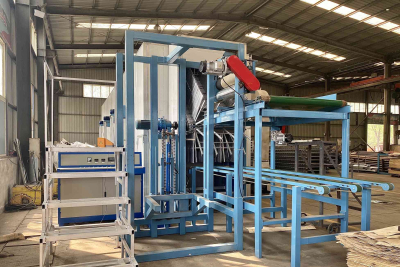
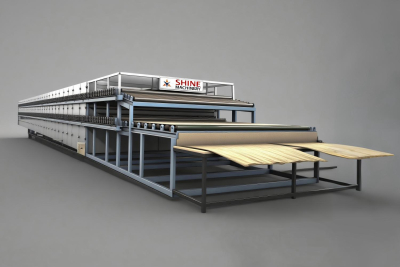
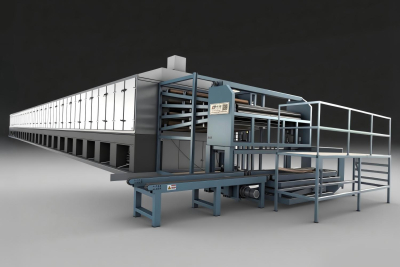
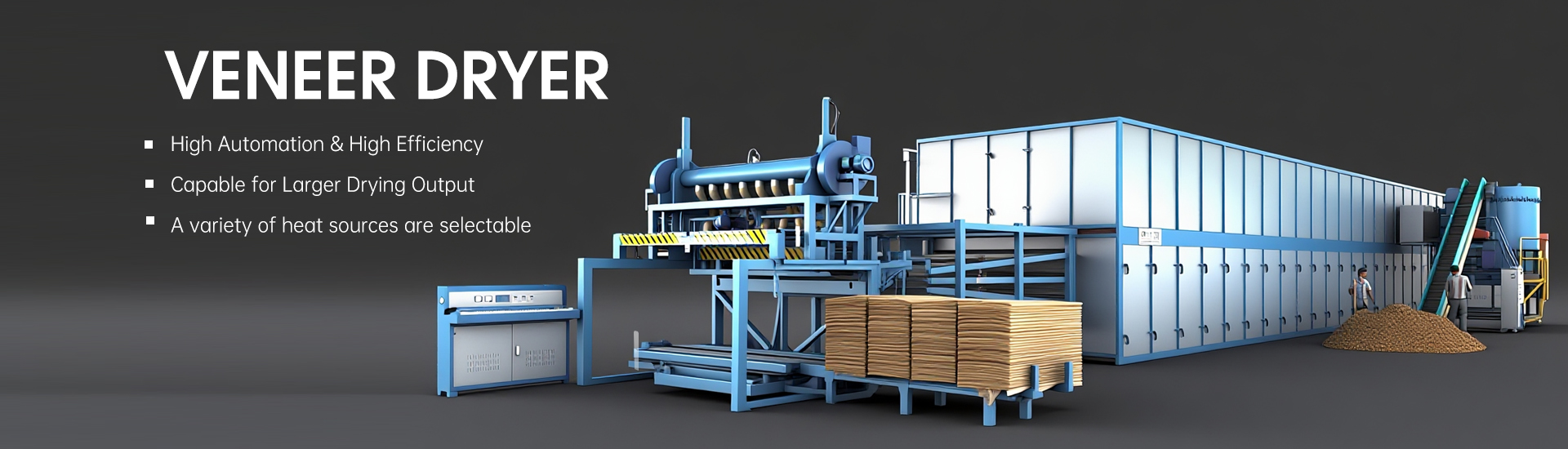
The veneer needs a controlled drying process. A veneer dryer removes extra moisture from the sheets. The machine uses heat and airflow to help water leave the wood.
Good drying matters for several reasons:
It improves veneer stability.
It supports better bonding.
It reduces later movement.
It improves production speed.
It helps maintain stable quality.
A good wood veneer dryer should provide even heat and airflow. This helps achieve consistent drying across many veneer sheets.
Where Is Veneer Used in Furniture?
Cabinets and Wardrobes
Cabinets are one of the most common uses for veneer. Manufacturers often use attractive face veneers on doors and side panels. The surface gives the cabinet a natural wood appearance.
Popular wood species include oak, walnut, maple, ash, and cherry. Each species offers a different color and grain pattern. Designers can choose one that fits the room.
Veneer also works well with MDF and plywood cores. This combination can create large and stable panels. It also keeps material costs under better control.
Tables and Desks
Veneer works well on table tops and desks. A furniture maker can place several veneer sheets together to create a wide surface. Skilled workers carefully match the grain before pressing.
The final surface can look almost like a thick solid wood panel. Yet, the manufacturer uses only a thin layer of natural timber. That makes veneer useful for large furniture pieces.
Good holding the veneer during pressing also matters. If the sheets move, the grain may not line up correctly. Small mistakes can become very easy to see on a finished table.
Why Do Furniture Makers Use Veneer?
Natural Beauty
The biggest reason is simple. People like the look of real wood.
Wood veneer keeps the natural grain, color, and small marks of the tree. Every sheet can look slightly different. This gives furniture a more natural and warm appearance.
Designers can also use different cutting methods. They can create straight, curved, or repeating grain patterns. This gives them more freedom when designing a piece of furniture.
Better Use of Valuable Wood
Veneer can help furniture makers use valuable timber more efficiently. One log can produce many thin layers. These layers can cover a much larger area than a solid block.
This matters when manufacturers use expensive wood species. A thin layer can provide the desired appearance without using a thick piece of the same wood.
For this reason, veneer can support more efficient material use. It also gives designers access to premium wood looks at a lower material cost.
Why Veneer Drying Matters
Moisture Can Cause Problems
Moisture control plays an important role in veneer production. If the material contains too much water, later processing may become difficult. Poor drying can also lead to bending, cracks, or bonding problems.
The drying machine must remove moisture evenly. Uneven drying can leave some areas too wet and others too dry. That is why consistent drying remains a key goal.
The right drying conditions depend on the veneer. Thickness, wood species, moisture level, temperature, and airflow all matter.
Controlling Energy Consumption
Drying also uses a large amount of heat. Therefore, energy consumption matters to every furniture and veneer factory.
Modern drying systems can improve heat use through better airflow and heat control. Some factories also use biomass fuel from wood waste. This can make use of material that would otherwise become waste.
At Shine Machinery, we pay close attention to drying efficiency. We believe good equipment should save energy while maintaining stable output.
How Veneer Supports Better Furniture
Stable Panels and Good Quality
Veneer does more than improve appearance. It can also work with a stable core to create reliable furniture panels.
Properly prepared and dried veneer helps reduce moisture-related problems. The core provides support, while the veneer creates the visible surface. Together, they can offer good structural integrity.
Of course, the result depends on the full production process. Cutting, drying, storage, gluing, and pressing all matter.
A Practical Choice for Modern Furniture
Veneer fits many furniture styles. It works in homes, offices, hotels, restaurants, and public spaces. Designers can use it for both simple and high-end products.
The process also gives manufacturers many options. They can select different veneer types, wood species, grain patterns, and core materials.
For us, that flexibility is one of veneer’s biggest advantages. It combines the beauty of natural wood with practical manufacturing needs.
Final Thoughts
So, how is veneer used in furniture? Manufacturers cut natural logs into thin layers, dry the material, and attach it to a stable core. The result can look like solid wood while using much less valuable timber.
Veneer appears on cabinet doors, tables, desks, wardrobes, panels, and many other products. Its natural look makes it popular with both designers and customers.
However, good furniture starts with good veneer preparation. Proper drying plays a key role in this process. A reliable drying system helps producers make high quality veneer with stable moisture and fewer defects.
At Shine Machinery, we focus on practical veneer drying solutions. Our goal is simple: help manufacturers produce stable veneer efficiently and with better control over energy use.