What Is Veneer Used For?
If you have ever admired a beautiful wooden cabinet, you may have seen veneer without knowing it. So, what is veneer used for? Veneer is a thin layer of wood cut from a log and used to cover panels, furniture, doors, and other products.
Unlike solid wood, veneer uses only a thin section of valuable timber. This approach helps manufacturers use attractive species more efficiently. It can also reduce material costs while bringing real wood character to modern products.
Today, manufacturers use wood veneers in both decorative and structural applications. The USDA Forest Products Laboratory lists furniture, cabinets, wall panels, doors, plywood, and containers among common veneer uses.
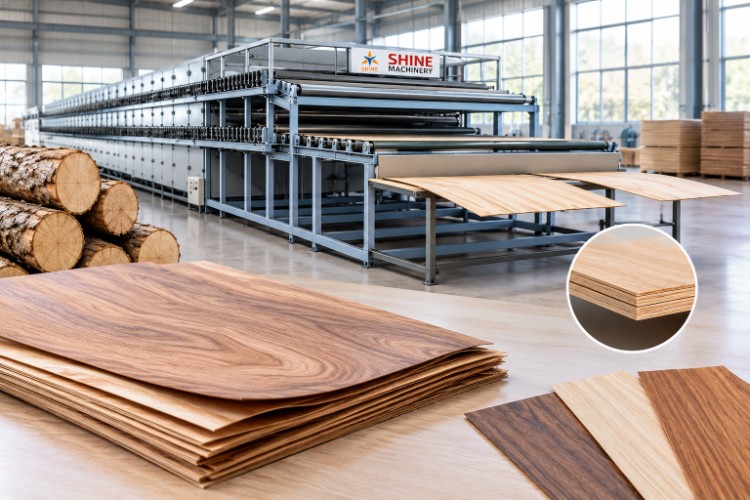
Main Uses of Wood Veneers
Furniture and Cabinets
Furniture remains one of the biggest markets for decorative veneer. Manufacturers apply face veneers to tables, cabinets, wardrobes, desks, and other products.
A thin surface can create the appearance of premium timber without building the entire product from expensive hardwood. We particularly like this balance because it combines natural beauty with practical production costs.
Common choices include oak, walnut, maple, cherry, and other attractive species. Their color, grain, and figure can give ordinary panels a surprisingly luxurious appearance.
Plywood and Structural Panels
Veneer also forms the basic building blocks of plywood. Manufacturers arrange several veneer sheets with alternating grain directions before pressing them together.
This structure improves stability, strength, and dimensional performance. Construction plywood can serve floors, walls, roofs, concrete forms, and other applications.
Some manufacturers use rotary cut veneers for inner layers. Others select carefully sliced sheets for visible surfaces. Either way, veneer turns relatively thin wood into useful engineered panels.
Decorative Uses Add Warmth
Doors and Wall Panels
Veneer works especially well on doors and wall panels. A natural wood surface can add warmth without making a room feel heavy or overly traditional.
Architectural projects often use decorative veneer for wall coverings, flush doors, cabinets, and built-in furniture. The USDA also identifies decorative face veneer as a high-value veneer product.
Interior Design and Fine Woodwork
Interior designers use veneer when they want consistent color and grain across large surfaces. This matters because a single solid board may not provide enough width or uniformity.
Veneer can also create matching patterns across multiple panels. With careful grading and arrangement, manufacturers can achieve a clean, coordinated appearance.
How Veneer Becomes a Finished Product
From Log to Thin Layers
The manufacturing process usually starts with suitable logs. Manufacturers condition the logs before cutting them into thin layers.
Several types of veneer exist, including rotary-cut, sliced, and sawn veneer. Rotary cutting produces a continuous sheet, while slicing creates distinctive grain patterns.
After cutting, manufacturers clip the sheets and remove unsuitable sections. The fresh material still contains significant moisture, so the drying process becomes critical.
From Wet Veneers to Dried Veneer
Fresh sheets are known as wet veneers. Manufacturers must remove excess moisture before gluing or further processing.
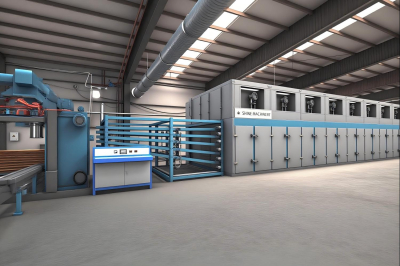
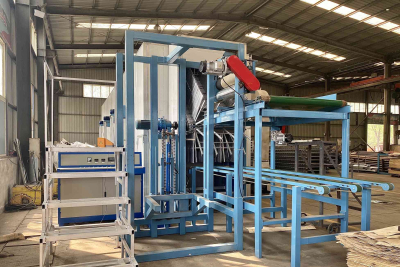
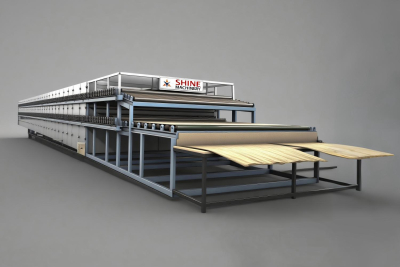
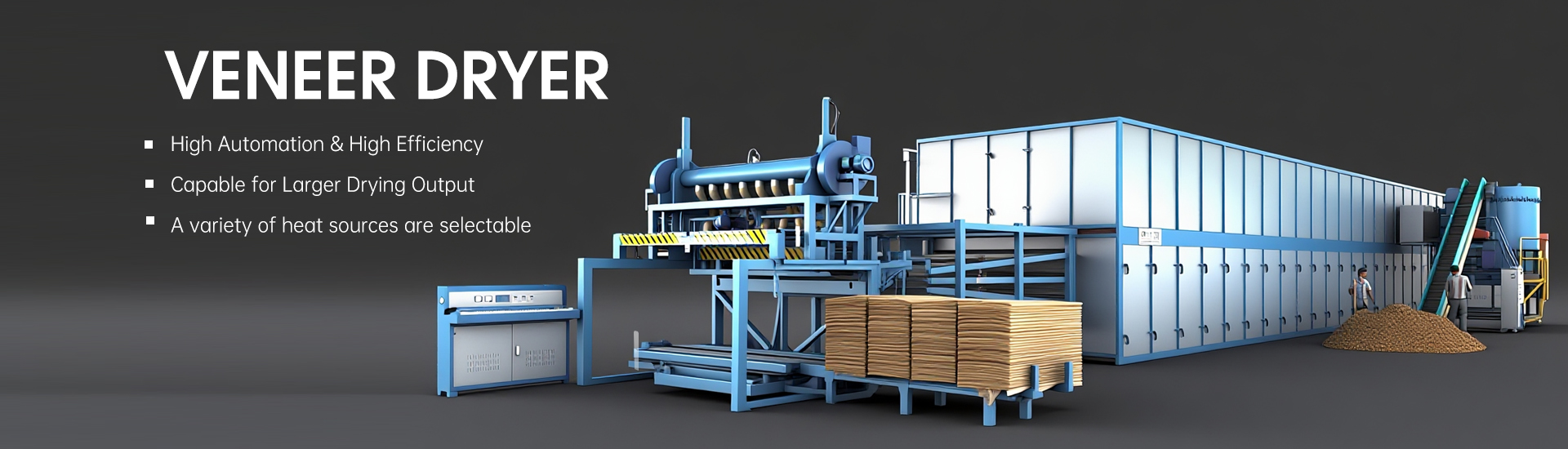
A wood veneer dryer uses controlled heat and airflow to remove moisture efficiently. Proper control helps produce dried veneer with stable moisture content.
We believe this stage deserves serious attention. Poor drying can create cracks, distortion, uneven moisture, and bonding problems. The Forest Products Laboratory notes that veneer moisture must suit the adhesive system used during panel production.
Why Consistent Drying Matters
Moisture Control and Quality
Good drying does more than make veneer feel dry. It prepares each sheet for the next manufacturing stage.
Consistent drying helps manufacturers maintain stable moisture levels across batches. It also supports reliable gluing, pressing, grading, and stacking.
Moisture changes can cause veneer surfaces to buckle or crack. The USDA Forest Products Laboratory identifies moisture changes as a major cause of surface distortion in veneered furniture and cabinets.
Energy Efficiency Matters
Drying also affects factory economics. High energy consumption can quickly increase production costs, especially in large veneer mills.
For this reason, modern drying systems focus on airflow, heat transfer, temperature control, and efficient heat use. A well-designed veneer dryer can help manufacturers achieve stable results while keeping the process cost effective.
In our experience, efficiency is not only about faster drying. It also means using heat wisely and reducing unnecessary energy loss.
Veneer vs. Solid Wood
Why Manufacturers Choose Veneer
Veneer offers several practical advantages over solid wood:
Uses less valuable timber per finished surface.
Provides attractive natural grain.
Supports large, uniform panel surfaces.
Works well with plywood and composite cores.
Offers flexible design possibilities.
Can reduce material costs.
Helps manufacturers use limited natural resources more efficiently.
Solid wood still has an important place in premium furniture. However, veneer provides a smart alternative for many modern products.
The result is not fake wood. Properly produced natural veneer remains real wood. The difference lies mainly in thickness and how manufacturers use it.
Choosing the Right Veneer for Production
Match Veneer Quality to the Application
Not every project needs the same veneer grade. Manufacturers select materials according to appearance, strength, thickness, species, and end use.
For example, visible furniture surfaces may require high-quality decorative veneer. Internal layers can accept different grades and species.
The USDA documents many veneer applications, including plywood, furniture, cabinets, doors, wall panels, containers, and specialty products.
When we design drying equipment, we consider these differences carefully. Veneer thickness, species, moisture content, production speed, and heat source can all affect drying results.
Final Thoughts
So, what is veneer used for? The answer covers far more than furniture. Veneer supports plywood, cabinets, doors, wall panels, decorative surfaces, packaging, and many engineered wood products.
Its biggest advantage comes from combining natural beauty with efficient material use. With the right cutting method and controlled drying, manufacturers can produce stable, attractive, high quality veneer sheets at commercial scale.
For us, good veneer production starts long before the final panel leaves the factory. It begins with the log, continues through cutting and drying, and ends with careful grading and assembly. That journey may be thin, but its possibilities are surprisingly wide.