Veneer Drying That Actually Works
We work with veneer every single day. We smell it.We touch it. We sometimes argue with it.
In veneer production, nothing matters more than moisture control. Get it right, and veneer sheets stay flat, strong, and beautiful. Get it wrong, and you get cracks waves and angry customers. This guide explains the Veneer Drying Process in real factory language. No fluff. No lab coat talk. Just practical experience from our shop floor.
What the Veneer Drying Process Really Means
Veneer drying is not about removing all water. It is about balance. Wood wants moisture. Factories want control. The drying process moves veneer moisture from chaos to stability.
Core goals of veneer drying
· Reduce moisture content evenly
· Protect the veneer quality
· Prepare veneer sheets ready to be glued
· Support high-quality veneer production
Drying veneer feels simple at first. Heat it. Dry it. Reality laughs at that idea.
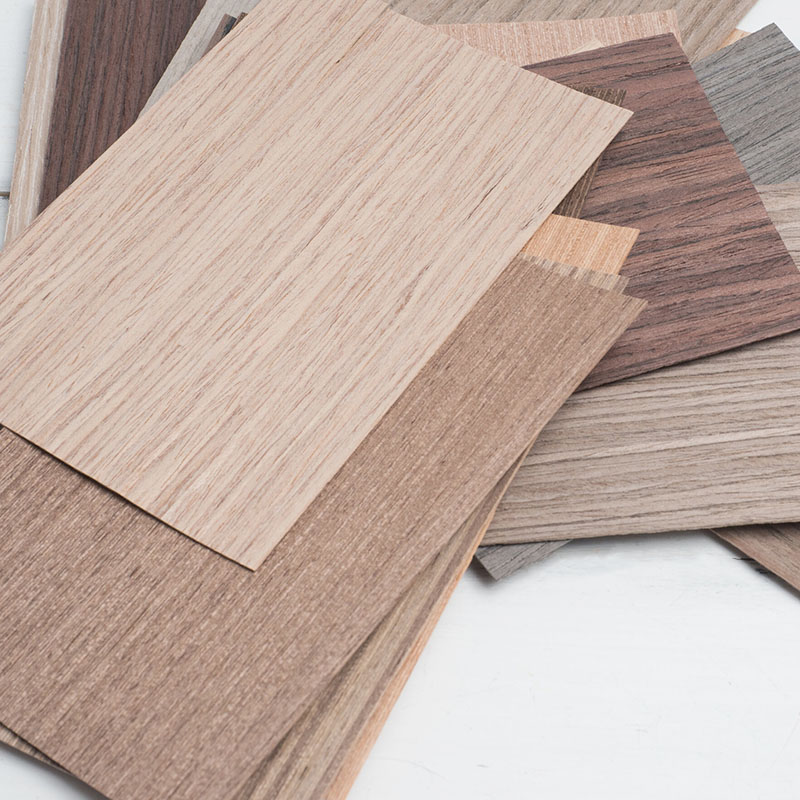
Why Moisture Content Decides Everything
Moisture content controls strength, bonding, and appearance. Wet veneer causes glue failure. Over-dried veneer becomes brittle and breaks. We aim for controlled veneer moisture, not extreme dryness.
Ideal veneer moisture targets
· Face veneer: 8% to 12%
· Core veneer: 10% to 14%
· Uniform spread across sheets
Even drying results matter more than speed. Fast drying with a bad balance ruins the quality veneer. From Wet Veneer to Stable Sheets. Fresh veneer exits the lathe soaking wet. It bends like rubber. It smells like a forest after rain. At this stage, veneer sheets hold free water and bound water. The drying process removes both in stages.
Drying stages we follow.
· Surface moisture removal
· Internal moisture migration
· Moisture equalization
Skipping stages causes stress cracks. We learned this the hard way.
How Drying Air Does the Heavy Lifting
Drying air carries moisture away. Not heat alone. Hot and humid air sounds wrong, but it works. Humidity controls drying speed. Temperature controls energy.
Key drying air factors
· Air velocity
· Temperature and humidity balance
· Uniform air distribution
High heat with dry air shocks the veneer. Moderate heat with humid air protects the structure. Think sauna, not desert.
Optimized Drying Conditions That Protect Veneer
We tune drying conditions based on species thickness and end use. There is no universal setting. Anyone selling one is lying.
Typical optimized drying ranges
· Temperature: 140°F to 350°F
· Relative humidity: 40% to 70%
· Air speed: steady, not aggressive
Optimized drying keeps the veneer flat. It also reduces rejects and operator stress.
Veneer Dryer Machine Use in Real Production
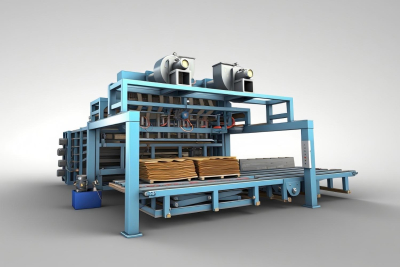
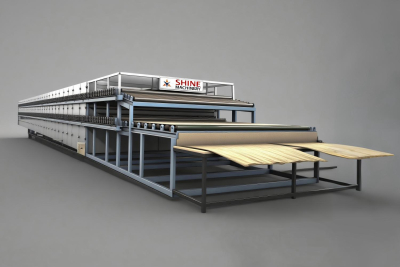
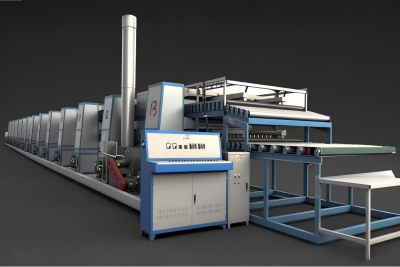
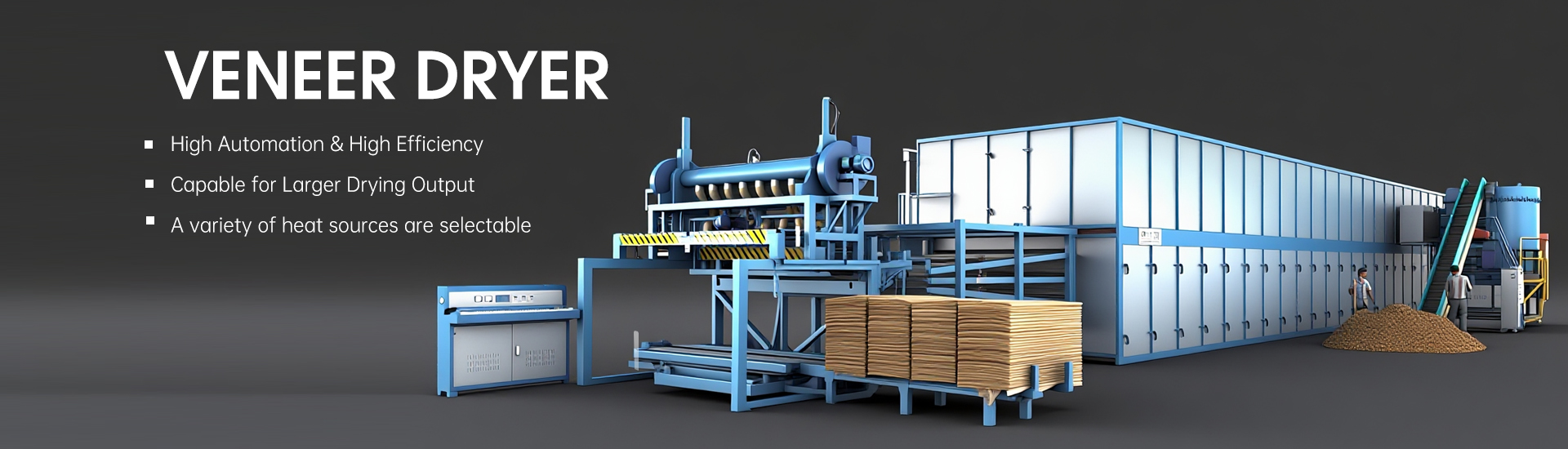
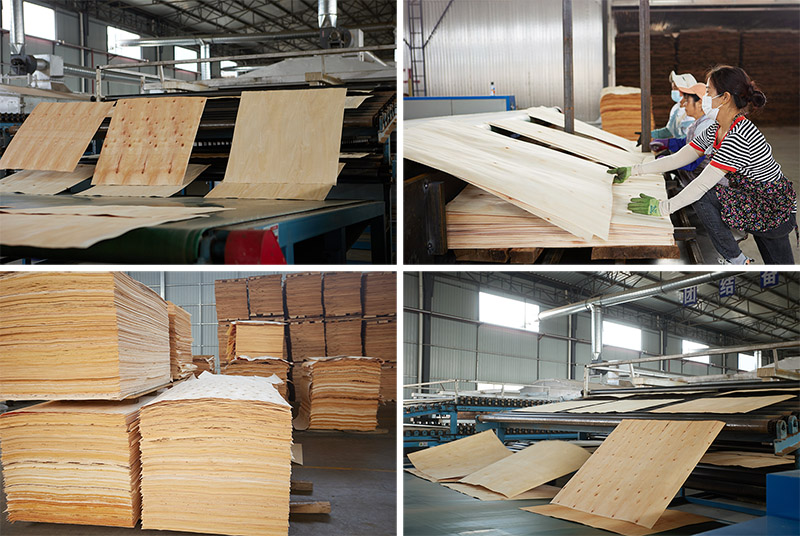
We design equipment because we suffered with bad ones. A Veneer Drying Machine must control air, not just heat. That is the secret.
What matters inside the machine
· Multi-zone temperature control
· Adjustable drying air flow
· Stable humidity management
· Smooth veneer transport
One good setup beats ten rushed adjustments. We limit automation where operators need to feel. Wood still talks if you listen.
How Drying Affects Veneer Quality Long Term
Drying errors show up later. Sometimes weeks later. Common drying mistakes
· Case hardening
· Edge over drying
· Uneven moisture bands
· Brittle veneer sheets
Good drying protects bonding strength. It also protects brand reputation. Customers never forget warped plywood.
Drying Results We Actually Measure
Feel is not enough. Numbers matter.
Metrics we track daily:
· Average moisture content
· Moisture spread deviation
· Flatness tolerance
· Surface checking rate
Drying results improve when data meets experience. Gut plus gauge wins.
Making Veneer Ready to Be Glued
Glue hates surprises. It demands consistency. Veneer ready to be glued must hold stable moisture.
Final preparation steps
· Short conditioning rest
· Moisture recheck
· Visual grading
· Stacking with airflow
This step feels boring. It saves money.
Why We Care So Much About Drying
Because drying decides profit. It decides waste. It decides sleep. We believe quality veneer starts in the dryer, not the press. Optimized drying supports high-quality plywood and calm production days.
And yes, we still argue with wood. But less often now.
Quick Veneer Drying Checklist
· Control temperature and humidity
· Balance drying air flow
· Avoid rushing wet veneer
· Measure veneer moisture often
· Adjust drying conditions by species
Simple list. Hard discipline.
Final Thoughts From Our Factory Floor
The Veneer Drying Process is part science, part instinct. Anyone who says otherwise has never run a night shift. Respect moisture. Respect time. Wood remembers everything you do to it. We learned that lesson sheet by sheet.