Why Automate Plywood Plants Today?
The global wood panel industry is currently undergoing a seismic shift, moving away from traditional, labor-intensive methods toward a future dominated by digitalization and smart manufacturing. For decades, the image of a plywood factory was synonymous with heavy manual labor, piles of wood waste, and inconsistent output. However, the market dynamics of 2024 and beyond demand a radical departure from this model. The central question facing every mill owner and operator is: Why has the adoption of high-automation equipment become a critical survival strategy rather than just a capital investment for plywood factories today?
To understand this urgency, one must look at the escalating scarcity of raw materials. High-quality logs suitable for rotary cutting are becoming increasingly expensive and difficult to source due to global supply chain disruptions and environmental regulations. In this context, maximizing the yield from every cubic meter of timber is paramount. Modern plywood making machines are engineered with precision laser guidance and optical scanning systems that allow for micro-adjustments during the peeling process. Unlike older models, these advanced machines can peel veneers to extremely thin gauges with minimal deviation. This level of precision ensures that manufacturers extract the maximum number of usable sheets from a single log, drastically reducing waste and offsetting the rising cost of raw materials.
Simultaneously, the global labor market presents a formidable challenge. Skilled workers capable of operating complex veneer clippers or managing hydraulic hot presses are retiring, and younger generations are reluctant to enter what is often perceived as a physically demanding and outdated industry. This demographic gap creates operational vulnerabilities. By integrating a fully automated plywood production line, factories can bridge this gap. Automation replaces repetitive and hazardous tasks—such as manual stacking, glue spreading, and panel loading—with robotic arms and conveyor systems. This not only mitigates the risk associated with labor shortages but also significantly elevates workplace safety standards, protecting the manufacturer from potential liabilities and ensuring uninterrupted production cycles.
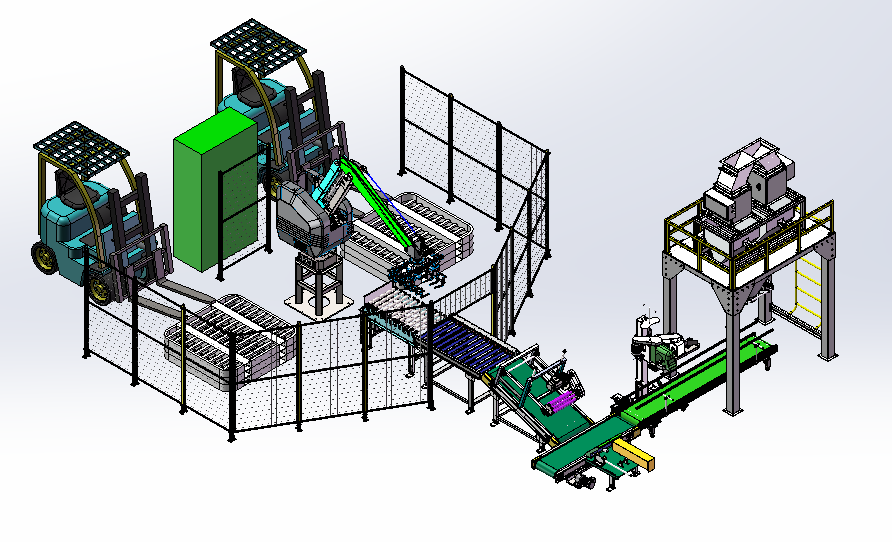
Quality assurance is another domain where high automation proves indispensable. In the past, grading plywood was a subjective process based on the visual inspection of workers, leading to inconsistencies that could result in customer rejections and financial losses. Today's plywood making machines incorporate AI-driven vision systems capable of detecting minute defects, such as knots, cracks, or density variations, at high speeds. When integrated into a comprehensive plywood production line, these systems can automatically sort panels according to international grading standards. This guarantees a uniform product quality that builds brand reputation and allows manufacturers to command premium prices in competitive export markets. Consistency is no longer a luxury; it is a prerequisite for market access.
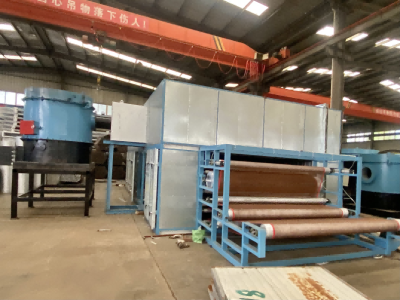
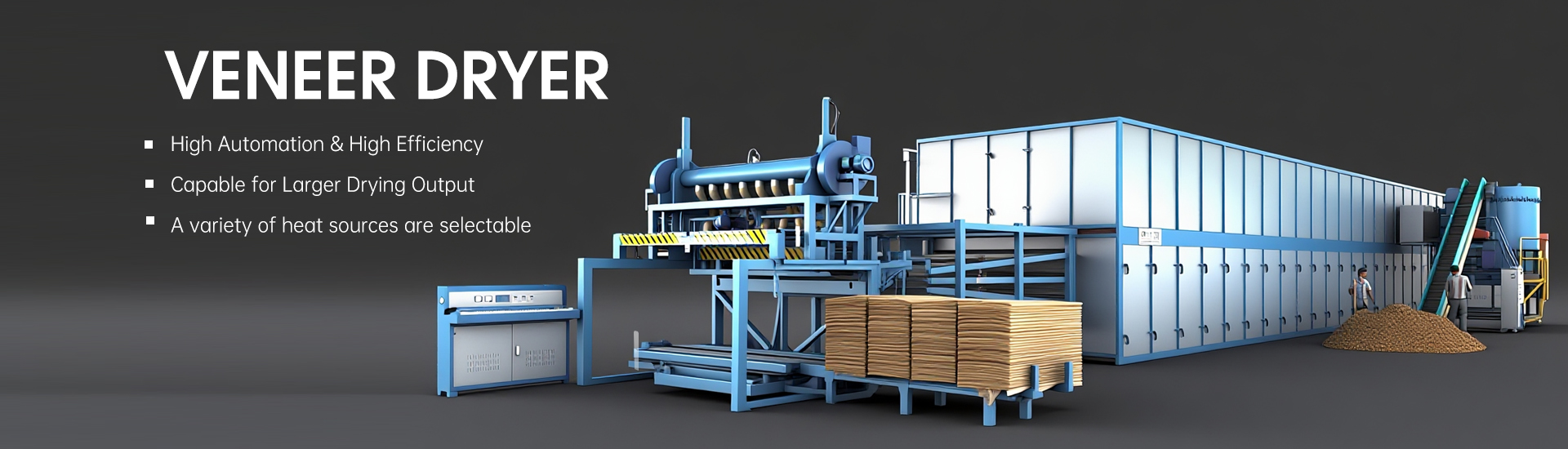
Energy efficiency and environmental compliance further underscore the need for automation. Thermal energy consumption constitutes a significant portion of production costs, particularly in the veneer drying stage. Older, manually operated dryers often suffer from heat leakage and uneven temperature distribution, leading to over-dried or under-dried veneers. Modern automated drying systems within a plywood production line utilize closed-loop control mechanisms to optimize airflow and temperature. These systems recycle heat and adjust drying times in real-time based on the moisture content of the wood. Consequently, factories can drastically cut down on fuel consumption and reduce their carbon footprint, aligning their operations with stringent global environmental standards and appealing to eco-conscious buyers.
Furthermore, the concept of Industry 4.0 has permeated the woodworking sector. Smart factories rely on data analytics to drive decision-making. Advanced plywood making machines are now equipped with IoT (Internet of Things) sensors that transmit real-time performance data to a central command center. Managers can monitor machine health, predict maintenance needs, and analyze production bottlenecks without setting foot on the factory floor. This connectivity transforms a conventional plywood production line into a responsive ecosystem that adapts to changing conditions, minimizes downtime, and optimizes throughput. In an era where delivery speed is a key differentiator, the ability to maintain continuous, predictable output is a massive competitive advantage.
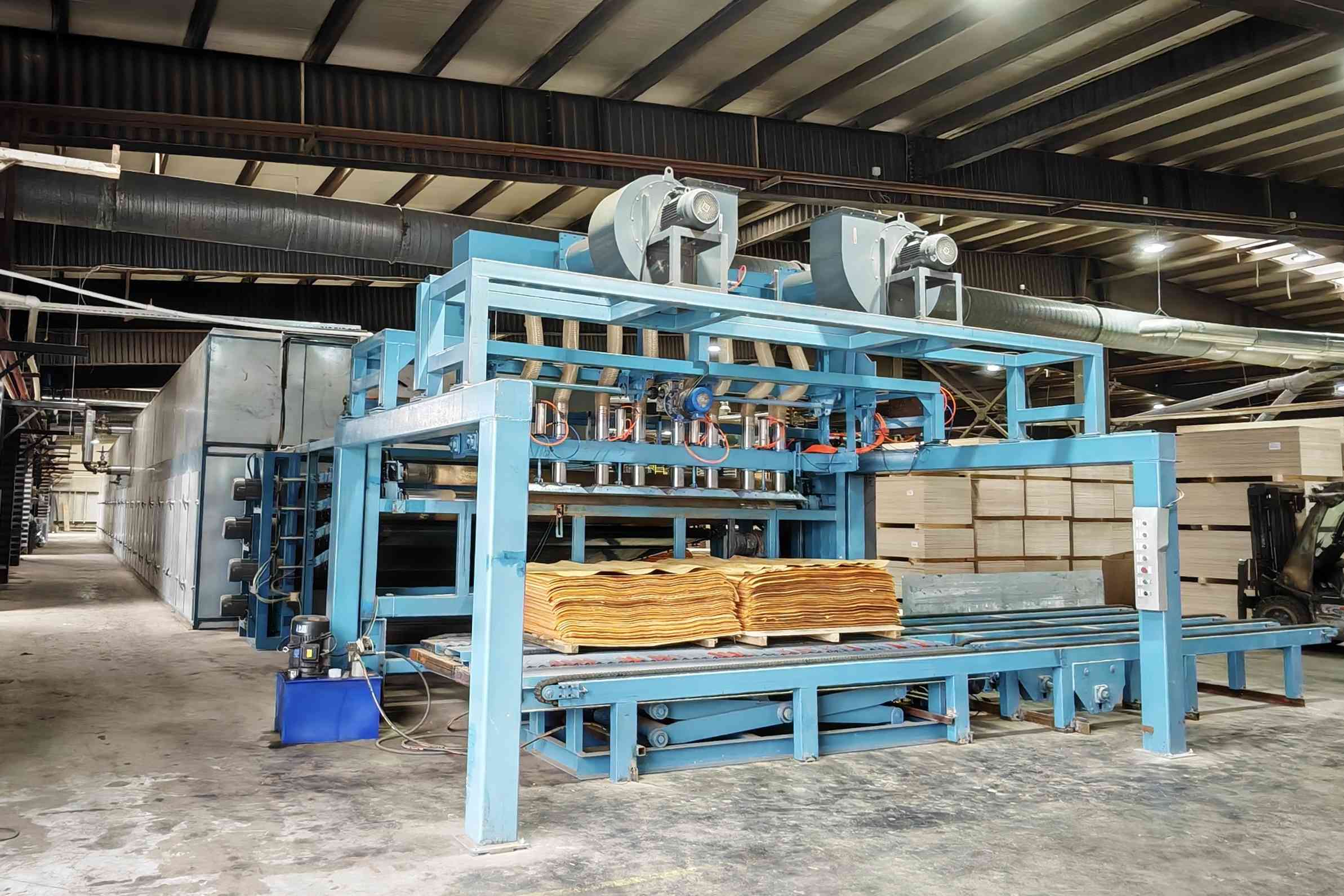
Finally, market diversification requires flexibility. Modern construction and furniture industries demand customized plywood specifications, including fire-retardant, marine-grade, or flexible plywood. Retrofitting old machinery to produce these specialized products is often impractical or impossible. In contrast, automated systems offer programmable logic that allows for quick changeovers between different product types. This agility enables manufacturers to pivot their production strategies in response to market trends, securing new business opportunities that would be inaccessible with rigid, manual setups.
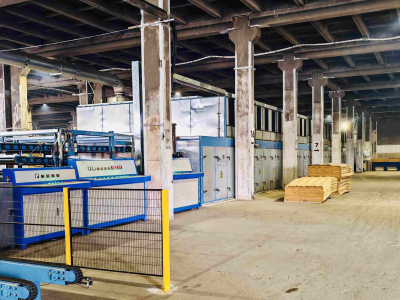
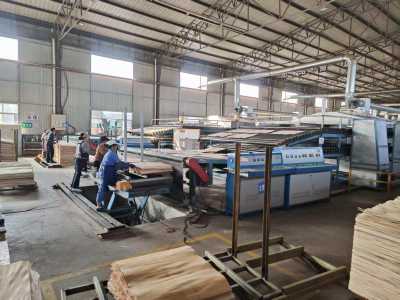
In conclusion, the imperative to automate is driven by a confluence of resource scarcity, labor challenges, quality demands, regulatory pressures, and the need for operational agility. The modern plywood production line is no longer just a series of mechanical processes but a sophisticated network of interconnected plywood making machines designed to maximize efficiency and profitability. Factories that cling to outdated methods risk obsolescence, while those that embrace high automation are poised to lead the industry into a new era of innovation and growth.