Mastering the Veneer Dryer: A User’s Guide
In the high-stakes world of wood processing, the wood veneer dryer is the critical link between raw peeling and final product quality. While much attention is paid to the lathe and the press, the drying phase is where moisture is controlled, and quality is either secured or lost. Operating a wood veneer dryer is not merely about turning up the heat; it is a nuanced process that demands precision, patience, and a deep understanding of wood behavior. To maximize efficiency and protect your investment, here is a detailed guide on the essential precautions for operating your drying equipment.
1. The Golden Rule: Slow and Steady Heating
One of the most common mistakes operators make is cranking up the temperature to achieve fast drying. This "flash drying" approach is counterproductive. Wood is a hygroscopic material, and internal moisture requires time to migrate to the surface. If the temperature rises too quickly, the surface moisture evaporates instantly, creating a hardened shell (case hardening). This traps internal moisture, leading to irreversible issues like cracking, warping, and internal delamination.
To prevent this, implement a controlled heating curve. For thicker veneers, the ramp-up must be particularly gradual. This allows thermal energy to penetrate the core before the surface dries out, ensuring moisture escapes in an orderly fashion. Uniform heat distribution via well-maintained fans and ducts is also vital to avoid localized overheating.
2. Loading Logistics: Less is More
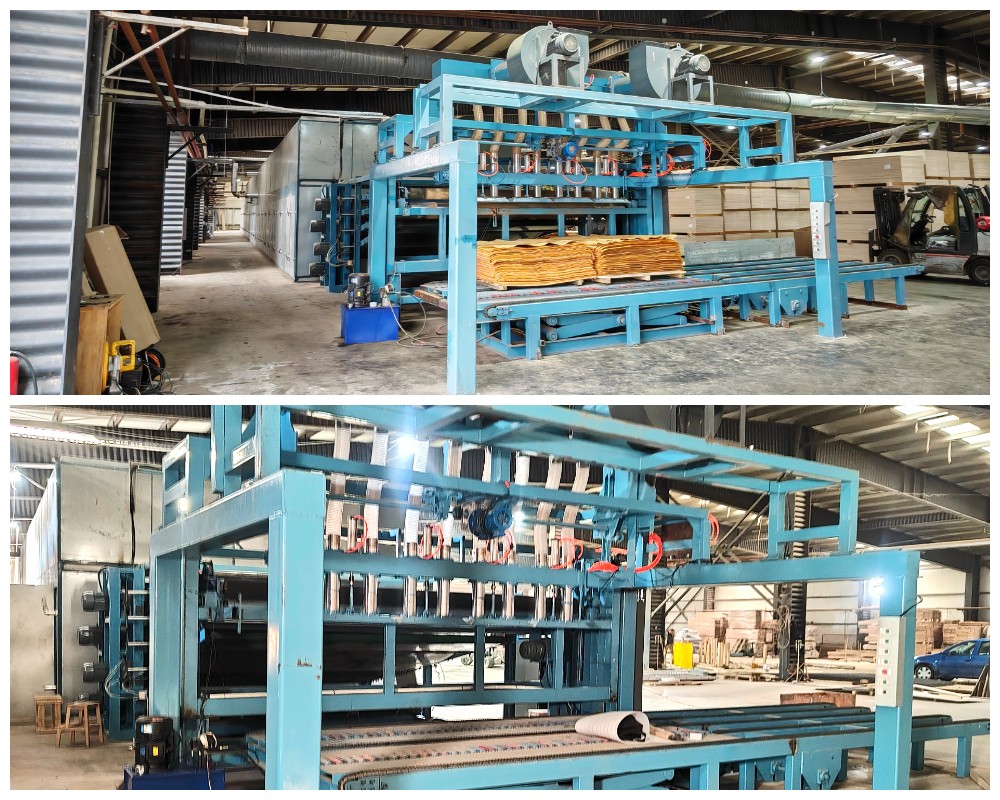
Overloading the wood veneer dryer is a frequent cause of inconsistent output. Crowding the drying chambers restricts airflow between the veneers. When hot air cannot circulate freely, "dead zones" develop where moisture lingers, resulting in uneven drying.
Furthermore, always sort veneers by thickness and size before loading. Mixing different dimensions in the same batch is a recipe for disaster. Thinner sheets will dry out and potentially scorch long before their thicker counterparts reach the target moisture content. This leads to a batch where some sheets are brittle and cracked, while others remain damp and prone to mold. Precision in loading ensures that every sheet receives the same thermal treatment.
3. Ventilation and Heat Management
While high temperatures are necessary for drying, managing the heat is crucial for both the equipment and personnel safety. The internal environment of a wood veneer dryer is extremely harsh. Without proper ventilation, excessive heat can degrade electronic components, warp mechanical parts, and pose significant fire hazards.
Ensure the dryer’s cooling system—including fans and heat sinks—is inspected regularly for blockages or damage. Equally important is the external environment. Never stack materials or debris around the dryer, as this obstructs airflow and prevents the machine from dissipating heat effectively. A clear perimeter is a safe and efficient one.
4. The Necessity of Routine Maintenance
A wood veneer dryer operates under thermal stress, making preventative maintenance non-negotiable. When the machine is offline, a thorough cleaning is essential. Dust, wood chips, and resin accumulate over time, particularly in the ductwork and filters. These contaminants act as insulators, reducing heat transfer efficiency, and can even become fuel for fires.
Lubrication is another key aspect. Moving parts, such as chains, bearings, and rollers, endure significant friction. Regular application of high-temperature grease reduces wear and tear, prevents seizing, and extends the service life of these components. Additionally, conduct periodic inspections of electrical connections, belts, and control systems. Identifying a loose wire or a worn belt early can prevent a catastrophic failure during a production run.
5. Dynamic Parameter Adjustment
Drying is not a "set it and forget it" process. The optimal parameters for temperature, humidity, and residence time depend on the species, initial moisture content, and thickness of the veneers. Operators must be vigilant, adjusting settings based on real-time observations.
If drying is too slow, a slight temperature increase may be warranted, provided it doesn't violate the "slow heating" rule. If uneven drying is observed, adjusting damper positions or fan speeds can redirect airflow. Crucially, any abnormal signs—such as strange noises, sudden temperature fluctuations, or insufficient airflow—should trigger an immediate shutdown. Never operate a faulty wood veneer dryer, as this risks severe damage to the machine and the entire batch of veneers.
6. Operator Training and Environment
The best equipment is useless without skilled personnel. Comprehensive training is vital. Operators must understand not just the "how" but the "why" behind the procedures. They should be proficient in starting and stopping the machine, interpreting sensor data, adjusting parameters, and recognizing early warning signs of trouble. Safety protocols should be ingrained, emphasizing the risks associated with high temperatures and moving parts.
Finally, consider the installation environment. The wood veneer dryer should reside in a well-ventilated, low-humidity building. Excessive ambient moisture can lead to rust and electrical faults, while dust and corrosive fumes can clog airways and degrade metal components. Ensure the foundation is level and robust to prevent vibrations that can misalign the dryer’s internal mechanics.
Conclusion
Operating a wood veneer dryer successfully requires a holistic approach. It is a balance of scientific principles and meticulous care. By respecting the drying curve, avoiding overloading, maintaining ventilation, committing to routine upkeep, adjusting parameters dynamically, training staff thoroughly, and providing a suitable environment, you safeguard your production line. These precautions ensure your wood veneer dryer delivers consistent, high-quality results, minimizes downtime, and maximizes your return on investment. In the world of veneer production, precision in drying is the foundation of profitability.