Why Short Heating Zones Fail Veneer Dryer
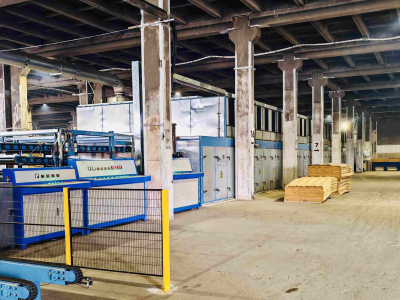
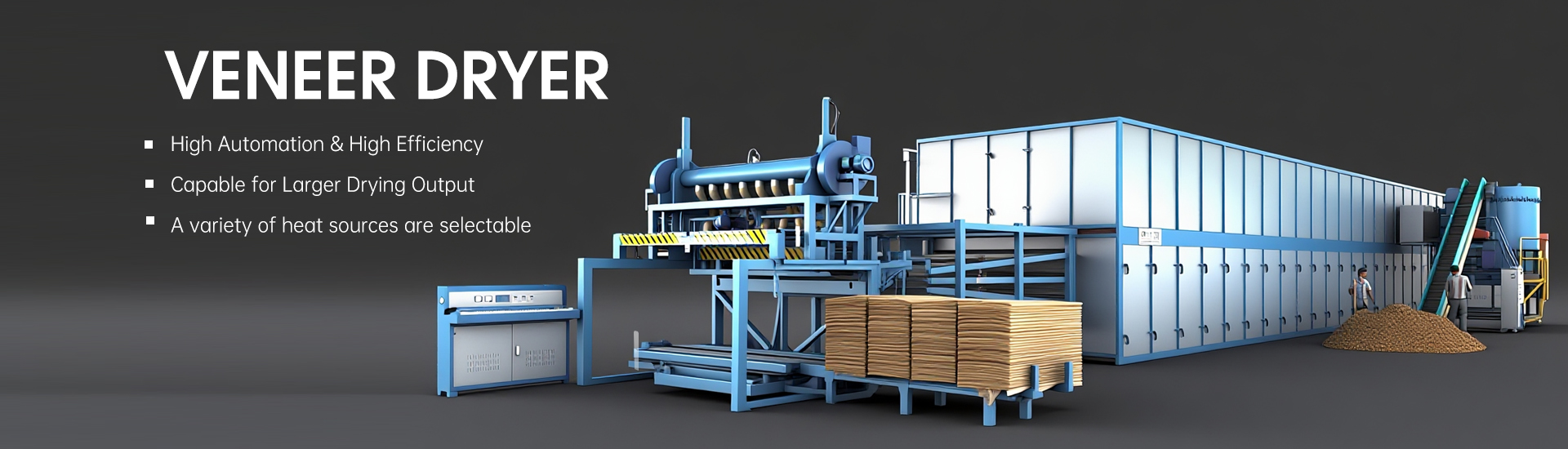
In the competitive wood processing industry, the veneer dryer is a critical investment. Manufacturers often seek compact, space-saving machines, sometimes opting for models with very short heating zones. However, this design choice can lead to significant operational failures. The length of the heating zone is not merely a matter of footprint; it is a fundamental determinant of drying physics, product quality, and energy efficiency. Understanding why a short heating zone compromises the entire process is essential for making informed procurement decisions.
The primary issue with a short heating zone is insufficient residence time. Wood is a porous, hygroscopic material. Even thin veneers require adequate time for internal moisture to migrate to the surface and evaporate. If the heating zone is too brief, veneers pass through the high-temperature area too quickly. This results in "surface-dry, core-wet" conditions, where the exterior appears ready but the interior retains excessive water. Subsequent hot pressing will turn this trapped moisture into steam, causing bubbles, delamination, and rejected boards. A properly sized heating zone ensures the drying cycle matches the physical time required for thorough dehydration.
Attempting to compensate for a short heating zone by increasing temperature or conveyor speed introduces severe risks. Rapid heating forces the surface of the veneer to dry and shrink almost instantly. This creates a hard, impermeable crust that seals off the inner layers—a defect known as case hardening. Internal moisture, unable to escape, generates immense pressure as it heats, leading to cracks, splits, and warping. Species like eucalyptus and birch are particularly vulnerable to this kind of thermal shock. A longer heating zone allows for a gradual, controlled temperature ramp-up, eliminating internal stress and preserving the wood’s structural integrity.
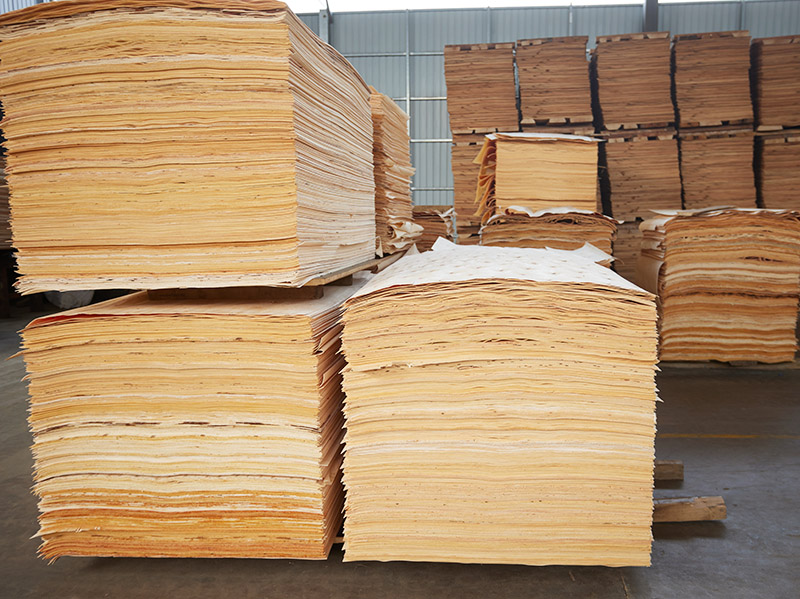
Professional veneer dryers rely on segmented temperature zones: preheating, constant-rate drying, falling-rate drying, and conditioning. A short heating zone makes this segmentation impossible. Without a preheating phase, cold veneers suffer thermal shock. Without a conditioning phase, internal stresses cannot relax, resulting in uneven final moisture content. High-quality production demands moisture variation within a tight ±1% tolerance. A short heating zone cannot deliver this precision, leaving operators with batches that mix over-dried, brittle sheets with damp, mold-prone ones.
Airflow dynamics also suffer in a short heating zone. Hot air needs time to distribute evenly across the chamber and penetrate the layers of veneer. In a compact space, the air stream does not have enough distance to stabilize. This creates dead zones where airflow is weak, leading to horizontal and vertical drying inconsistencies. Some sheets may be scorched by direct, uncontrolled heat, while others remain wet. A longer heating zone allows the air to fully diffuse, ensuring every sheet receives uniform thermal treatment.
Counterintuitively, a short heating zone often increases energy consumption. Longer dryers utilize waste heat from the exhaust to pre-warm incoming veneers or feature heat recovery systems. In a short system, hot air passes through once and is expelled, wasting valuable thermal energy. While the machine may have a smaller initial price tag, the operational cost per cubic meter of dried veneer rises sharply. Investing in adequate heating length is an investment in fuel efficiency and lower utility bills.
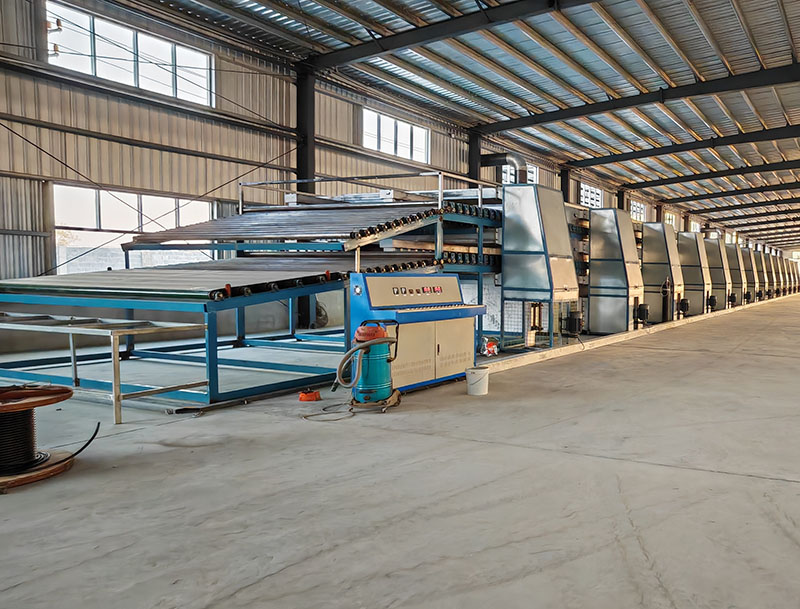
In conclusion, the heating zone length is a critical factor that balances capacity, quality, and cost. Short heating zones sacrifice product stability and waste energy in exchange for a smaller footprint. For any manufacturer serious about producing premium plywood or LVL, prioritizing a scientifically proportioned heating zone is not an option—it is a necessity. Choosing the right veneer dryer ensures long-term profitability and minimizes the risk of costly defects.