Why Engineered Veneer Need a Mesh Belt Dryer
Mesh Belt Dryer Boosts Engineered Veneer
The global market for interior finishes and premium furniture is experiencing a significant shift, with engineered wood veneer taking center stage. Valued for its ability to mimic the intricate grain of exotic hardwoods while offering enhanced stability and environmental friendliness, this material has become a cornerstone of modern design. However, the very characteristics that make engineered wood veneer so desirable—its thinness, flexibility, and complex composition—pose a considerable challenge during the crucial drying phase. In response to this industry-wide bottleneck, manufacturers are increasingly turning to a specialized solution: the mesh belt veneer dryer. This technology is rapidly becoming the gold standard, ensuring that the promise of high-quality engineered wood veneer is delivered consistently at an industrial scale.
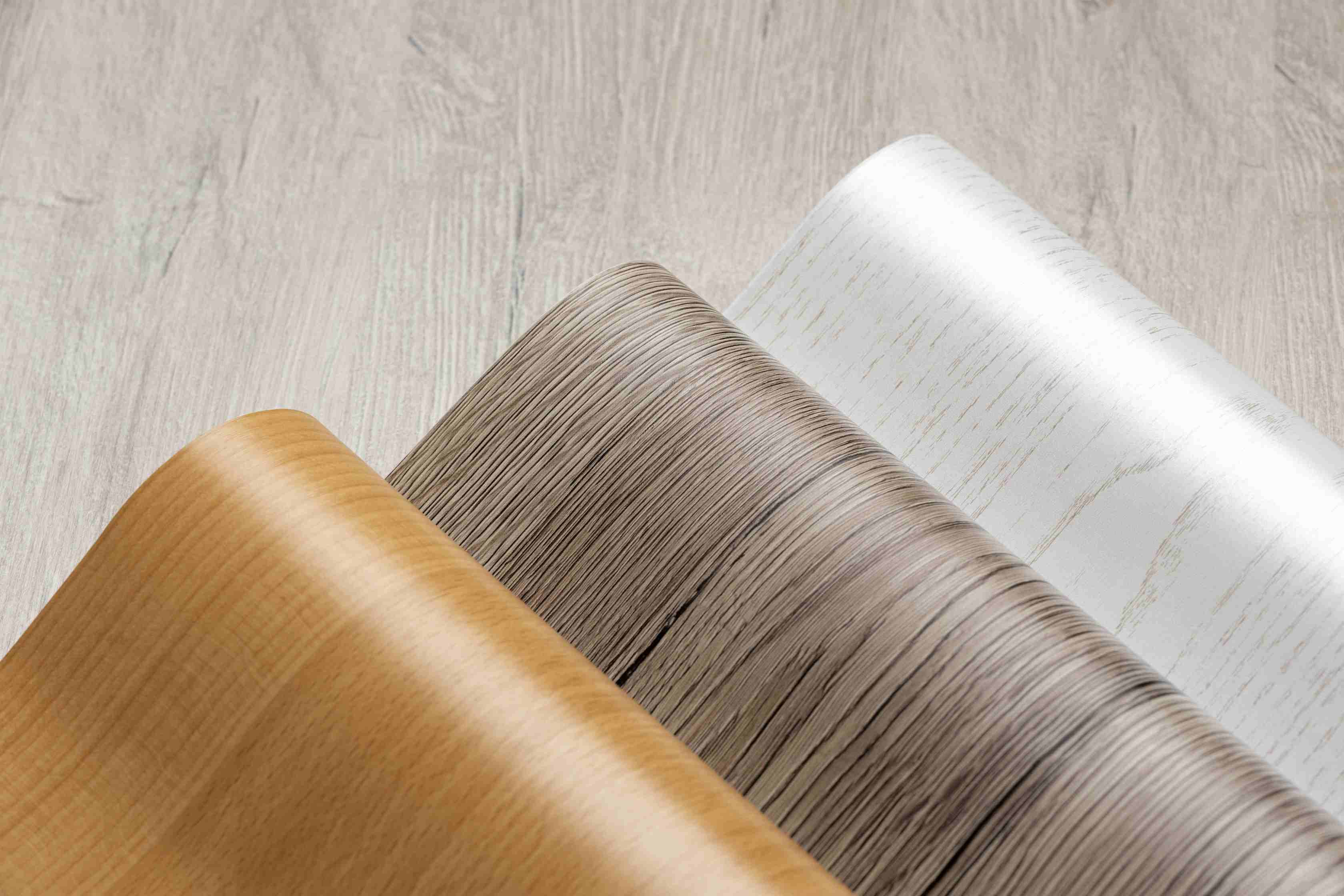
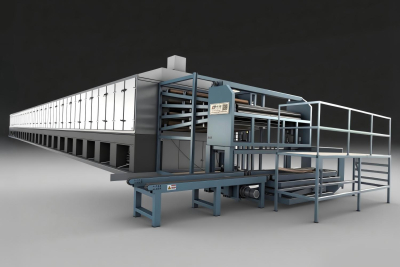
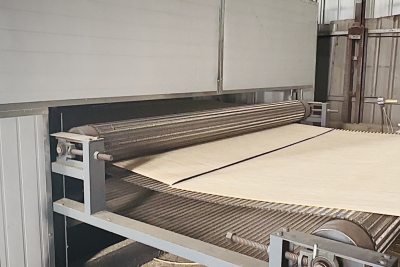
The decision to adopt a mesh belt veneer dryer is primarily driven by the fundamental need to protect the integrity of the delicate veneer sheets. Engineered wood veneer is typically only 0.2mm to 0.8mm thick, a fragile dimension that makes traditional drying methods problematic. Conventional stacking or hanging techniques expose the veneer to risks of scratching, tearing, and deformation due to gravity and uneven airflow. The mesh belt veneer dryer addresses these issues head-on. Its core design utilizes a robust, woven conveyor belt upon which the veneers are laid out in a perfectly flat, single layer. This configuration provides exceptional support, preventing any slippage or folding during transit. More importantly, it allows hot air to be circulated vertically through the entire thickness of the veneer sheet. This "through-air" drying method maximizes contact area and ensures that each sheet is supported evenly, effectively eliminating the wrinkles, cracks, and severe warping that plague inferior drying processes. By preserving the physical perfection of the veneer from the outset, the dryer guarantees a pristine base for the final decorative application.
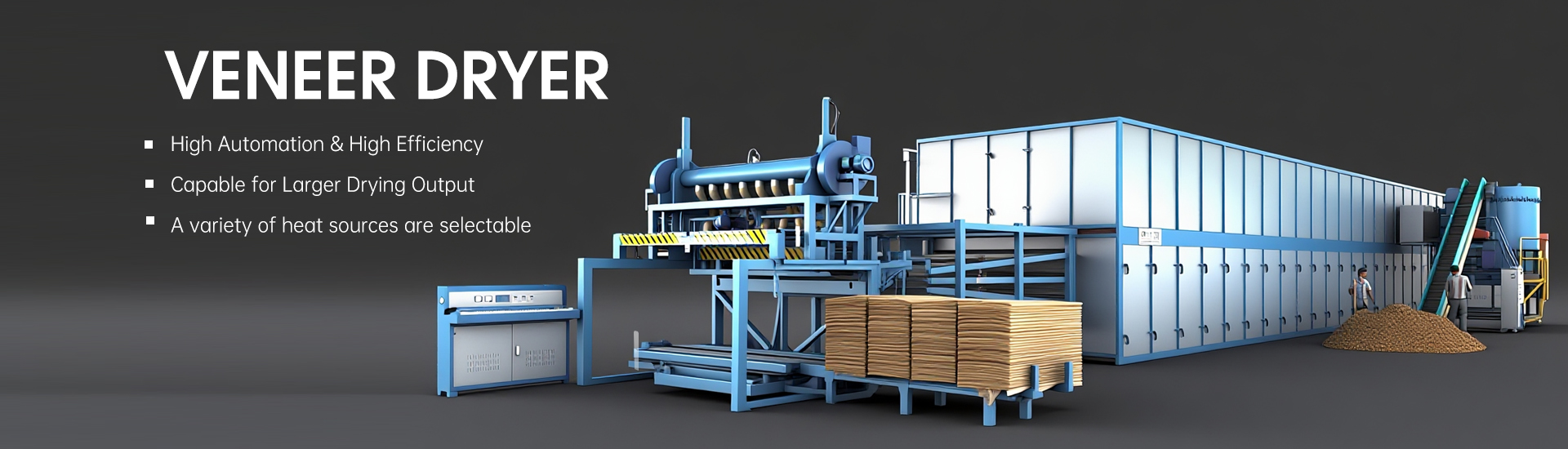
Beyond mere protection, the mesh belt veneer dryer is a powerhouse of efficiency, built for the relentless pace of modern manufacturing. Engineered wood veneer is rarely produced in small batches; it feeds directly into high-speed lamination lines serving vast global markets. Any interruption or delay in the drying stage creates a ripple effect throughout the entire production chain. The mesh belt veneer dryer operates on a continuous loop, enabling a seamless flow of materials. Freshly sliced veneers enter one end of the machine while perfectly conditioned, moisture-balanced sheets emerge from the other, 24 hours a day. This capability allows manufacturers to integrate the dryer directly between the slicing and gluing stages, creating a fully automated production line. The elimination of manual handling, interim drying stacks, and waiting times translates directly into a dramatic increase in throughput, allowing factories to confidently fulfill large-scale orders without compromising on delivery timelines.
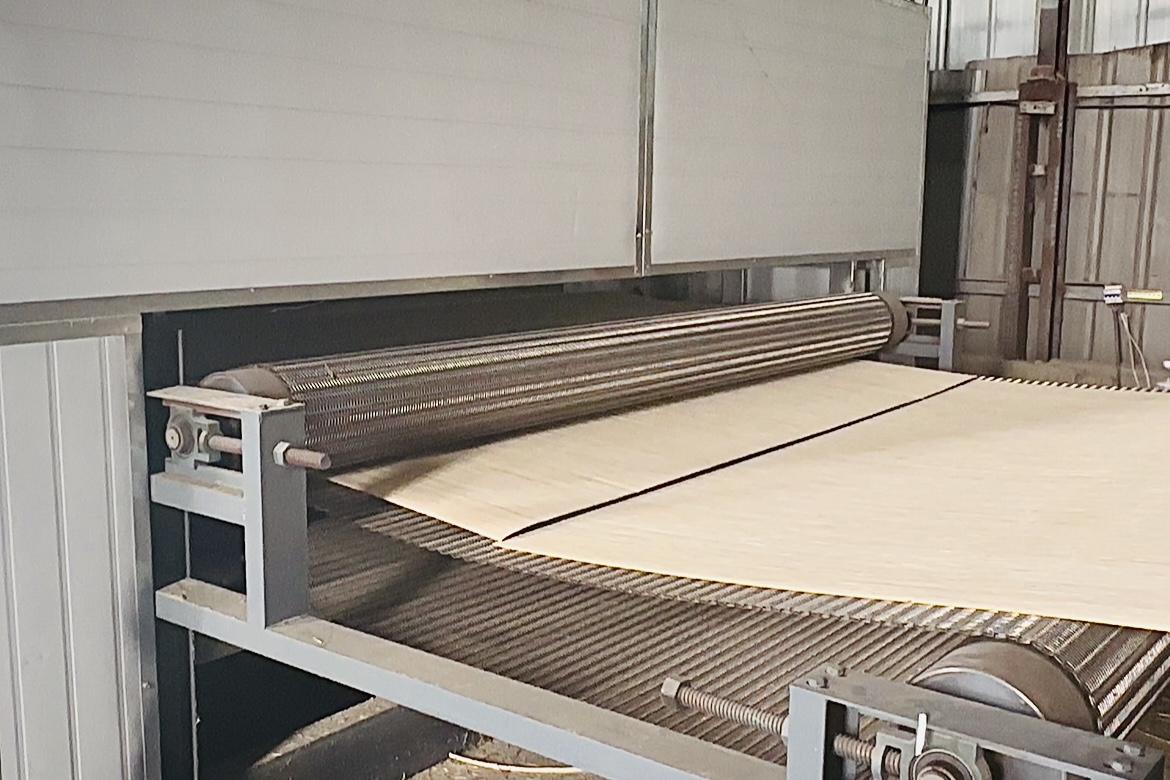
Perhaps the most critical advantage of this technology lies in its ability to deliver unparalleled drying uniformity and precise quality control. The performance of engineered wood veneer in its final application—be it furniture or wall panels—is heavily dependent on having a consistent moisture content throughout the sheet. Variations in dryness lead to internal stresses. When such a stressed veneer is bonded to a substrate under heat and pressure, these stresses are released, causing visible defects like bubbling, adhesive failure, or joint separation. The mesh belt veneer dryer is engineered to prevent this. Equipped with sophisticated multi-zone temperature controls, operators can tailor the drying environment for different wood species and veneer thicknesses. For example, the initial zones might utilize higher temperatures for rapid surface evaporation, while subsequent zones employ cooler, dehumidified air to gently extract residual moisture from the core. This meticulous management of temperature, humidity, and airflow velocity ensures that moisture is removed evenly from both sides and throughout the entire thickness of every single veneer. The result is a uniformly conditioned product whose stability minimizes defects and maximizes the yield of first-quality finished goods.
Finally, the economic argument for adopting a mesh belt veneer dryer is compelling. While the initial investment is substantial, the long-term gains in operational efficiency and resource optimization are undeniable. The optimized airflow design exposes every part of the veneer to the drying medium, eliminating the "outside dry, inside wet" inefficiency common in static drying racks. Combined with high-volume recirculating fans and integrated heat recovery systems, these dryers boast impressive thermal efficiency. They consume significantly less energy per unit of dried product compared to outdated methods. Furthermore, by drastically reducing the number of damaged or sub-standard sheets, manufacturers see a tangible reduction in material waste. In an industry where raw material costs are high and margins are fiercely protected, the mesh belt veneer dryer transforms a costly processing step into a source of competitive advantage.
In conclusion, the integration of the mesh belt veneer dryer represents a pivotal advancement for the engineered wood veneer sector. As consumer demand continues to drive the need for beautiful, durable, and sustainably produced decorative materials, the industry must evolve its manufacturing capabilities accordingly. This dryer provides the essential combination of gentle handling, relentless efficiency, and pinpoint quality control required to meet these demands. It solves the inherent technical challenges of drying ultra-thin engineered wood veneer and elevates it from a promising concept to a reliably profitable reality. For manufacturers aiming to secure their position in the high-end decor market, investing in this technology is no longer a futuristic consideration—it is the definitive benchmark for excellence today.