Why Veneer Dryer Is Vital for Eucalyptus Flooring Production?
In the competitive world of wood flooring manufacturing, the quality of the core material dictates the final product's durability, stability, and market value. For factories specializing in eucalyptus flooring cores, one piece of equipment stands between success and costly failure: the wood veneer dryer. Relying on traditional sun-drying or rudimentary kilns is no longer viable. This article explores why a professional wood veneer dryer is not just an option but a necessity for processing fast-growing eucalyptus into premium flooring substrates.
1. The Unique Challenge of Eucalyptus Wood
Eucalyptus is prized for its rapid growth and long fibers, making it an economical choice for flooring cores. However, its inherent properties create significant processing challenges:
Extremely High Initial Moisture Content: Freshly peeled eucalyptus veneers often carry 40% to 60% moisture by weight. Removing this water efficiently without damaging the fiber structure requires precise thermal control.
Prone to Warping and Cracking: If dried unevenly, eucalyptus veneers shrink irregularly. This leads to severe internal stress, causing the sheets to cup, twist, or crack—defects that cannot be corrected later in the pressing stage.
High Mold Risk: The dense fiber structure of eucalyptus retains moisture, creating a breeding ground for fungi during slow, open-air drying.
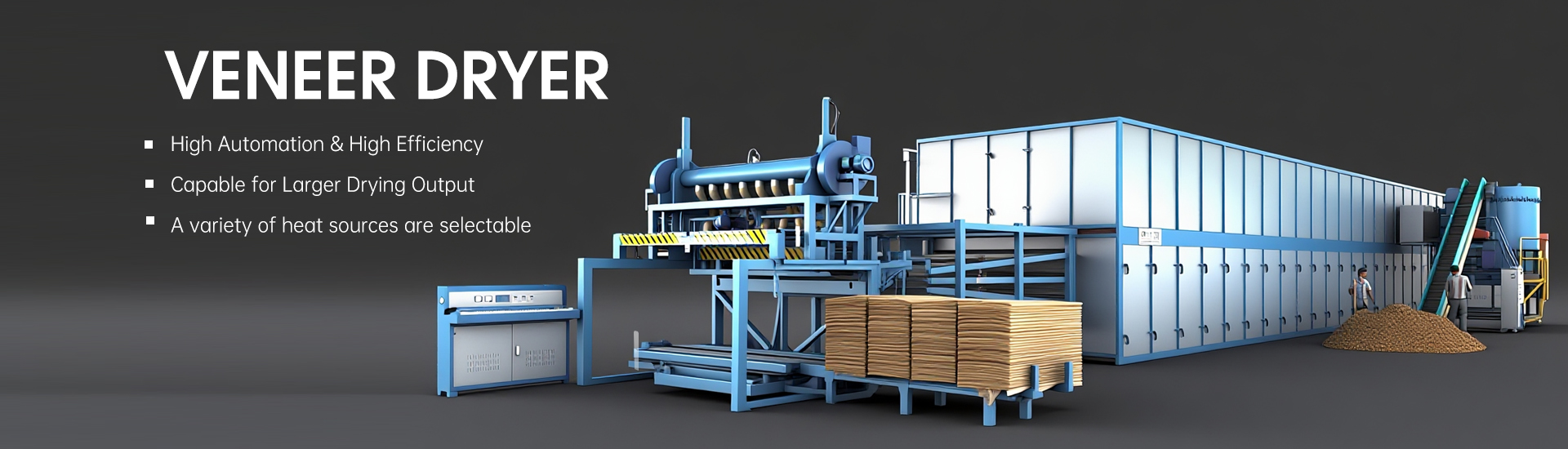
A professional wood veneer dryer addresses these issues head-on. By subjecting the veneers to controlled heat and airflow, it locks the moisture content within a narrow band of 8% to 12%. This precision eliminates the "case hardening" effect seen in crude drying methods, where the surface dries too fast and traps inner moisture. Furthermore, the high temperatures inside the dryer act as a sterilizing agent, effectively killing mold spores and bacteria, thereby drastically improving the hygiene and shelf-life of the veneers.
2. Traditional Methods vs. Modern Wood Veneer Dryer Technology
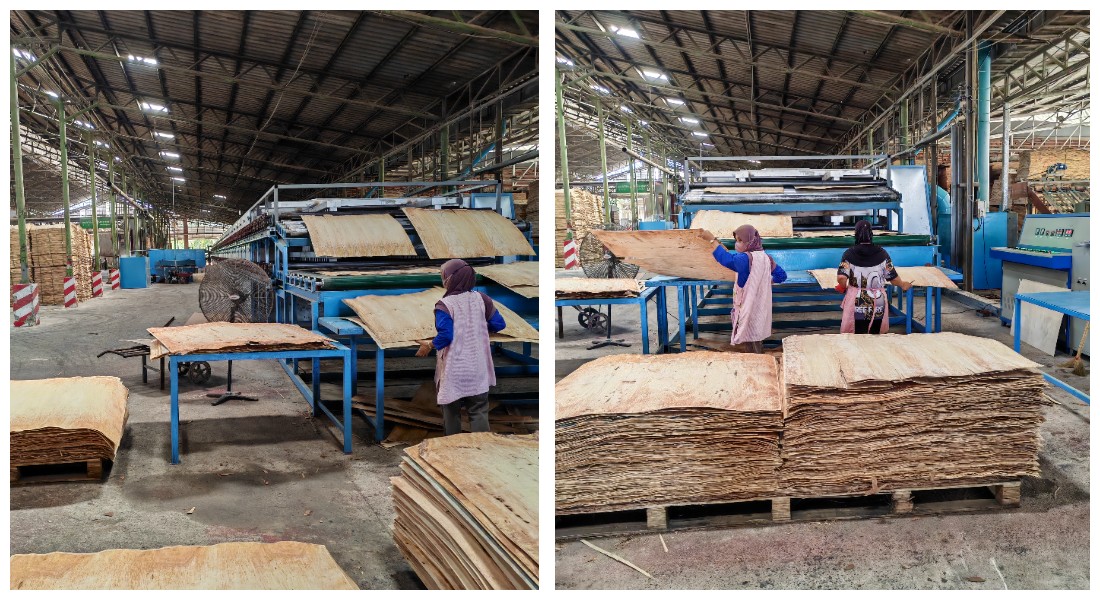
Many smaller mills still rely on sun-drying or primitive "earth kilns." While these methods appear cheap upfront, they introduce massive hidden costs and quality risks. The following comparison highlights why upgrading to a wood veneer dryer is a strategic imperative:
Comparison Metric | Natural Sun-Drying / Earth Kiln | Modern Wood Veneer Dryer |
|---|---|---|
Drying Time | 3–7 days (highly weather-dependent) | 4–8 hours (continuous operation) |
Moisture Control | Highly variable (10%–20% fluctuation) | Precise (±1% tolerance) |
Energy Cost | Low fuel cost, but high labor & land cost | Intelligent temperature control, lower overall cost |
Mold Risk | Very high (especially in humid weather) | Near zero (high-temp sterilization) |
Production Capacity | Limited by weather and available space | 24/7 continuous production capability |
The verdict is clear: a wood veneer dryer outperforms traditional methods in every critical aspect. For eucalyptus, which is hypersensitive to moisture gradients, this superiority is even more pronounced. The ability to maintain consistent heat and air circulation ensures that every sheet, regardless of its position in the batch, reaches the exact same moisture level.
3. The Core Value Proposition: Stability, Efficiency, and Cost Savings
Investing in a wood veneer dryer transforms the entire production paradigm. Here are the three pillars of value it delivers:
A. Enhanced Core Stability
The primary cause of flooring failure is internal stress induced by uneven moisture. When eucalyptus veneers with varying moisture contents are glued and hot-pressed, the resulting board will inevitably warp or delaminate over time. A wood veneer dryer uses intelligent humidity sensors and variable-frequency fans to ensure the moisture is driven out from the core to the surface uniformly. This homogenization process guarantees that the veneers remain flat and stable, providing a perfect substrate for high-pressure lamination.
B. Skyrocketing Production Efficiency
Traditional sun-drying ties up vast amounts of capital in "work-in-progress" inventory. A wood veneer dryer decouples production from weather forecasts. With a throughput of just 4–8 hours per batch, factories can implement a just-in-time manufacturing model. This agility reduces the need for massive storage yards and allows for rapid response to urgent orders. The continuous flow of dry veneers keeps the entire production line—from peeling to pressing—running at maximum capacity.
C. Significant Cost Reduction
While the initial investment in a wood veneer dryer is higher than building a drying yard, the long-term savings are substantial:
Reduced Waste: Precise drying minimizes cracking and mold, boosting raw material utilization by over 15%.
Lower Labor Costs: Automated loading and unloading systems reduce the need for manual handling, cutting labor expenses significantly.
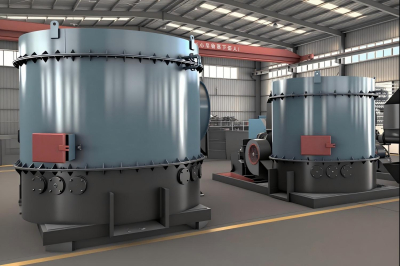
Energy Efficiency: Modern dryers, especially those using heat pump or waste-heat recovery technology, consume up to 40% less energy than traditional earth kilns. When paired with biomass burners that utilize wood waste as fuel, the operating cost can be as low as $6–12 per cubic meter of dried veneer.
4. Choosing the Right Wood Veneer Dryer for Eucalyptus
Not all dryers are created equal. Given the specific challenges of eucalyptus, manufacturers should consider the following configurations:
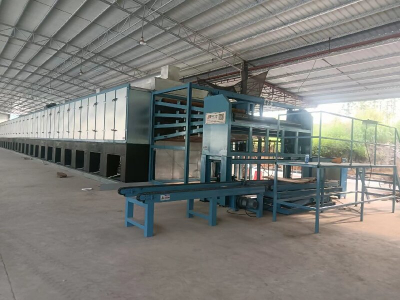
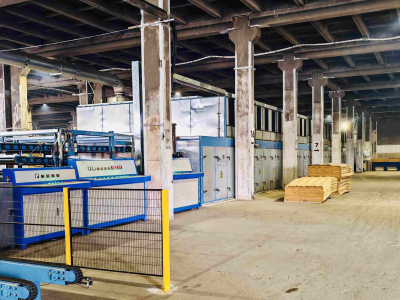
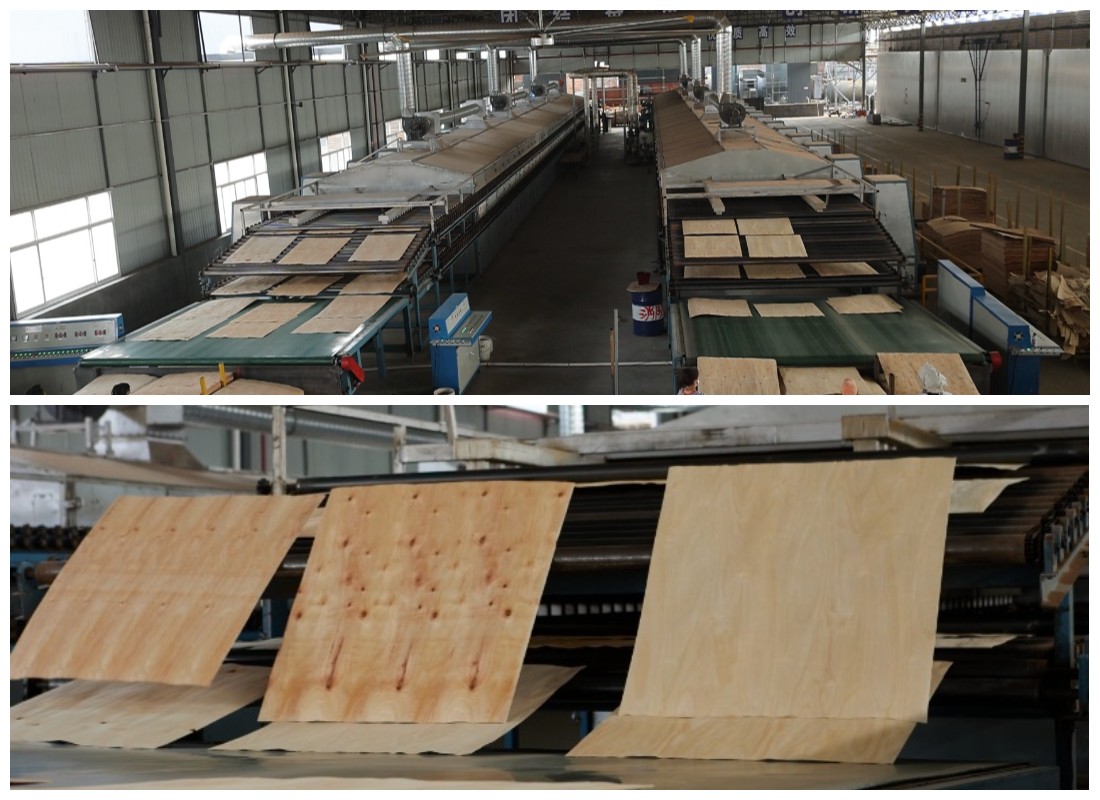
Roller Dryer: Ideal for high-volume continuous production. The roller system ensures smooth transport of veneers without marking the surface.
Hot Air Circulation Dryer: Offers the most precise temperature control, essential for high-grade flooring cores where moisture uniformity is critical.
Intelligent Control Systems: Look for dryers equipped with real-time moisture meters and PLC controls that automatically adjust belt speed, temperature, and fan speed based on the veneer's thickness and initial moisture content.
5. Conclusion
In the production of eucalyptus flooring cores, a wood veneer dryer is not a luxury—it is a fundamental tool for survival and growth. It bridges the gap between raw, unstable green veneers and a premium, market-ready product. By eliminating the uncertainties of weather, eradicating mold, and ensuring pinpoint moisture accuracy, this equipment empowers manufacturers to produce flooring that stands the test of time.
If you are looking to upgrade your eucalyptus processing line, now is the time to invest in a high-performance wood veneer dryer. Contact us today to receive a tailored recommendation and process optimization advice that will elevate your product quality and boost your bottom line.