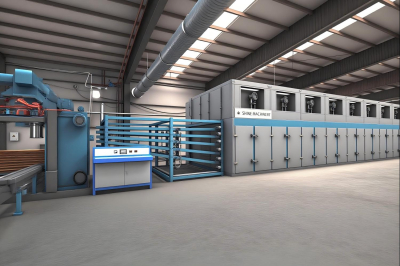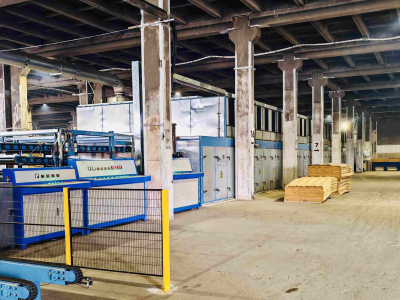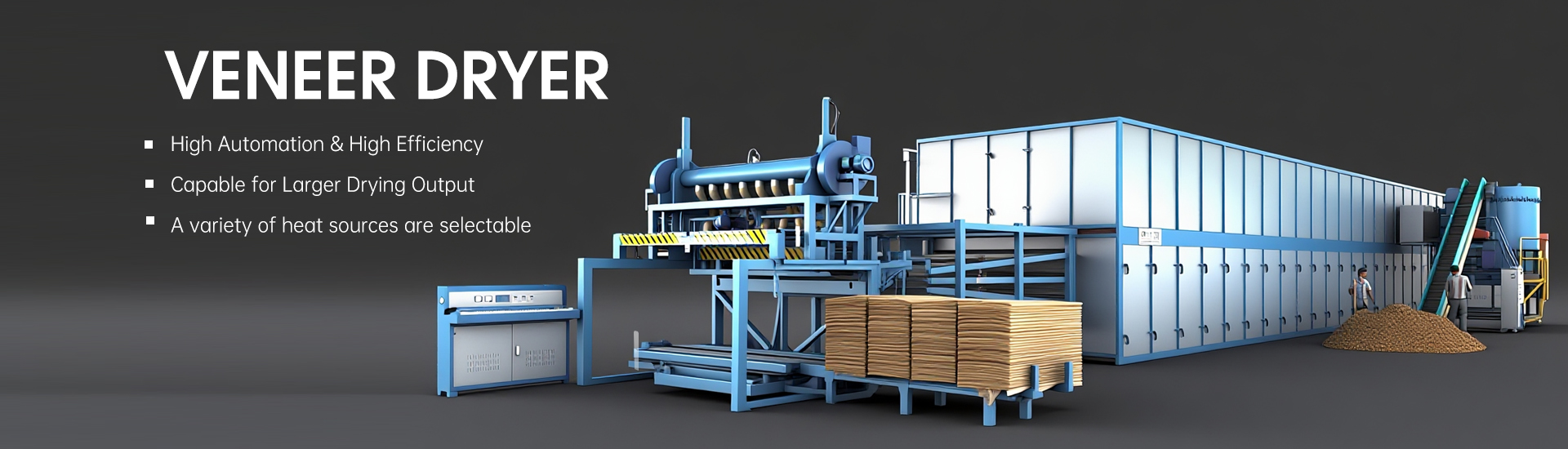
Roller Dryer Goes Automatic
The global market for premium wood veneer, particularly engineered wood veneer, is fiercely competitive. Producers are constantly seeking ways to differentiate themselves through quality, cost-efficiency, and production speed. A critical, yet often overlooked, stage in the manufacturing process is the drying of the veneer itself. For decades, the roller veneer dryer has been a workhorse in the industry, valued for its ability to provide consistent heat and pressure. However, a new wave of innovation is transforming this essential piece of equipment from a standalone machine into the heart of a fully automated "lights-out" production cell. By integrating a Shine automatic veneer loading system, industrial robotic arms, and a Shine automatic veneer collecting system, forward-thinking manufacturers are achieving unprecedented levels of efficiency, slashing labor costs, and ensuring uncompromising product quality.
The primary driver behind this automation revolution is the need to eliminate the human element from repetitive, physically demanding tasks. Traditionally, operating a roller veneer dryer has been a two-part job: a team of workers manually feeding thin, flexible veneer sheets into the dryer’s infeed, and another team waiting at the discharge to collect the hot, dry sheets. This process is not only labor-intensive but also fraught with inconsistencies. Human operators can experience fatigue, leading to variations in how sheets are fed, which can cause jams, misalignment, and ultimately, damage to the valuable veneer. The new automated model completely redefines this workflow. The Shine automatic veneer loading system acts as the first stage of this transformation. Positioned at the start of the line, it takes over the tedious task of handling whole stacks of green veneer. Using a combination of automated destackers, precision conveyors, and vision-guided positioning systems, it singulates each sheet, orients it correctly, and presents it to a central robotic arm at a precisely timed interval. This ensures a smooth, non-stop flow of material into the roller veneer dryer, setting the stage for a highly efficient drying cycle.
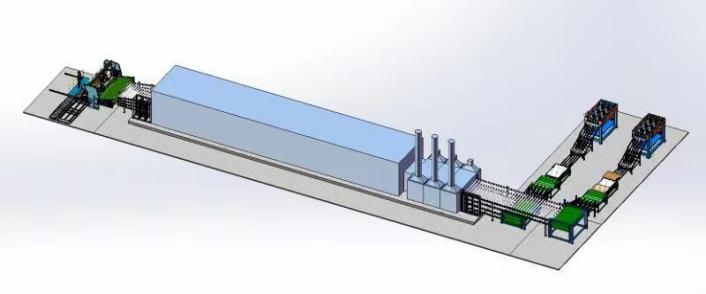
Serving as the critical link between the input and output of the process is the industrial robotic arm. This is the central nervous system of the entire operation. As the Shine automatic veneer loading system places a prepared sheet in a designated hand-off zone, a high-speed robotic arm, equipped with custom vacuum suction cups, instantly engages. It doesn't just pick up the sheet; it performs a calculated maneuver, placing it onto the live rollers of the running roller veneer dryer with zero error. This action is mirrored on the opposite end of the process. As the now-dry veneer exits the heated chamber, it is immediately intercepted by a second robotic arm. This arm performs a swift, careful extraction, removing the hot material from the potentially damaging environment of the discharge zone before it has a chance to cool and warp. The speed and precision of the robotic arm are far beyond human capability, creating a seamless, high-velocity transfer that keeps the entire system in constant motion.
The final piece of the puzzle, and what completes the fully automated cycle, is the Shine automatic veneer collecting system. After the robotic arm deposits the dried veneer onto its infeed conveyor, the collection system takes over. This sophisticated unit is designed to receive, align, and stack the delicate veneer sheets into neat, orderly piles ready for packaging or the next stage of production. Sophisticated sensors detect the size and placement of each sheet, guiding actuators that push them into the correct position on the growing stack. Once a pre-programmed stack height is reached, the system automatically initiates the stacking cycle, moving the completed pallet aside and starting a new one. Some advanced configurations even integrate automatic wrapping or strapping, delivering a finished product ready for shipment without a single touch from a human hand.
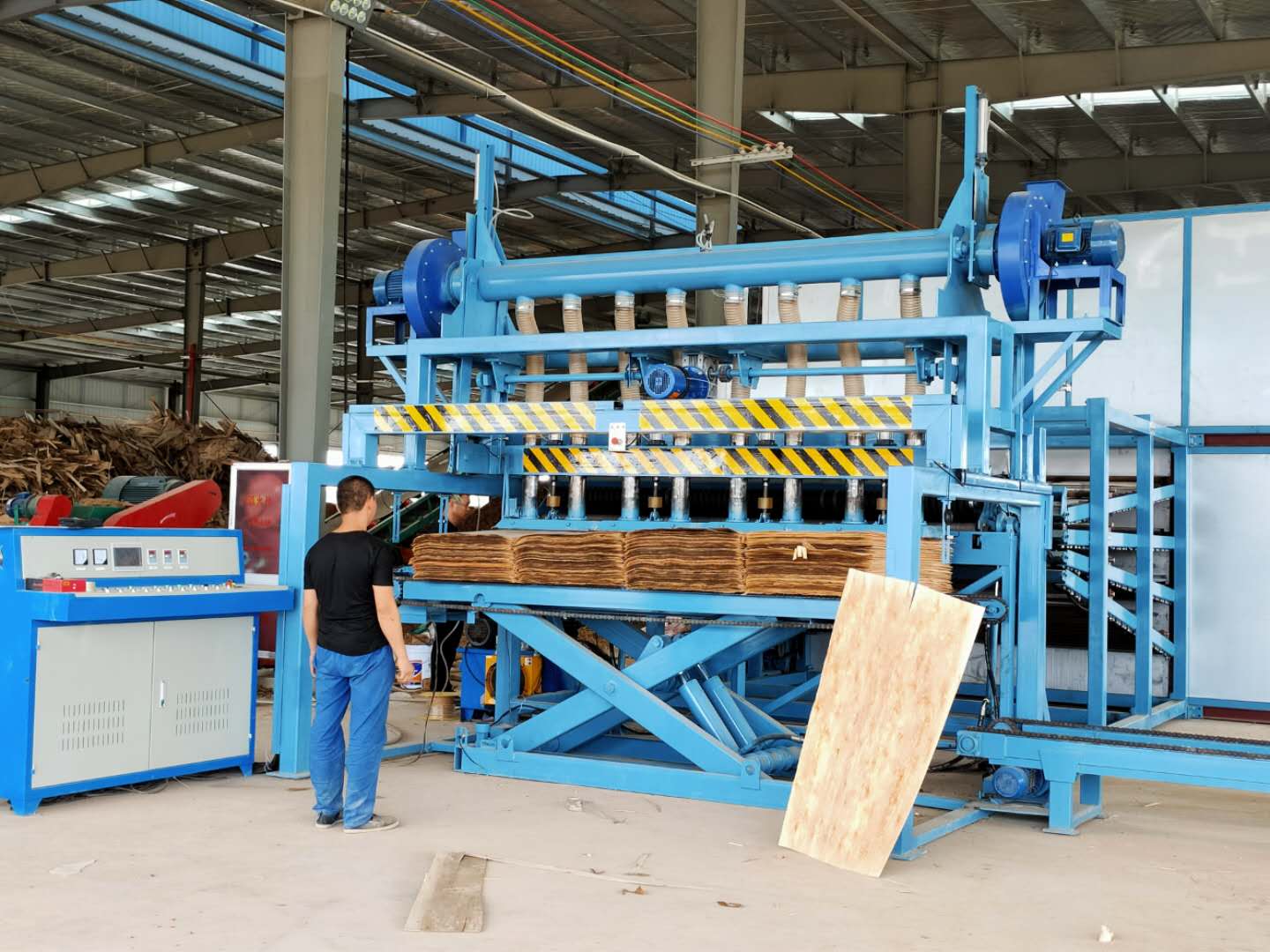
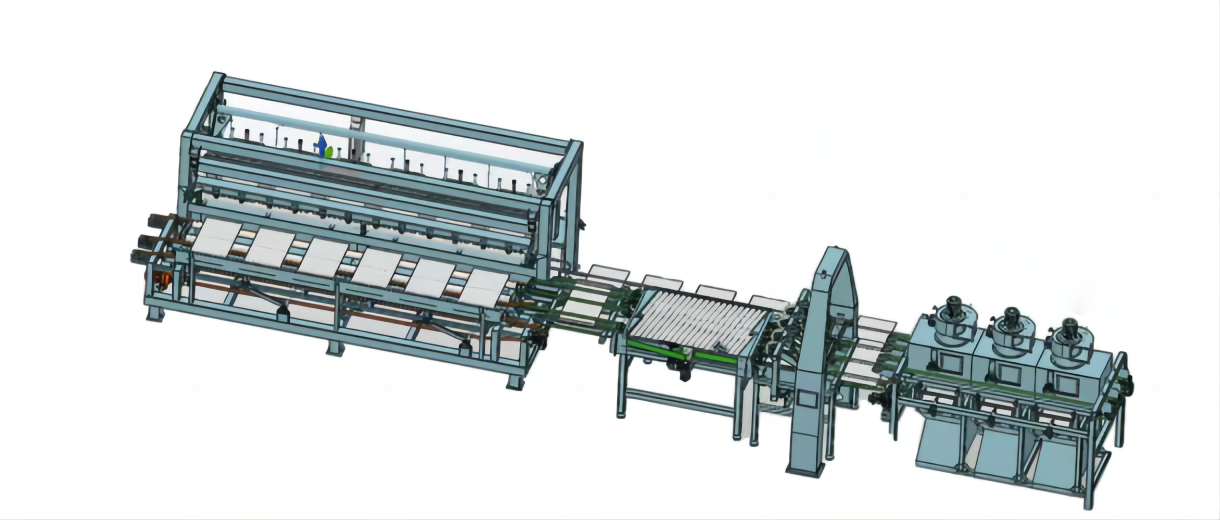
For veneer producers, the benefits of implementing this integrated automation suite are transformative and multifaceted. Firstly, it delivers monumental savings on labor costs. A production line that once required six to eight operators can now be managed by one or two technicians overseeing the entire automated cell. Secondly, and perhaps more importantly, it dramatically increases product consistency and yield. Automated systems do not get tired or distracted. Every sheet is loaded and collected with the same precision, leading to a uniform drying process that minimizes waste from cracked, folded, or improperly dried veneer. Finally, this system offers unparalleled scalability and efficiency. By removing bottlenecks associated with manual handling, manufacturers can significantly increase their throughput, allowing them to accept larger orders and respond faster to market demands. In an era where supply chain agility is paramount, the ability to run a factory autonomously for extended periods is a powerful competitive advantage.
In conclusion, the journey toward full automation in veneer drying is being led by the intelligent integration of specialized equipment. By combining the robustness of the roller veneer dryer with the intelligence of a Shine automatic veneer loading system, the dexterity of industrial robotics, and the efficiency of a Shine automatic veneer collecting system, manufacturers are building the factories of the future today. This holistic approach solves the persistent challenges of labor dependency and quality control, positioning early adopters at the pinnacle of the industry.