Efficient Veneer Dryer for Woodworking Industry
Efficient Veneer Dryer for Woodworking Industry: Why It Matters
In woodworking, drying is more important than many people think. We often see factories focus only on speed. However, fast production means little if veneer sheets crack or bend later. Good drying protects the value of every wood veneer sheet.
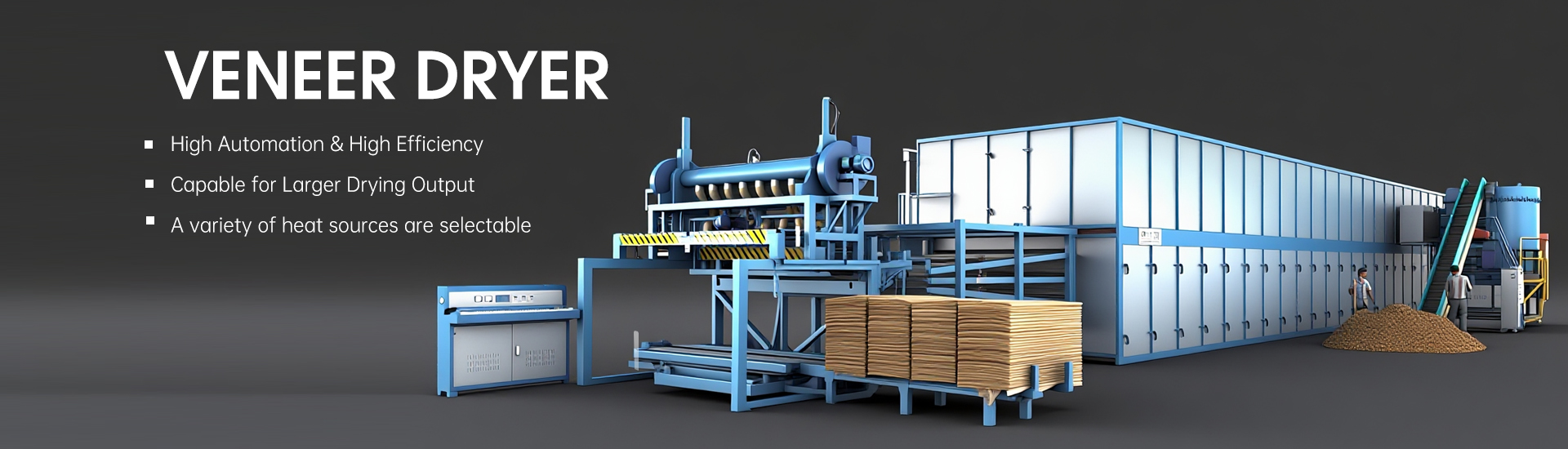
An Efficient Veneer Dryer for Woodworking Industry helps control heat, airflow, and time. When these three work together, manufacturers get uniform drying results. The process becomes stable and easy to manage. Workers feel less stress because fewer defects appear.
Today, customers expect high quality materials. Interior designers want smooth surfaces and stable color. Because of this, factories must control moisture content carefully during veneer production.
The Role of Drying in Veneer Production
From Veneer Peeling to Finished Sheets
The process starts with veneer peeling. Fresh peeled veneer contains a large amount of water. Moisture levels may reach 60–80%. Without proper drying, sheets quickly deform.
We always remind customers that drying is not just heating wood. It is a controlled drying process that protects structure. Stable drying keeps veneer sheets flat and strong.
Typical production steps include:
Log preparation
Veneer peeling
Sorting peeled veneer
Drying process
Quality grading
Each step affects veneer quality. Poor drying can destroy earlier work.
Why Moisture Content Is Critical
Moisture content controls strength and flexibility. Too much water causes mold and weak bonding. Too little water makes veneer brittle.
Most factories aim for a moisture level between 8%–12%. This range works well for furniture and plywood production. Accurate control improves final product stability.
How Modern Dryers Improve Efficiency
Roller Veneer Dryer Machine Working Principle
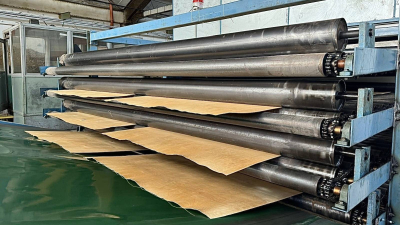
A roller dryer moves veneer sheets through heating zones using rotating rollers. The sheets stay flat during transport. Continuous feeding increases production efficiency.
Main advantages include:
Continuous operation
Smooth movement of veneer sheets
Better uniform drying results
Easy adjustment of air volume
The system allows operators to control drying speed easily.
Heat Transfer and Airflow Control
Good heat transfer removes moisture evenly. Instead of overheating wood, modern systems guide hot air carefully across surfaces. Controlled airflow prevents surface damage.
Drying normally follows three stages:
Heating stage
Moisture evaporation
Stabilization stage
This gradual method protects veneer quality and reduces cracking.

Features of High Quality Veneer Drying Solutions
Factories often ask what makes drying equipment reliable. The answer lies in control and balance.
Important features include:
Multi-zone temperature control
Adjustable conveyor speed
Real-time moisture monitoring
Stable airflow circulation
Strong insulation structure
Uniform airflow helps achieve consistent drying across wide sheets. Even drying improves appearance and strength.
We design systems to avoid hot spots. Balanced airflow keeps every sheet drying at the same rate.
Energy Efficiency and Cost Savings
Smarter Drying Technology
Energy costs continue to rise. Therefore, energy efficiency becomes essential. Modern drying technology reduces waste by reusing heat.
Heat recovery systems recycle hot air inside the dryer. This design lowers fuel consumption by 20–35%. Factories save money while maintaining output.
Automatic temperature control also helps. The system supplies only the heat needed at each stage.
Using Biomass Energy
Many woodworking plants produce wood waste daily. Chips and bark can become fuel for drying systems. Biomass heating lowers operating costs and supports sustainable production.
Benefits include:
Lower fuel expenses
Reduced emissions
Stable heating performance
Better environmental image
Turning waste into energy makes production more efficient.
Achieving Uniform Drying Results
Uniform drying depends on accurate parameter control. Even small temperature differences cause defects. We carefully design airflow paths to maintain balance.
Operators usually control:
Temperature: 140–180°C
Air velocity: 8–15 m/s
Conveyor speed
Moisture level feedback
When settings match material conditions, dryed veneer leaves the dryer flat and smooth. Reject rates drop noticeably.

Benefits for Furniture Makers and Interior Designers
High quality drying improves downstream production. Furniture factories experience fewer problems during pressing and coating.
Common benefits include:
Stronger glue bonding
Less sanding work
Better paint finish
Stable dimensions
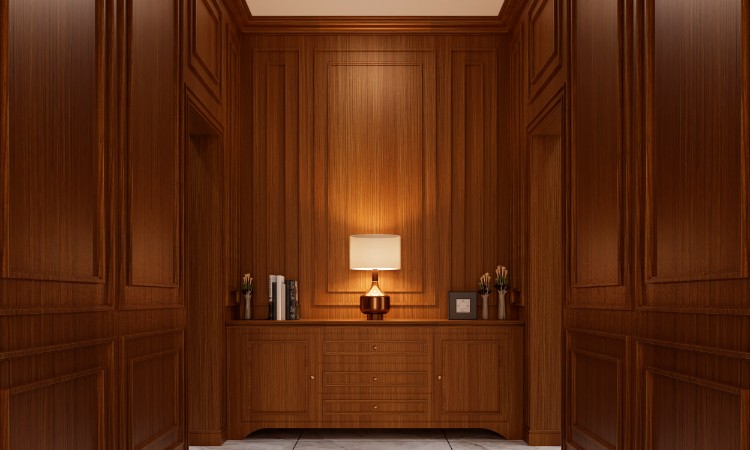
Interior designers prefer stable wood veneer because it performs reliably in real projects. Smooth surfaces allow creative designs without material failure.
Choosing the Right Drying Equipment
Selecting equipment requires careful planning. We suggest evaluating real factory needs before purchasing.
Key factors include:
Veneer thickness range
Production capacity
Available fuel type
Factory layout
Target moisture content
Testing actual veneer sheets before installation helps avoid mistakes. Real materials always provide the best evaluation.
Maintenance for Long-Term Performance
Regular maintenance keeps drying stable. Simple routines prevent unexpected downtime.
Recommended actions:
Clean airflow channels regularly
Check roller alignment
Inspect sensors monthly
Monitor burner efficiency
Calibrate moisture meters
Proper care ensures long service life and stable veneer quality.
Future Trends in Drying Technology
Automation continues to improve veneer drying solutions. Smart systems already adjust parameters automatically. Future equipment may predict drying needs using data analysis.
Key trends include:
Intelligent control systems
Remote monitoring
Improved heat transfer design
Lower energy consumption
These improvements help factories achieve higher efficiency with less effort.

Conclusion
Drying plays a central role in veneer production. Controlled moisture removal transforms fragile peeled veneer into stable material. An efficient system improves veneer quality while reducing energy use.
With proper airflow, precise heat transfer, and smart control, manufacturers achieve reliable results. Good drying supports productivity, reduces waste, and helps woodworking businesses grow confidently.