Post-Drying Care: Maximizing Veneer Quality
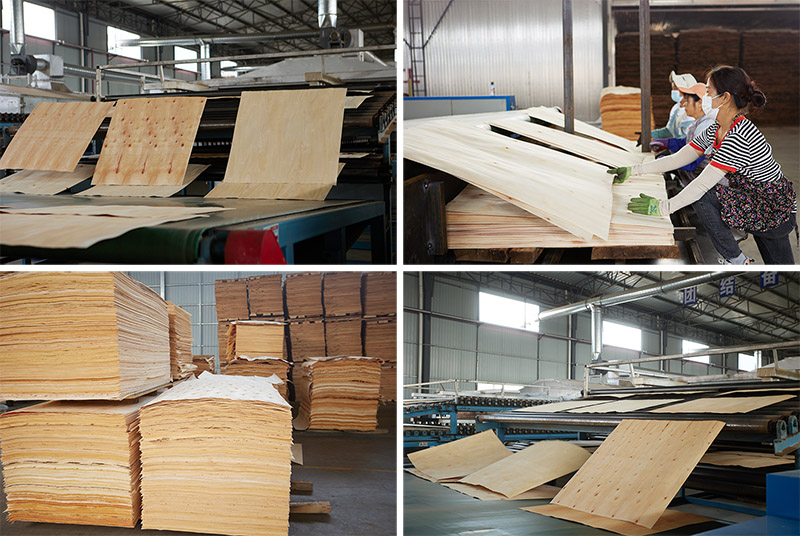
In the high-stakes world of plywood manufacturing, the role of the veneer dryer is often viewed as the final step in preparing raw wood for assembly. However, industry experts argue that what happens immediately after the veneers exit the veneer drying machine is just as critical as the drying process itself. Improper handling of hot, dry veneers can negate the energy and capital invested in the drying line, leading to warping, end-splitting, and inconsistent moisture content that ruins the final panel quality. As manufacturers push for higher grades and better yields, post-drying protocols have become a focal point for operational excellence.
The Critical Cooling and Conditioning Phase
Immediately upon exiting the veneer drying machine, the wood is in a thermally stressed state. Surface moisture can plummet to 3–5%, while the core retains latent heat and higher moisture. If these sheets are immediately stacked or exposed to ambient humidity, rapid rewetting occurs, causing surface waves and darkening. Best practices dictate a mandatory cooling buffer. Before any stacking occurs, veneers must pass through a cooling section or be laid flat in a controlled environment to allow the internal moisture gradient to equalize. This "conditioning" period ensures the wood stabilizes at a uniform 6–8% moisture content (MC), which is the sweet spot for urea-formaldehyde glues commonly used in furniture and construction plywood.
Storage Protocols to Prevent Warping
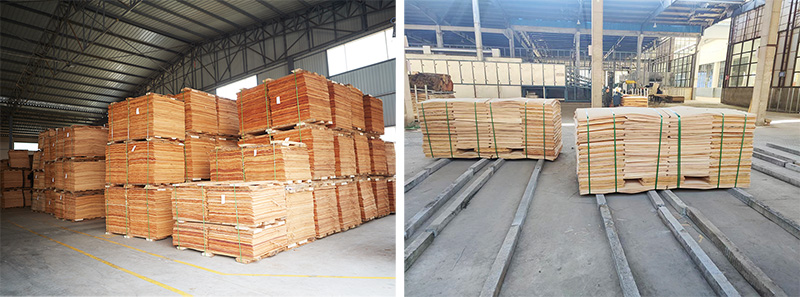
One of the most common mistakes observed in mills is the improper storage of dried veneers. After leaving the veneer dryer, the sheets are brittle and prone to curl, especially hardwoods like birch and beech. To combat this, operators must implement strict flattening procedures. Veneers should be stacked flat with heavy, uniform weights applied on top to counteract the memory of the wood fibers. Using stickers (thin strips of wood) between layers is essential not only for airflow but also to prevent the sheets from sticking together and developing mold. Under no circumstances should freshly dried veneers be stored vertically; the weight of the sheet will cause it to bow permanently.
Moisture Content Verification and Sorting
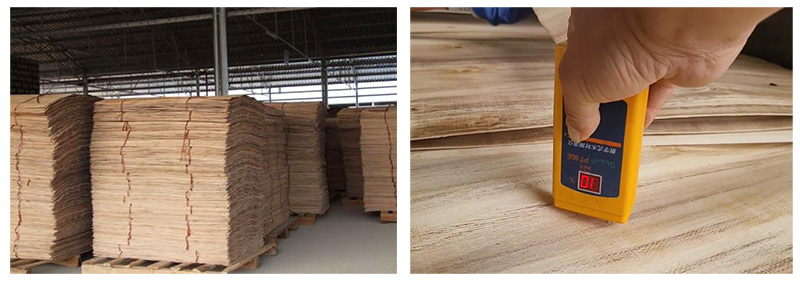
A modern veneer drying machine is a precision instrument, but variations across the width of the belt can occur. Therefore, post-drying quality control is non-negotiable. Operators must use pin-type moisture meters to check multiple points on the sheet—edges, center, and ends. The goal is to maintain a variance of less than 1–2% across the sheet. Sheets that are too dry (<4% MC) risk scorching during hot pressing, while those too wet (>12% MC) will lead to blisters and poor adhesion. Effective sorting at this stage allows mills to route veneers to appropriate uses, saving the flattest, most uniform sheets for face grades and using slightly imperfect ones for core stock.
Preventing End-Splitting and Surface Damage
Thermal shock causes micro-fissures at the ends of veneers. To mitigate this, many advanced mills apply a light mist of water or use edge-banding tape immediately after the veneer dryer discharges the sheets. This "end-sealing" prevents the rapid moisture loss that leads to cracks propagating inward during handling. Furthermore, the handling equipment itself—conveyors, vacuum lifts, and forklifts—must be maintained to avoid snagging or dragging the delicate sheets, which can cause edge damage that translates into defects in the final plywood.
Integration with the Production Line
The efficiency of the veneer drying machine is maximized only when it is integrated into a seamless workflow. Dried veneers should move directly into a conditioning warehouse with controlled temperature and humidity (20–25°C, RH 40–60%). This environment allows the wood to acclimate to the factory conditions before it meets the glue spreader. Skipping this step often results in "spring-back" during lay-up, where the veneer refuses to lie flat, slowing down the entire production line.
Conclusion
Investing in a high-capacity veneer dryer is only half the battle. The subsequent handling—cooling, flattening, moisture verification, and acclimatization—determines whether the drying investment pays off. By implementing rigorous post-drying care, plywood manufacturers can significantly reduce reject rates, improve glue bond strength, and ultimately deliver a superior product to the market. In an industry where margins are thin, mastering the art of post-drying handling is not just good practice; it is a competitive necessity.