Mesh Belt Dryer: Key to Quality Face Veneer
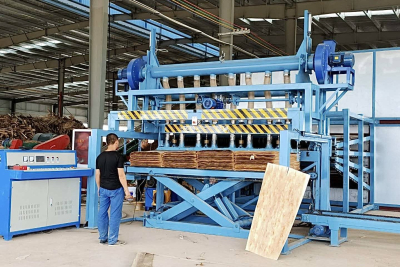
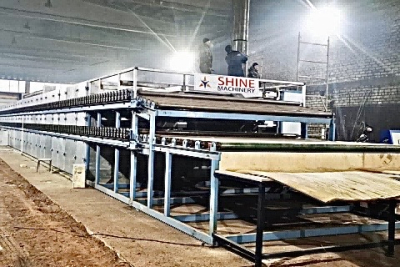
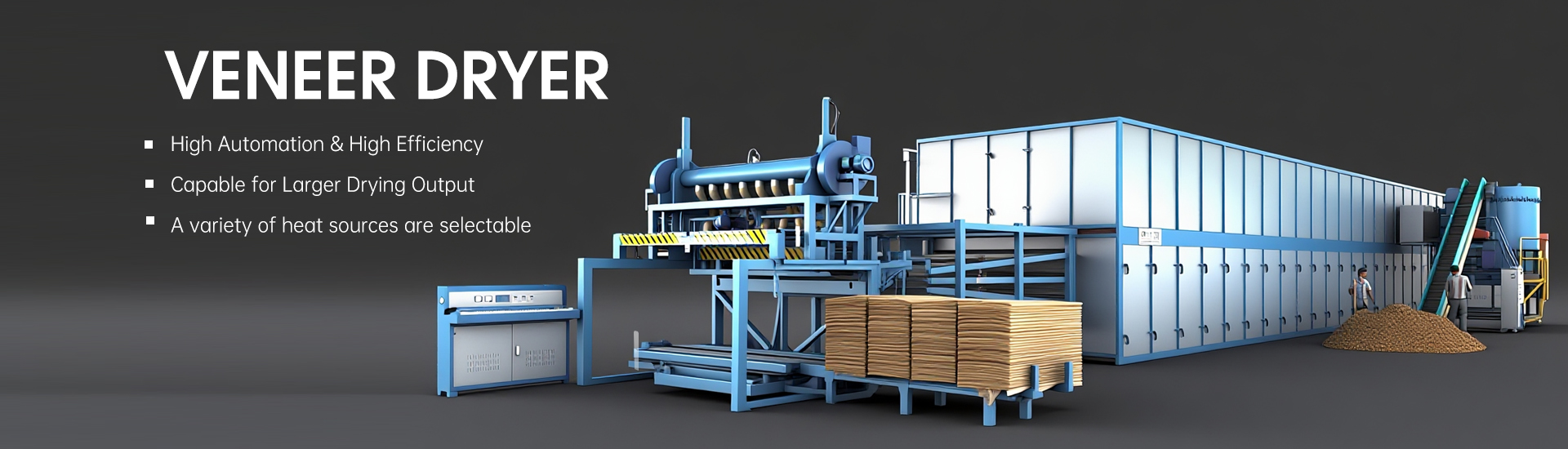
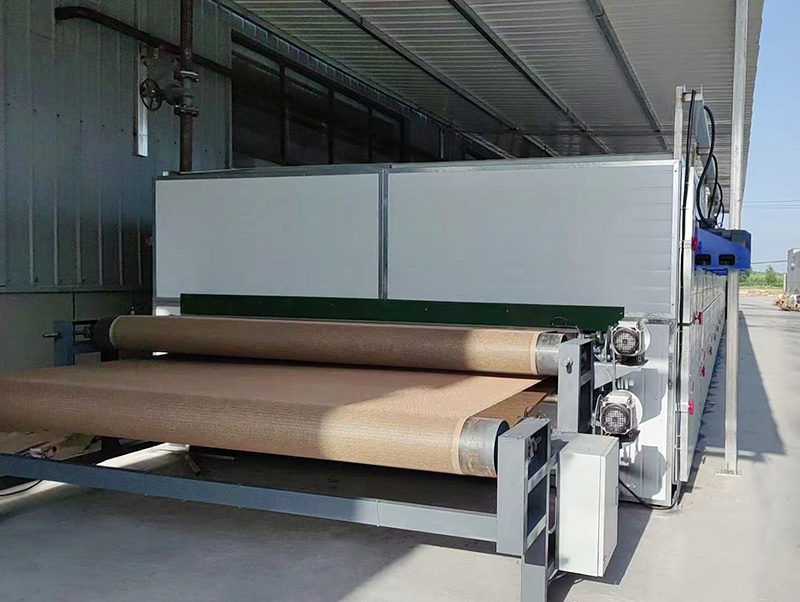
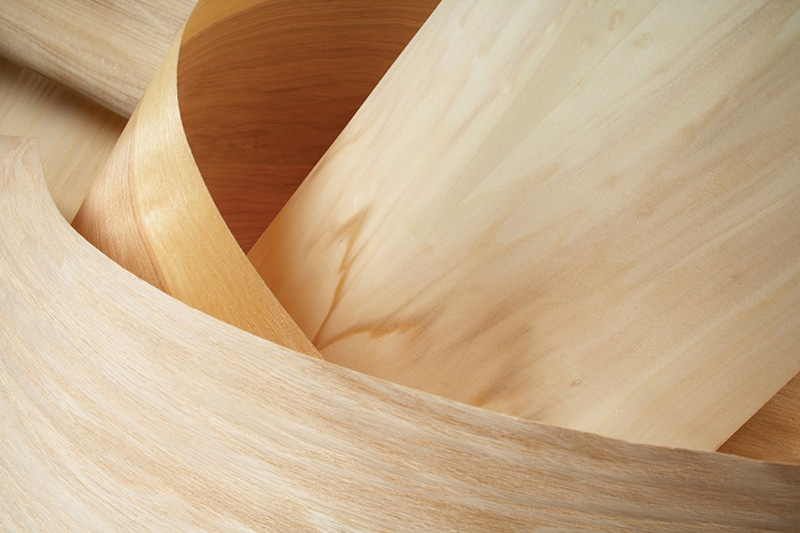
In the world of plywood and decorative wood products, the quality of the surface layer is paramount. This is where the mesh belt veneer dryer, often referred to specifically as a face veneer dryer, becomes a cornerstone of modern production. This specialized equipment is engineered to handle the delicate task of drying thin wood veneers—typically under 0.8mm—which are later used as the visible face of furniture, cabinetry, and high-grade panels. Unlike bulkier dryers for core stock, the mesh belt veneer dryer operates on a principle of gentle, continuous conveyance, ensuring the fragile sheets emerge flat, stable, and ready for finishing.
Why a Specialized Dryer for Thin Veneer?
The process of veneer sheet drying for face applications is a high-stakes operation. These thin layers, often sliced from precious species like oak, walnut, or maple, are highly susceptible to warping, cracking, and discoloration if dried incorrectly. Traditional drying methods can cause uneven moisture removal, leading to internal stresses that ruin the material's aesthetic and structural value. The face veneer dryer solves this by providing a controlled environment where temperature, airflow, and transit time are precisely calibrated. The goal is not just to remove water, but to preserve the natural color and grain integrity of the wood, which is critical for its final decorative appeal.
How the Mesh Belt System Works
The defining feature of this machine is its namesake: the mesh belt. The veneer sheets are gently placed onto a continuously moving wire belt, which carries them through a series of heated chambers. The open mesh design is crucial—it allows hot air to circulate uniformly on both sides of the sheet, promoting even drying without "case hardening" (where the outside dries too fast and traps moisture inside). This is a significant advantage in veneer sheet drying over solid-belt systems. As the material progresses through the dryer, it passes through different thermal zones, each designed for a specific phase of the drying curve, from initial moisture evaporation to final conditioning.
Selecting the Right Belt Material for the Job
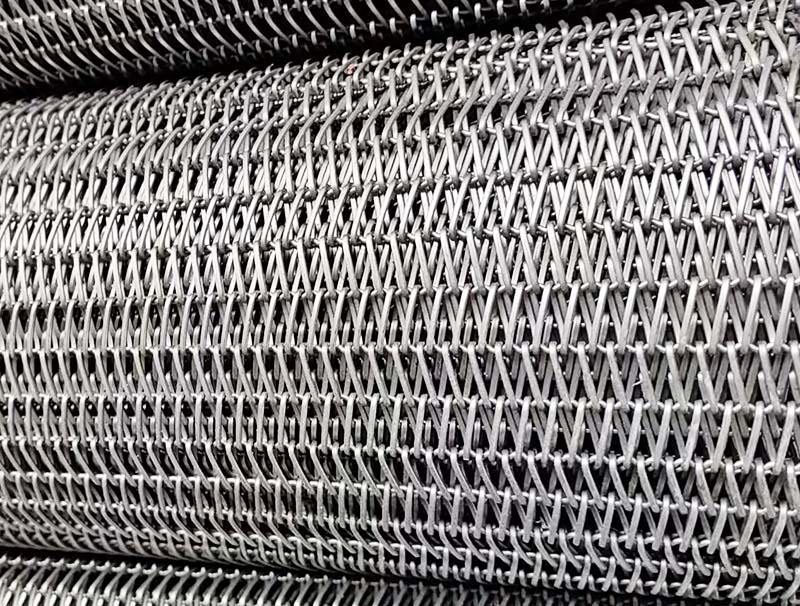
Not all belts are created equal, and the choice of material in a mesh belt veneer dryer is directly tied to the value of the product being processed. For standard utility veneers, a galvanized steel belt may suffice. However, for high-value face veneers, manufacturers often opt for superior materials. Stainless steel belts are common for species like red oak or ash, as they resist corrosion and prevent rust stains from contaminating the light-colored wood. In some advanced face veneer dryer setups, Teflon-coated belts are used for exceptionally delicate or sticky veneers, as they offer a non-stick surface that minimizes friction and surface marking, ensuring the pristine quality of the veneer sheet drying output.
Temperature Control: The Key to Preservation
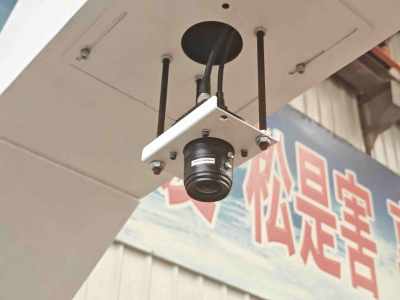
One of the most critical parameters in a mesh belt veneer dryer is temperature management. Given the thinness of the material, excessive heat can be devastating. While the upper operational limit for many dryers is around 130°C, many delicate species require much gentler treatment. For instance, certain decorative woods achieve optimal results at temperatures below 80°C. This low-and-slow approach in the face veneer dryer prevents the volatile oils and tannins in the wood from degrading, which preserves the rich color and prevents brittleness. Modern dryers use sophisticated sensors and control systems to maintain these tight temperature tolerances throughout the veneer sheet drying cycle.
Integration into the Production Line
The mesh belt veneer dryer is rarely a standalone unit; it is a vital link in the veneer sheet drying and processing chain. It is typically positioned immediately after the slicing or peeling line, where the green (wet) veneer is produced. The continuous nature of the face veneer dryer allows it to accept a steady stream of material, synchronizing with upstream and downstream equipment. After drying, the veneer is typically fed directly into clipping and stacking systems, minimizing handling and the risk of damage to the now-dry, fragile sheets. This seamless integration is essential for maintaining high throughput and quality in a modern plywood or laminated board factory.
The Bottom Line for Manufacturers
Investing in a high-quality mesh belt veneer dryer is an investment in product grade and yield. For any operation focused on producing decorative panels or high-end plywood, the face veneer dryer is not an optional luxury but a necessity. It ensures that the most valuable part of the panel—the visible surface—is flawless. By mastering the subtle art of veneer sheet drying through controlled airflow, appropriate belt selection, and precise thermal profiling, manufacturers can significantly reduce waste and enhance the marketability of their finished products. As demand for aesthetically perfect wood products grows, the role of the advanced mesh belt veneer dryer will only become more central to successful wood processing.