What Are Veneer Sheets? A Simple Guide
What Are Veneer Sheets?
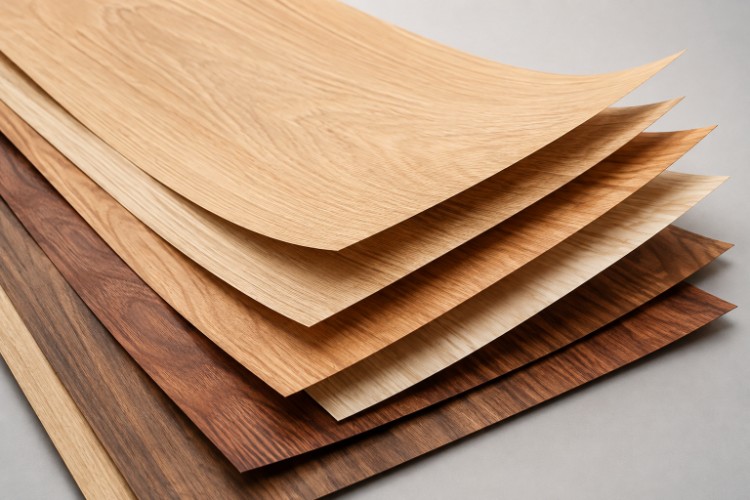
If you have ever admired a wooden cabinet, you may have admired veneer without knowing it. What Are Veneer Sheets? They are thin sheets made from real wood or engineered wood materials. Manufacturers cut logs or flitches into a thin layer, then dry, grade, join, and prepare the sheets for use.
We see veneer sheets in furniture, doors, cabinets, wall panels, and plywood. A typical veneer can measure around 0.5–3.0 mm thick, depending on its purpose.
Why Use Veneer Sheets?
Veneer uses less valuable material while preserving the natural appearance of wood. It also lets manufacturers use attractive species more efficiently. For us, that balance between beauty, efficiency, and resource use makes veneer fascinating.
How Wood Veneer Becomes Sheets
Manufacturers start with suitable logs and choose the cutting method carefully. Rotary cutting peels continuous thin slices of wood from a rotating log. Slicing cuts a flitch with a stationary knife and creates distinctive grain patterns.
After cutting, wet veneer still contains substantial moisture. Therefore, drying veneer becomes a critical production step. Proper veneer drying improves stability and prepares the material for gluing or further processing.
The Role of the Drying Process
The drying process must remove moisture without damaging the sheet. Excessive drying can make veneer brittle, while insufficient drying can cause bonding problems. USDA guidance notes that decorative face veneer often reaches around 8–10% moisture content.
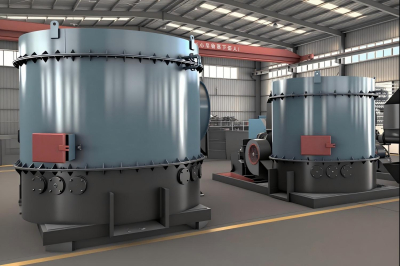
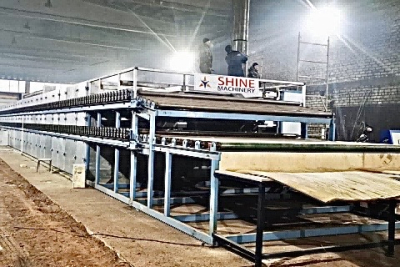
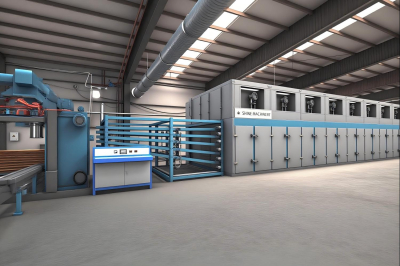
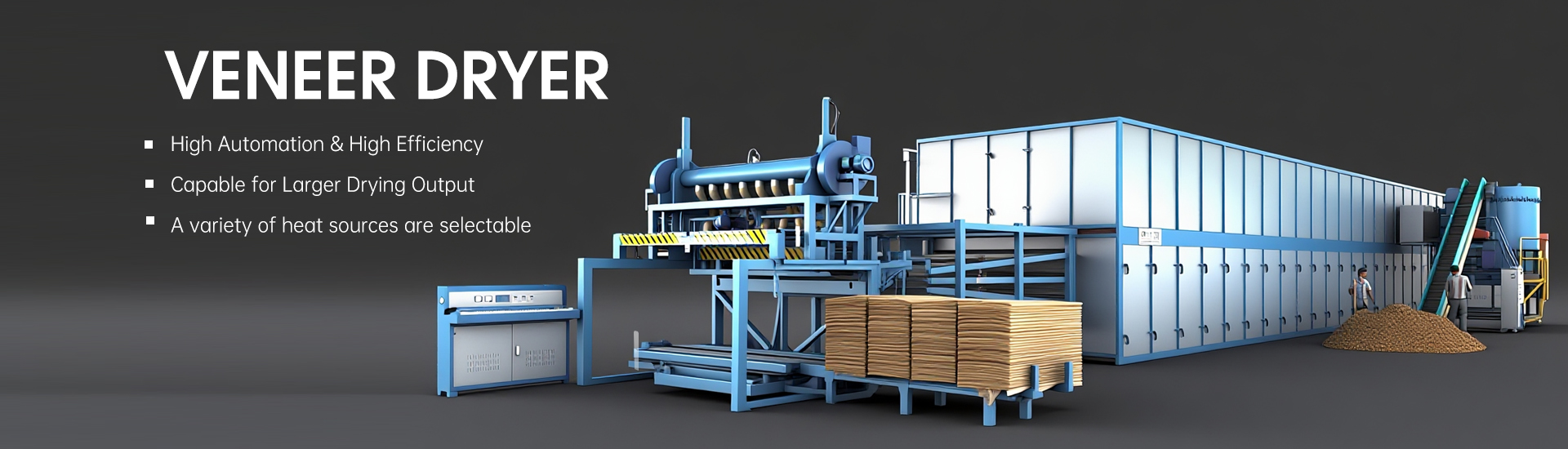
We pay close attention to this stage because moisture variation can quickly become an expensive headache. A modern wood veneer dryer helps control temperature, humidity, and drying time. Industrial systems can also improve energy efficiency and product consistency.
Common Types of Veneer
The market includes several types of veneer, and each serves a different purpose. Natural wood veneer comes directly from real timber. Manufacturers also produce engineered options when customers need more uniform colors or patterns.
Common choices include:
Natural veneer
Face veneer
Decorative veneer
Reconstituted veneer
Paper backed veneer
Rotary-cut veneer
Sliced veneer
Natural and Reconstituted Veneer
Natural veneer highlights the original character of each tree. Knots, grain direction, color changes, and growth patterns create a unique surface. Reconstituted veneer, however, rearranges natural wood elements to create more predictable designs.
Manufacturers may choose fast growing wood species for engineered veneer production. This approach can support efficient resource use while delivering consistent visual results. The final choice depends on appearance, application, cost, and performance.
What Determines Veneer Sheet Quality?
Good veneer starts with good raw material, but cutting alone does not guarantee high quality. Thickness consistency, moisture content, color, grain, cracks, splits, and surface condition all matter. Manufacturers also sort sheets according to appearance and intended application.
Understanding Veneer Grades
Different projects require different grades. A premium grade wood veneer may emphasize clean surfaces and attractive grain. Lower grades can still work well for structural layers, backs, or less visible areas.
We recommend considering these factors:
Thickness and tolerance
Moisture content
Grain pattern
Color consistency
Surface defects
Sheet dimensions
Intended application
In short, “best” does not always mean “most expensive.” The right grade should match the job.
Paper Backing and Decorative Uses
Paper backed veneer adds a stabilizing layer behind the wood. This backing improves handling and flexibility during installation. Manufacturers commonly use backed sheets for cabinets, furniture, architectural millwork, and curved surfaces.
Why Decorative Veneer Matters
Decorative veneer brings natural wood character to engineered panels and furniture surfaces. It can create premium visual effects without using solid timber throughout the product. Some suppliers offer large sheets with different backing options and wood species.
For designers, veneer is almost like nature's wallpaper—but considerably more interesting.
Why Veneer Drying Matters
After cutting, veneer must reach a suitable moisture level before later processing. A properly controlled Veneer Dryer Machine can help produce flat, stable sheets with consistent moisture. Drying conditions vary with wood species, thickness, grain direction, and the final application.
Better Drying, Better Sheets
We believe good drying should protect both quality and production efficiency. Proper air circulation and humidity control help reduce defects and improve downstream gluing. Modern systems can monitor drying conditions more precisely, reducing unnecessary energy use.
Final Thoughts
So, What Are Veneer Sheets? They are carefully processed wood sheets that combine natural beauty with efficient material use. Their quality depends on cutting, grading, backing, moisture control, and careful veneer drying.
For manufacturers, the real challenge is simple: dry the veneer enough, but not too much. Get that balance right, and a thin sheet of wood can do surprisingly big things.