What Is Decorative Wood Veneer?
Decorative wood veneer gives furniture a natural wood look without using thick solid wood. So, what is decorative wood veneer? It is a thin layer of real wood that manufacturers cut from logs and apply to a stable substrate. We love this material because it combines natural beauty, efficient wood use, and design freedom.
Unlike printed wood effects, real veneer shows genuine grain, color, and texture. Each piece of wood brings its own character. That small detail makes every finished panel slightly different.
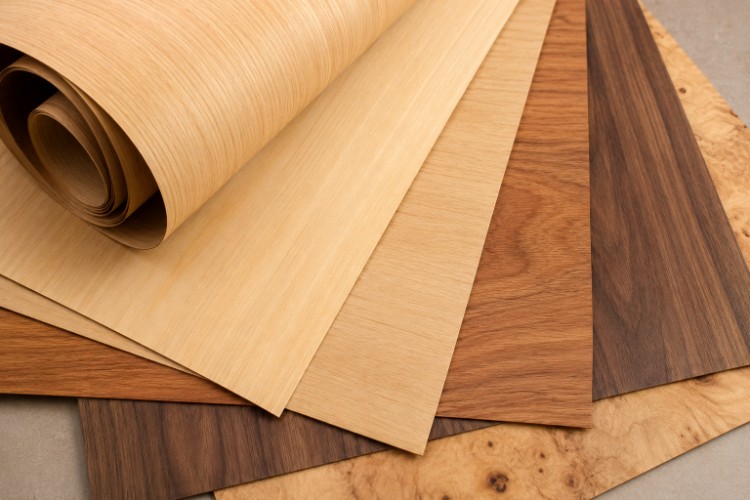
What Is Decorative Wood Veneer?
A Thin Layer of Real Wood
Decorative veneer consists of thin slices of natural wood. Manufacturers produce these slices by peeling or cutting logs into thin sheets. Depending on the cutting method, the final grain pattern can look straight, curved, striped, or highly figured.
The veneer usually covers materials such as plywood, MDF, or particle board. It creates the appearance of solid wood while using far less timber. As a result, veneer can make better use of a valuable natural resource.
Why Designers Choose Veneer
Decorative veneer works well for furniture, doors, wall panels, cabinets, and interior decoration. It also gives designers many choices in color, texture, and grain direction.
Common benefits include:
Natural wood appearance
Wide choice of wood species
Flexible grain designs
Efficient use of timber
Easy matching between veneer sheets
Suitable for modern and classic interiors
How Is Decorative Veneer Produced?
Rotary Cut Veneer
The rotary cut method peels a log around its center. Think of peeling an enormous wooden roll. This process produces wide sheets and offers excellent material yield.
Rotary cut veneer often creates broad and repeating grain patterns. Manufacturers commonly use it for plywood and other large panels.
Sliced and Rift Cut Veneer
Manufacturers also produce cut veneers by slicing the log into thin sections. Plain slicing can create attractive cathedral patterns, while quarter slicing produces straighter grain.
Rift cut veneer creates a more linear appearance. It works especially well when designers want a clean and modern veneer surface.
Why the Drying Process Matters
Moisture Control Protects Quality
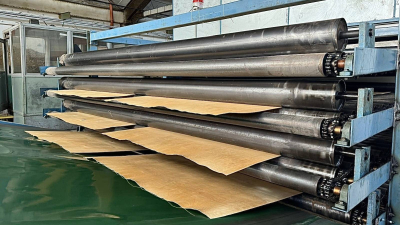
Fresh veneer contains significant moisture after cutting. Manufacturers must control that moisture before further processing. Otherwise, veneer may warp, crack, shrink, or develop bonding problems.
A controlled drying process helps create stable dry veneer. It also prepares the material for later gluing and pressing operations. Industrial drying systems carefully manage heat, airflow, and moisture removal.
The Role of a Wood Veneer Dryer
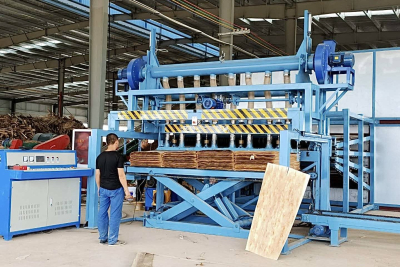
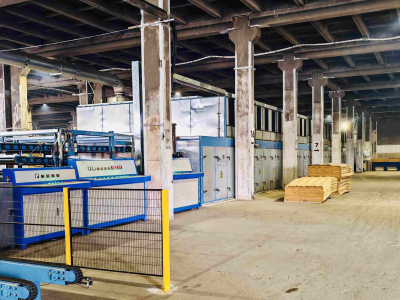
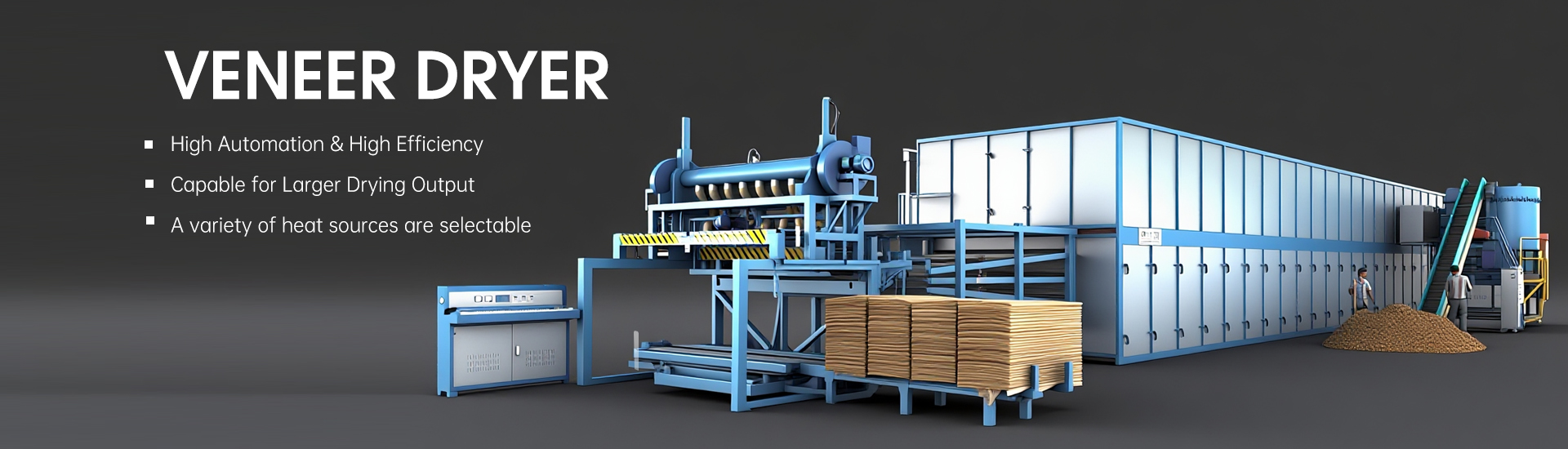
A modern wood veneer dryer helps manufacturers achieve consistent moisture levels across large quantities of thin veneer. This consistency matters because uneven moisture can affect later production.
For high-volume veneer production, drying speed alone is not enough. We focus on stable temperature, efficient airflow, and uniform heat transfer. The goal is simple: produce high quality veneer without wasting energy.
Types of Veneers and Grain Patterns
Choosing the Right Cut
There are several important types of veneers, and each cutting method creates a different visual effect.
Cutting methodTypical appearanceRotary cutBroad, repeating grainPlain slicedCathedral or natural flowing grainQuarter slicedStraight, vertical grainRift cutFine, straight grainBurl cutSwirling and irregular figure
The choice depends on the design goal. A dramatic table may need strong figure, while an office wall may benefit from calm, straight grain.
What Is Book Matching?
Creating a Mirror Image
Book matching places consecutive veneer leaves beside each other. The manufacturer flips every second leaf, creating a mirror-like pattern. The result resembles an open book.
This technique can make a simple panel look surprisingly luxurious. It works particularly well with expressive wood species and strong grain patterns.
Other matching methods include:
Slip matching
Random matching
Reverse slip matching
End matching
Herringbone matching
Each method changes the visual rhythm of the veneer surface.
Decorative Veneer vs. Solid Wood
Decorative veneer does not replace solid wood in every application. However, it offers several practical advantages for large surfaces.
Solid wood requires thicker sections of valuable timber. Veneer uses thin layers while keeping the visible beauty of real wood. Manufacturers can therefore create large decorative surfaces with less material.
We also like veneer because it offers greater design flexibility. Carefully selected leaves can create balanced patterns across doors, cabinets, and wall panels.
Final Thoughts
Decorative wood veneer turns thin slices of timber into beautiful architectural surfaces. Its appearance depends on the wood species, cutting method, drying process, and matching technique.
For us, the veneer dryer remains an important part of modern veneer production. Good drying helps protect quality before the veneer reaches pressing and finishing stages.
If you want stable, attractive veneer sheets, every production step matters. From log selection to drying, small details can make a big difference.