What Wood Species Are Used for Veneer?
When we talk about wood veneers, the species often steals the show. Each species brings its own color, texture, strength, and personality. Some create calm, straight grain, while others deliver dramatic figures that grab attention instantly. For us, choosing the right species also means understanding its drying behavior.
The answer to What Wood Species Are Used for Veneer includes both hardwoods and softwoods. Oak, walnut, maple, cherry, mahogany, birch, and beech remain popular choices. Exotic species can also create striking surfaces for luxury projects. However, beautiful logs alone cannot guarantee high quality veneer.
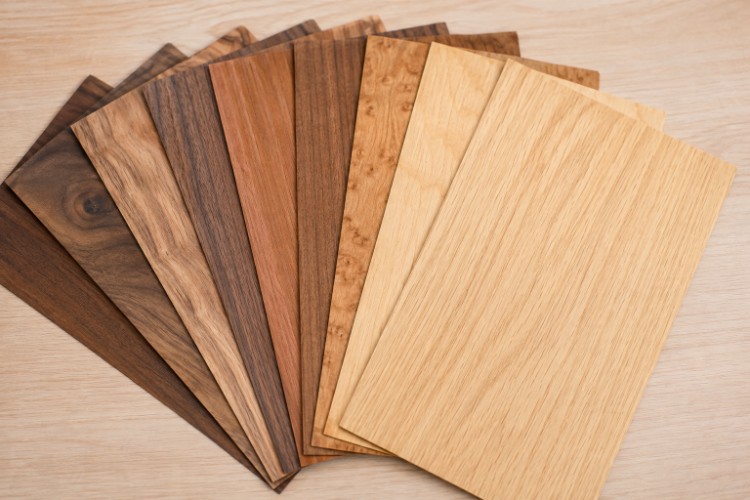
Popular Wood Species for Veneer
Oak: Strong Grain and Classic Appeal
Oak remains one of the most widely recognized wood species for veneer. It offers visible grain patterns, good durability, and a familiar appearance. White oak often shows attractive rays and strong figure, especially with quarter slicing. Red oak provides warmer tones and a more pronounced grain.
We often see oak veneer in cabinetry, doors, wall panels, and fine furniture. It works equally well with traditional and contemporary designs.
Walnut: Rich Color and Elegant Figure
Walnut brings deeper brown colors and naturally attractive figure. Its grain usually runs straight, although some boards show waves or curls. Designers often choose walnut when they want warmth without excessive visual noise.
Walnut veneer can make an ordinary cabinet look considerably more expensive. That little trick never gets old.
Maple: Clean, Bright, and Versatile
Maple offers a light background with a clean appearance. Hard maple commonly produces a fine texture and straight grain. Some maple logs also develop curly, quilted, or birdseye figures.
This versatility makes maple useful for furniture, cabinets, doors, and musical instruments. Its lighter color also works well in modern interiors.
Exotic Species Add Visual Drama
Mahogany and Teak
Mahogany offers warm reddish-brown tones and relatively consistent grain. It suits furniture, doors, architectural panels, and decorative surfaces. Teak provides golden-brown color and can contain distinctive grain variations.
Teak also contains natural oil, which affects processing and finishing. Therefore, manufacturers must consider the species before selecting cutting and drying veneer settings.
Cherry and Birch
Cherry develops a warm reddish tone that can deepen over time. Its smooth texture makes it popular for furniture and interior cabinetry. Birch provides a lighter appearance and relatively uniform texture.
Both species can produce attractive veneer sheets for commercial and residential applications. Their different appearances give designers plenty of room to experiment.
Grain Patterns Decide the Visual Effect
Straight Grain Creates a Calm Look
Many buyers prefer straight grain because it looks clean and organized. Sliced veneer can emphasize long, consistent grain lines. This appearance works particularly well on doors, cabinets, tables, and wall panels.
Interlocked Grain Creates Character
Some species develop interlocked grain, which creates changing light and dark effects. The grain can look almost three-dimensional under different lighting. This feature makes certain veneers highly desirable for decorative applications.
We always recommend matching the cutting method with the desired figure. After all, the log already has a personality. Our job is not to ruin it.
Why Veneer Drying Matters
Wet Veneers Need Careful Moisture Control
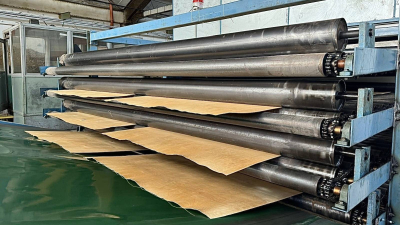
Freshly cut wet veneers contain significant moisture. Manufacturers must control the moisture content during the drying process. Poor control can cause cracks, warping, discoloration, or uneven final moisture.
Wood naturally exchanges moisture with surrounding air. Therefore, manufacturers must consider both drying conditions and later storage conditions.
Species Change the Drying Requirements
Different wood species do not dry at exactly the same rate. Density, structure, extractives, thickness, and initial moisture all influence drying behavior. For this reason, one drying recipe cannot perfectly suit every species.
Research from the USDA Forest Products Laboratory also highlights species-related differences in wood properties and shrinkage.
Choosing the Right Dryer for Veneer
Efficient Airflow Supports Consistent Results
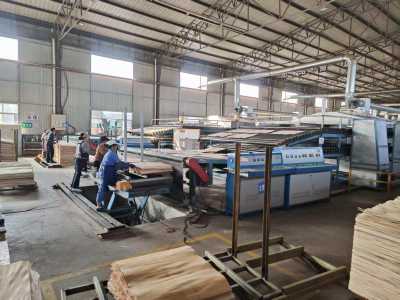
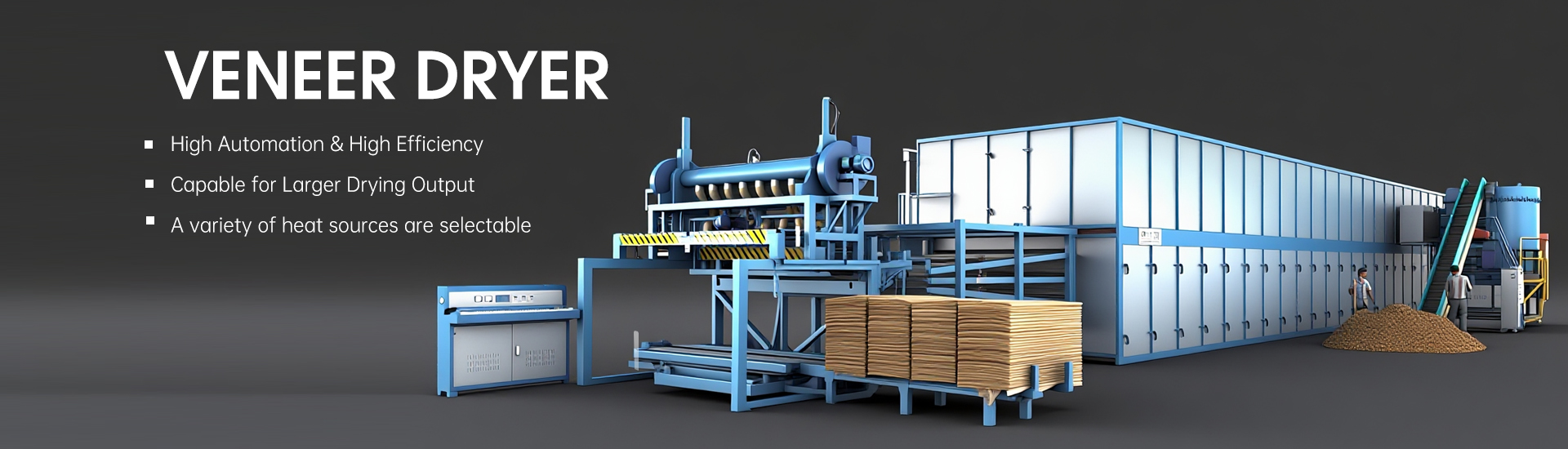
A modern wood veneer dryer must provide controlled heat and airflow. Continuous dryers commonly move veneer through several zones. Operators can adjust temperature, humidity, and air velocity to match production requirements.
This approach supports stable drying while helping reduce unnecessary energy consumption. FAO notes that veneer drying can represent around 60% of total energy consumption in plywood manufacturing.
Final Moisture Content Matters
The goal of veneer drying goes beyond removing water quickly. We need to achieve a suitable and consistent moisture level across the entire sheet. Uneven moisture can create problems during storage, gluing, pressing, and finishing.
USDA research confirms that moisture changes strongly influence dimensional stability and wood performance.
Which Species Should You Choose?
There is no single winner when selecting veneer species. Your decision should match the project's appearance, performance, processing method, and budget.
Consider these factors:
Oak: bold grain and classic appearance.
Walnut: rich color and premium furniture appeal.
Maple: clean appearance and light color.
Cherry: warm color and smooth texture.
Birch: bright appearance and uniform texture.
Mahogany: warm tones and elegant grain.
Teak: distinctive appearance and natural oil.
Exotic species: dramatic figures and luxury appeal.
We also recommend checking how each species behaves during cutting and drying. A beautiful species means little if the production line cannot process it consistently.
Final Thoughts on Veneer Wood Species
So, What Wood Species Are Used for Veneer? The list includes many familiar hardwoods and several specialty species. Oak, walnut, maple, cherry, birch, mahogany, and teak remain among the popular choices.
At Shandong Shine Machinery, we believe good veneer starts with good material selection. It then depends on accurate cutting, controlled drying veneer conditions, and careful moisture management. A reliable veneer dryer helps manufacturers turn freshly cut veneer into stable, attractive products ready for furniture and interior applications.